
Last updated October 31, 2026
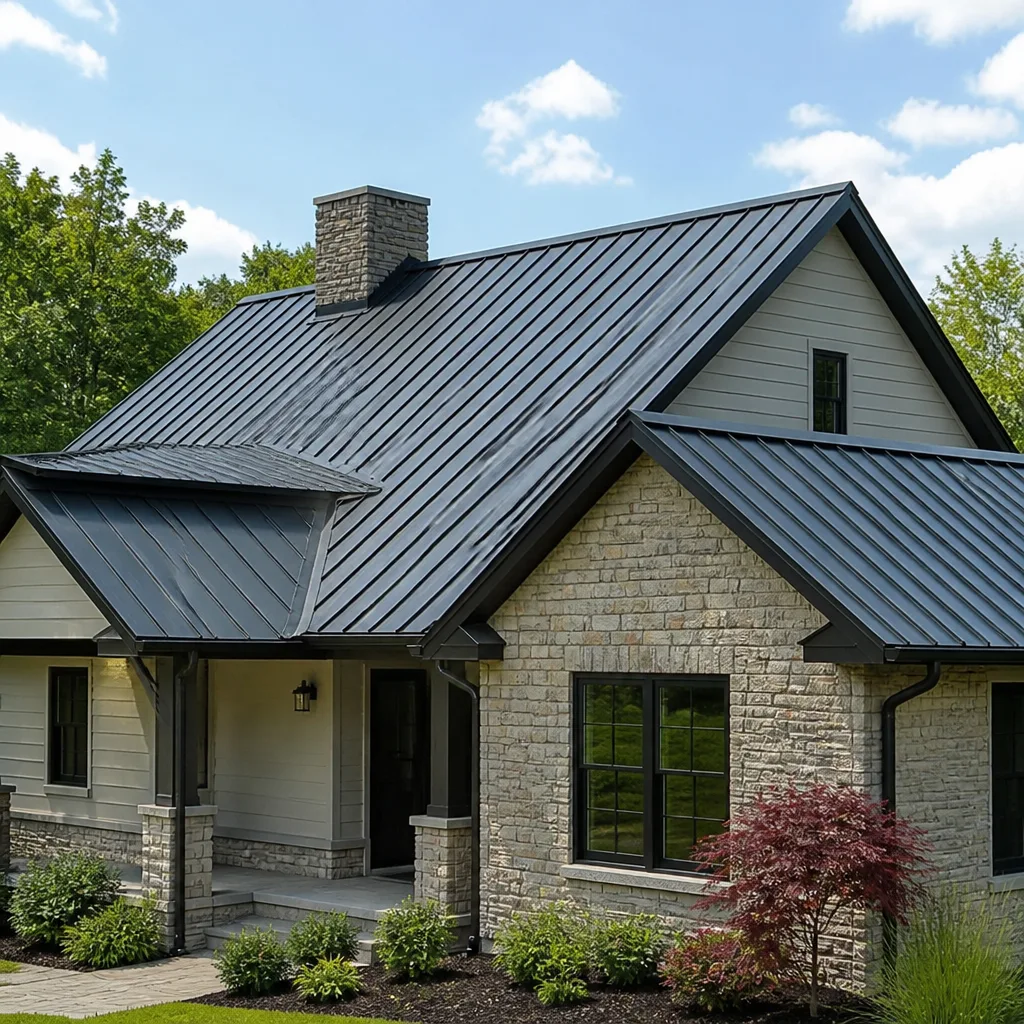 Metal roofing
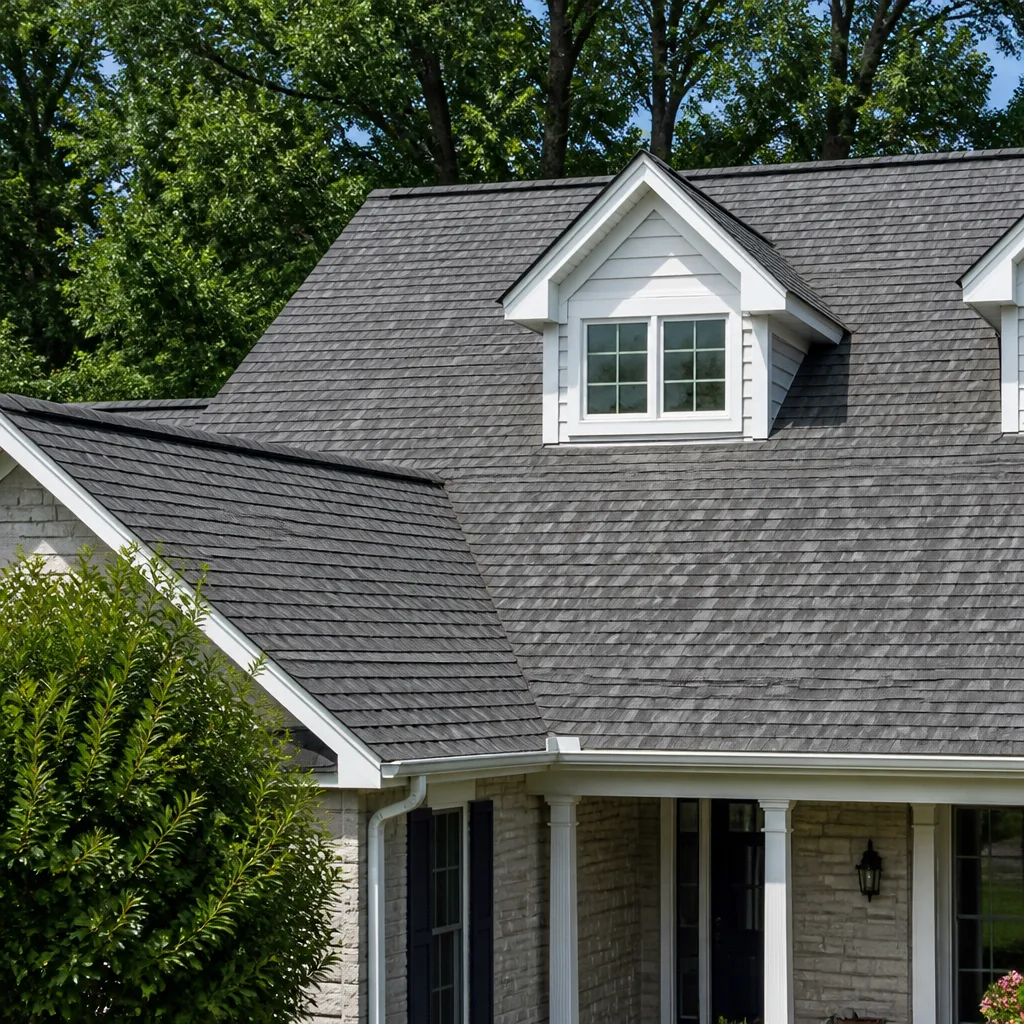 Architectural shingles
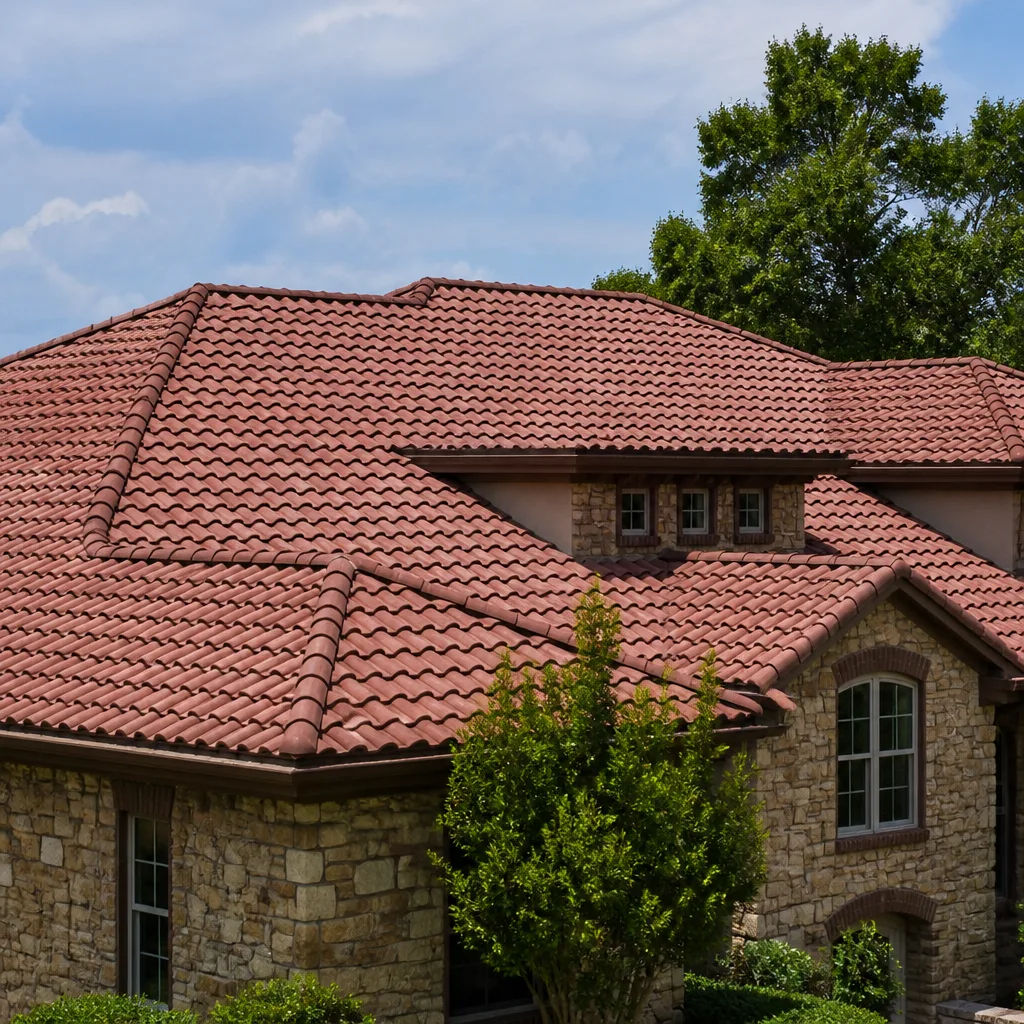 Tile roofing
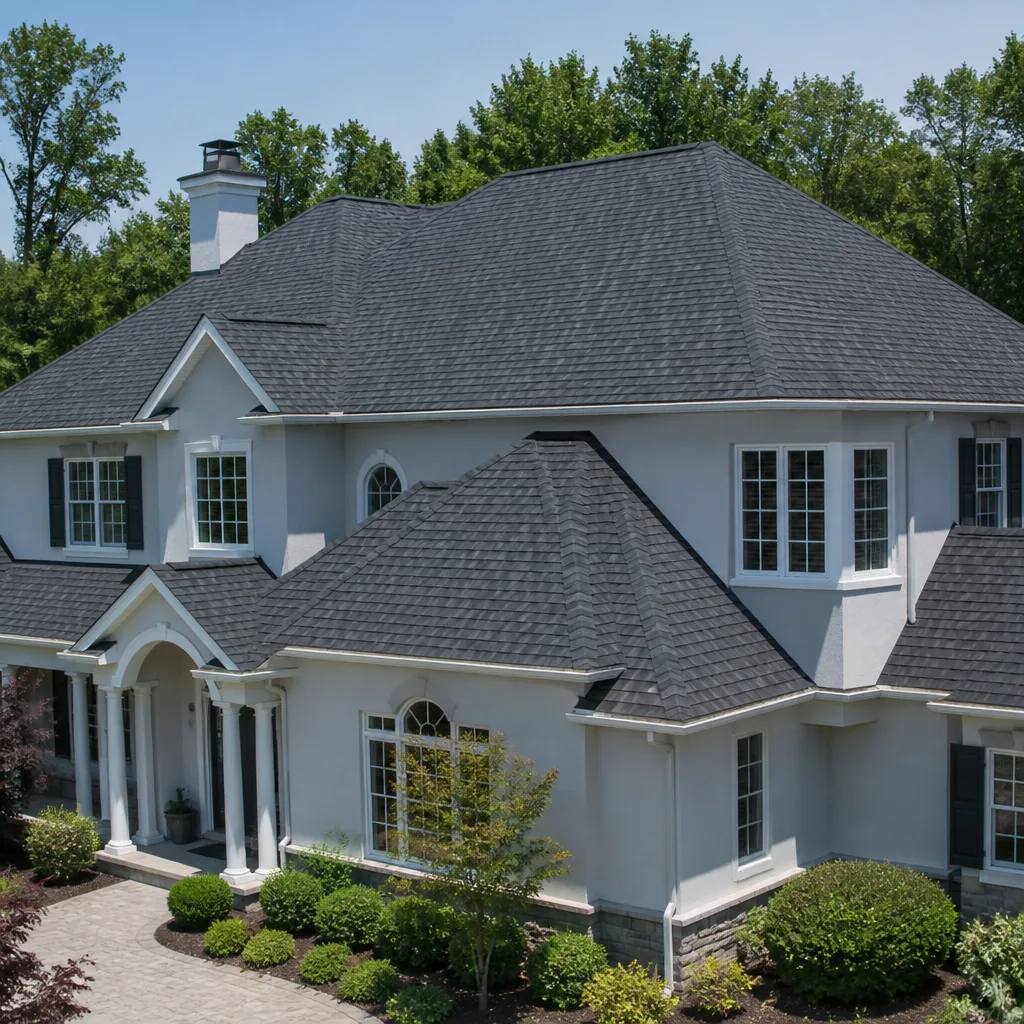 GAF
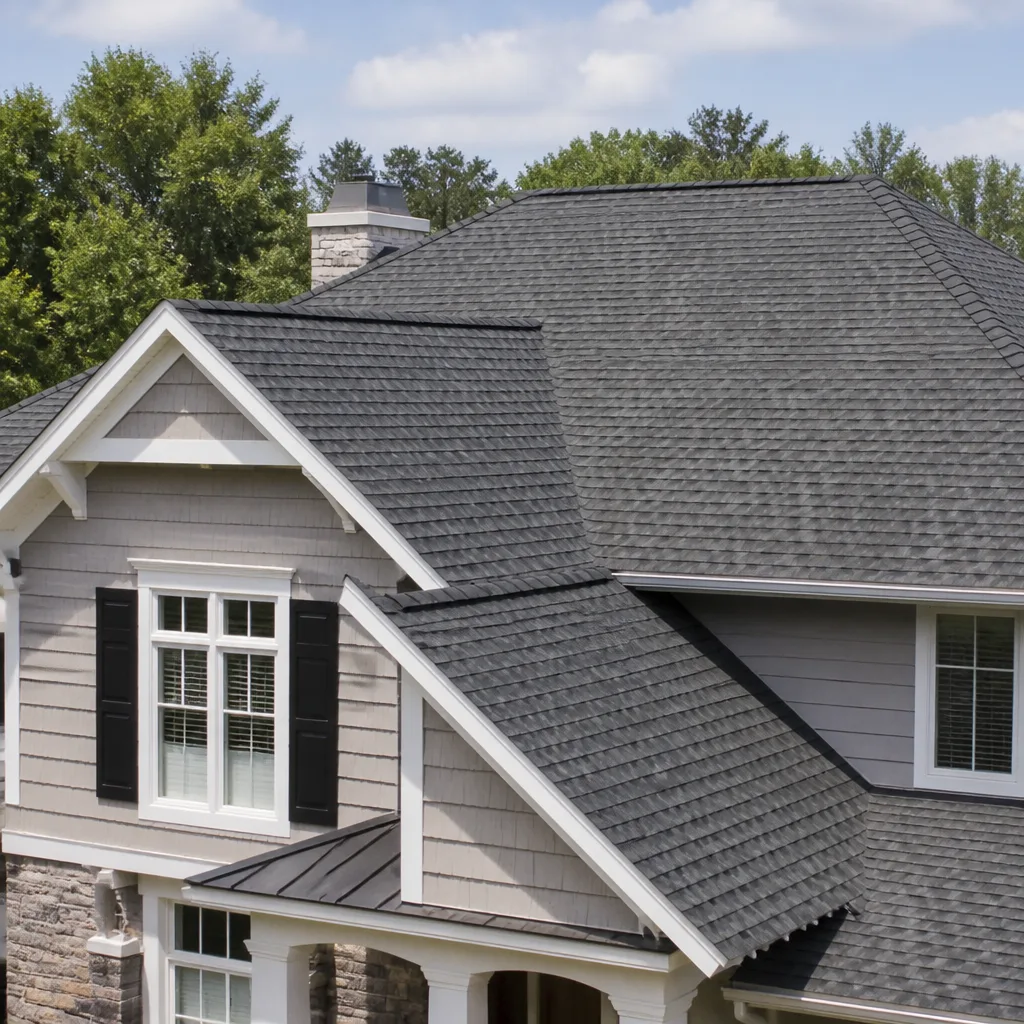 Owens Corning
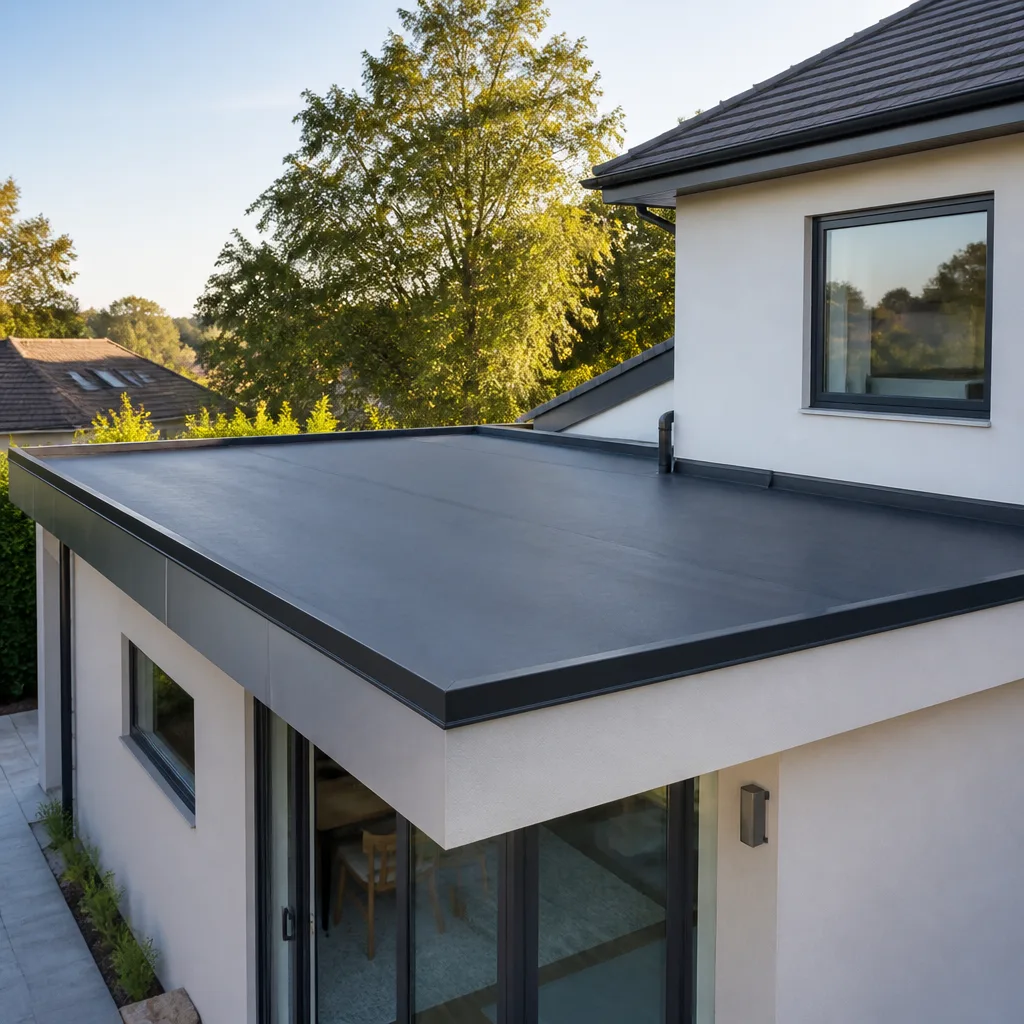 Flat & low-slope
Free roof inspection with deck photos before we talk money - GAF and Owens Corning certified installation
Roofing Permits, Codes & Inspections in CA: What You Need to Know
Pulling a permit for a re-roof in California triggers a Title 24 cool-roof compliance check that can disqualify the shingle color a homeowner already picked, and most contractors don’t mention this until after the deposit is paid. That’s the reality of roofing in this state: what seems like a straightforward replacement is actually a layered regulatory event involving state energy code, local amendments, and a sequenced inspection process that leaves no room for shortcuts. In Downey, where the housing stock ranges from 1940s bungalows to 1990s tract homes, the permit history on any given roof is often incomplete, which means today’s homeowner inherits yesterday’s compliance gaps. This guide maps the actual decision points, the thresholds that matter, and the sequencing rules that determine whether your project passes inspection the first time or stalls mid-install. You’ll learn what triggers a cool-roof requirement, when a separate fire-rating inspection applies, how the two-layer maximum is actually enforced, and why a mid-project decking inspection has to happen before underlayment goes down, not after.
Quick Answer
Every roof replacement in California requires a building permit, and most re-roofs that disturb more than 50% of the roof surface trigger Title 24 Part 6 cool-roof requirements, which mandate specific solar reflectance and thermal emittance values for the new covering. The permit process involves a plan or scope review, a mid-project inspection after the old roof is removed but before underlayment is installed, and a final inspection after the roof is complete, and failing any of these checkpoints can stop work, void manufacturer warranties, or surface as a disclosure problem when you sell. In Downey, the enforcement follows Los Angeles County’s building code amendments, which layer additional fire-rating requirements in designated zones.
Styles & brands we work with
Table of Contents
- When a Re-Roof Triggers Title 24 Cool-Roof Requirements
- Building Permits vs. Fire-Rating Inspections: What Downey Requires
- The Two-Layer Maximum and Unpermitted Layers
- Inspection Sequencing: Why Order Matters
- Permit History and Home Sales
- How Material Choice Affects Code Compliance
- What Permits and Inspections Cost in Downey
- Common Mistakes to Avoid
When a Re-Roof Triggers Title 24 Cool-Roof Requirements
Title 24, Part 6 of the California Code of Regulations is the state’s energy code, and its cool-roof provision applies to most residential re-roofs in climate zones 8 through 15. Downey sits in climate zone 8, which means any re-roof project that removes more than 50% of the existing roof covering or replaces more than 1,000 square feet of roof area triggers the cool-roof mandate. The requirement is simple in principle: the new roofing material must meet a minimum aged solar reflectance of 0.20 and a minimum thermal emittance of 0.75, or carry a Cool Roof Rating Council (CRRC) product certification that demonstrates equivalent performance. Where it gets complicated is in the material selection phase.
Asphalt shingles dominate the Downey residential market, and not every shingle color passes the reflectance threshold. Darker colors, particularly deep browns, blacks, and some charcoal blends, often fail the aged solar reflectance test, meaning the homeowner who picked a specific shingle from a sample board can face a compliance problem at plan review or, worse, at final inspection. This is where material breadth matters. A roofer who carries a single manufacturer’s line may only have two or three Title 24-compliant color options, while a contractor stocking across multiple brands can offer compliant choices from Owens Corning, IKO, Atlas, and Tamko, among others, matched to the homeowner’s aesthetic and budget. We’ve seen too many Downey homeowners pick a shingle, pay a deposit, and only then learn the color doesn’t meet code, forcing a rushed re-selection under pressure.
The thresholds are specific and worth memorizing: if the re-roof touches less than 50% of the roof area or less than 1,000 square feet, the cool-roof requirement typically doesn’t apply, though the local building official retains authority to require compliance on any scope they deem significant. Repair work that patches sections rather than re-covers the roof is generally exempt, provided the repair doesn’t expand into a re-cover of a roof plane. But in Downey, where hail damage and wind events create localized repair demand, the line between repair and re-roof gets tested regularly, and the permit office tends to err toward compliance.
Building Permits vs. Fire-Rating Inspections: What Downey Requires
The building permit and the fire-rating inspection are two separate things, and conflating them causes a disproportionate share of failed inspections in Downey. The building permit, issued through the Downey Building and Safety Division, authorizes the structural work: removing the old covering, repairing or replacing decking, installing underlayment, and fastening the new roof. The fire-rating inspection, where applicable, verifies that the new roof assembly meets the class A fire rating required by the California Building Code and any local wildland-urban interface (WUI) amendments that apply to specific Downey neighborhoods.
Downey is not a wildland-urban interface community in the way that foothill cities are, but Los Angeles County’s fire code amendments extend class A roofing requirements broadly across the county, including in Downey. Class A is the highest fire-resistance rating, and most modern asphalt shingle systems achieve it when installed over code-compliant underlayment. The inspection verifies the assembly, not just the shingle. A common error is assuming that a class A shingle automatically produces a class A roof, but the rating applies to the system, including the underlayment and any required fastening pattern. If a roofer skips the specified underlayment to save cost, the fire-rating inspection catches it, and the fix requires removing the shingles that were just installed.
For most Downey single-family homes, the building permit and the fire-rating verification happen within the same inspection sequence, not as two separate administrative events. The distinction matters because the inspection checklist differs. The building inspector checks nailing patterns, flashing details, deck condition, and ventilation; the fire code portion checks the roof covering classification and underlayment type against the approved plans. Both have to pass, and a failure in either one stops the job.
The Two-Layer Maximum and Unpermitted Layers
The California Building Code allows a maximum of two layers of roof covering on any residential structure. When a roofer proposes a re-roof, the first question should be how many layers are already on the roof, and the second question should be whether each of those layers was permitted. In Downey, where many homes were built before contemporary permit enforcement, it’s common to find a roof with two existing layers where the second layer was installed without a permit. Here’s the enforcement reality: the building inspector at the time of the re-roof will count layers when the old roof comes off, and if the existing configuration already has two layers, a full tear-off is mandatory before any new roofing goes on, regardless of what the original scope said.
The unpermitted layer problem compounds this. If a previous owner installed a second layer without a permit, that work was never inspected, which means the decking underneath was never examined for dry rot, the fastening pattern was never verified, and the underlayment between layers was never checked. When the current re-roof permit is pulled and the inspector counts two layers with no permit record for the second, two things happen: the roofer must remove everything down to the decking, and any decking damage discovered at that point becomes a change order. We’ve opened roofs in Downey’s Stonewood and Northeast Downey neighborhoods where a seemingly clean two-layer removal turned into full decking replacement because the unpermitted layer had trapped moisture against the sheathing for years. A roof inspection that examines the layer configuration before the permit is pulled, using core samples or edge lifts, prevents this surprise.
The two-layer rule has a corollary that homeowners miss: if you currently have one layer and add a second via re-cover, that’s your last roof before a full tear-off is mandatory. Re-cover saves money at the time, but it caps your future options. In a city like Downey, where long-term ownership is common and homes pass between generations, the re-cover decision made today becomes the full-tear-off cost a child inherits later. A roofer who explains this tradeoff before the work starts is doing their job; a roofer who pushes re-cover without mentioning the future implication is selling you a deliberately short-term product.
Inspection Sequencing: Why Order Matters
Roofing inspection sequencing in California follows a specific order, and the mid-project decking inspection is the checkpoint where most permit violations occur. The sequence works like this:
- Plan review and permit issuance. The contractor submits the scope of work, material specifications, and Title 24 compliance documentation (if triggered). The building official reviews and issues the permit. No work starts before this step.
- Pre-installation or initial inspection (sometimes). On tear-off projects where the decking condition is unknown, some jurisdictions allow or require a pre-inspection to document existing conditions before removal begins. Downey’s building division often waives this if the scope includes a mid-project inspection.
- Mid-project decking inspection. After the old roof covering is removed and before any new underlayment is installed, the inspector examines the exposed decking. This is the moment where dry rot, termite damage, inadequate sheathing thickness, or improper fastening gets flagged. The underlayment cannot be installed until this inspection passes.
- Underlayment and flashing installation. Once the decking inspection passes, the roofer installs the specified underlayment, drip edge, valley metal, and flashing. On some projects, particularly those with fire-rating requirements, the inspector may want to see the underlayment before the shingles cover it.
- Final inspection. The completed roof is inspected for nailing pattern, shingle alignment, ventilation, flashing details, and Title 24 compliance if applicable. Only after this passes is the project complete and the permit closed.
The mid-project inspection is the one that catches both homeowners and roofers off guard if the project wasn’t scheduled around it. The inspector has to be called after the tear-off but before the underlayment goes down, which means the roofer’s schedule has to include a wait window. Roofers who race ahead and install underlayment before the inspection force a hold, and on some Downey projects, inspectors have required partial underlayment removal to verify the decking underneath. The cost of that rework lands on the roofer, but the delay lands on the homeowner. A roofing contractor who handles this sequencing as part of their standard process, rather than as an afterthought, passes inspection faster and with fewer change orders.
Permit History and Home Sales
Unpermitted roof work shows up in disclosure paperwork, and it happens more often than most Downey sellers expect. The California statutory seller disclosure forms, specifically the Transfer Disclosure Statement and the Supplemental Statutory Disclosure, ask directly about any work performed without permits, and roofing is one of the categories most frequently flagged by buyers and their inspectors. A home inspector who finds evidence of a newer roof but no matching permit record will flag it in the inspection report, and the buyer’s lender may require a retroactive permit or a clearance letter before funding.
The retroactive permit process is a specific pain point in Downey. The building division can issue a permit for existing work, but the process requires an inspection of the completed roof, and that inspection is limited to what’s visible. If the underlayment or decking installation can’t be verified because the roof is already covered, the inspector can’t approve those hidden elements, and the permit may be issued with conditions, or the roof may need partial opening to verify the assembly. This is the hidden cost of unpermitted work: the seller who saved a few hundred dollars on a permit ten years ago now faces a partial roof disassembly or a price concession at closing. For buyers, the lesson is to request permit history on the roof as part of the purchase investigation, not after closing. For sellers in Downey, pulling the permit history before listing and addressing any gaps proactively is cheaper than negotiating under a buyer inspection contingency.
A clean permit record also preserves warranty value. Most shingle manufacturers, including Owens Corning, IKO, Atlas, and Tamko, structure their material warranties on the assumption of code-compliant installation. If a roof was installed without a permit and the installation details can’t be verified, a future warranty claim becomes harder to substantiate. The warranty isn’t automatically voided by the missing permit, but the absence of an inspection record weakens the claim. Enhanced warranty programs that cover labor and materials for extended periods typically require permit documentation as part of the enrollment package.
How Material Choice Affects Code Compliance
Material selection is a code compliance decision, not just an aesthetic one, and this is where a multi-brand roofing contractor changes the homeowner’s options. The Title 24 cool-roof requirement, where it applies, filters shingle choices by solar reflectance and thermal emittance. The class A fire rating requirement filters the assembly by underlayment compatibility and fastening pattern. The local Downey amendments may add specific ventilation requirements that interact with the shingle profile. Each of these filters narrows the field of viable products, and a roofer who only carries one manufacturer’s line has a smaller field to draw from.
Across the brands Seacrest Roofing stocks, the compliant color range varies. Certain manufacturers have developed cool-roof-eligible color lines with higher reflectance values, including shades that read as dark while still passing the threshold through specialized granule technology. IKO’s Dynasty line, for example, includes several colors with CRRC ratings that meet Title 24 in climate zone 8, and Atlas Pinnacle Impact offers similar compliance in select colors. Tamko’s Heritage line includes mid-tone colors that pass without pushing the homeowner toward the pale aesthetics that many associate with cool roofs. Owens Corning’s Duration series includes multiple Title 24-compliant options in colors that wouldn’t obviously read as “cool roof” products.
The practical takeaway: the shingle color conversation should happen alongside the permit conversation, not after. A homeowner in Downey who wants a specific color should know before the permit is pulled whether that color will pass the Title 24 check in climate zone 8, and if it won’t, which comparable colors across which brands will. Doing this homework upfront prevents the deposit-paid-then-reselect scenario described at the top of this guide. A roofer who can pull from seven manufacturers’ compliant color charts has a much better chance of matching the homeowner’s original vision than one locked into a single brand’s palette.
What Permits and Inspections Cost in Downey
Permit costs for a residential re-roof in Downey typically run between $300 and $700, depending on the project scope and the valuation declared on the application. The City of Downey calculates permit fees based on project valuation, with a base fee plus incremental charges, and re-roof projects with Title 24 documentation may add a small plan check fee. The inspection fees are generally included in the permit cost, but re-inspection after a failed inspection carries an additional fee, typically in the $100 to $200 range per visit.
A few cost realities that homeowners should understand upfront:
- Permit costs are separate from labor and materials. Some contractors quote a “permit included” price, others itemize it. Either way, the cost is real and should never be negotiated away by skipping the permit.
- Title 24 compliance testing costs. If a cool-roof verification is required and the selected material doesn’t have a pre-verified CRRC rating in the product data, additional testing or documentation costs may apply. Most major shingle products already carry the relevant ratings, but it’s worth confirming.
- Re-inspection fees. A failed inspection costs money and time. The failures we see most often in Downey are underlayment omissions, missing flashing at transitions, and ventilation deficiencies, all of which a thorough contractor catches before the inspector arrives.
- Retroactive permit costs. If a roof was installed without a permit and you’re addressing it now, expect fees at the higher end of the range plus any required work to bring the roof into verifiable compliance.
These are line-item costs, not vague estimates. When you compare roofing quotes in Downey, ask each contractor to break out the permit cost separately, and ask what happens to the schedule and the price if the inspector requires changes. A roofer who answers both questions directly is giving you the information you need to make an apples-to-apples comparison.
Common Mistakes to Avoid
- Picking a shingle color before checking Title 24 compliance. The cool-roof reflectance threshold disqualifies many dark colors in Downey’s climate zone 8, and discovering this after the deposit means a rushed re-selection or a non-compliant roof. Check compliance before you commit to a color.
- Allowing underlayment installation before the mid-project decking inspection. The decking inspection must happen with the decking exposed. If underlayment goes down first, the inspector may require partial removal, and the job delays while the rework happens.
- Accepting a re-cover without understanding the two-layer cap. A re-cover over one existing layer locks the roof at the two-layer maximum, meaning the next replacement is a mandatory full tear-off. The immediate savings may cost more later.
- Ignoring the permit history when buying a home. If the roof was replaced without permits, the hidden assembly details can’t be verified, warranty claims get harder, and the seller’s disclosure obligations at resale become a negotiation liability.
- Assuming a class A shingle equals a class A roof. The fire rating applies to the assembly, including underlayment and fastening details. Skipping the specified underlayment to cut cost creates a fire-rating failure that requires shingle removal to fix.
- Skipping the permit because the project feels small. Even a partial re-roof that triggers the 50% rule requires a permit, and unpermitted work surfaces later in disclosures, inspections, and warranty claims. The short-term savings don’t survive the long-term scrutiny.
- Not verifying the roofer’s material options before signing. A single-brand contractor may not have a compliant color that matches your home’s aesthetic. The contract should specify the exact product and color, with a compliance check completed before work begins.
See the difference
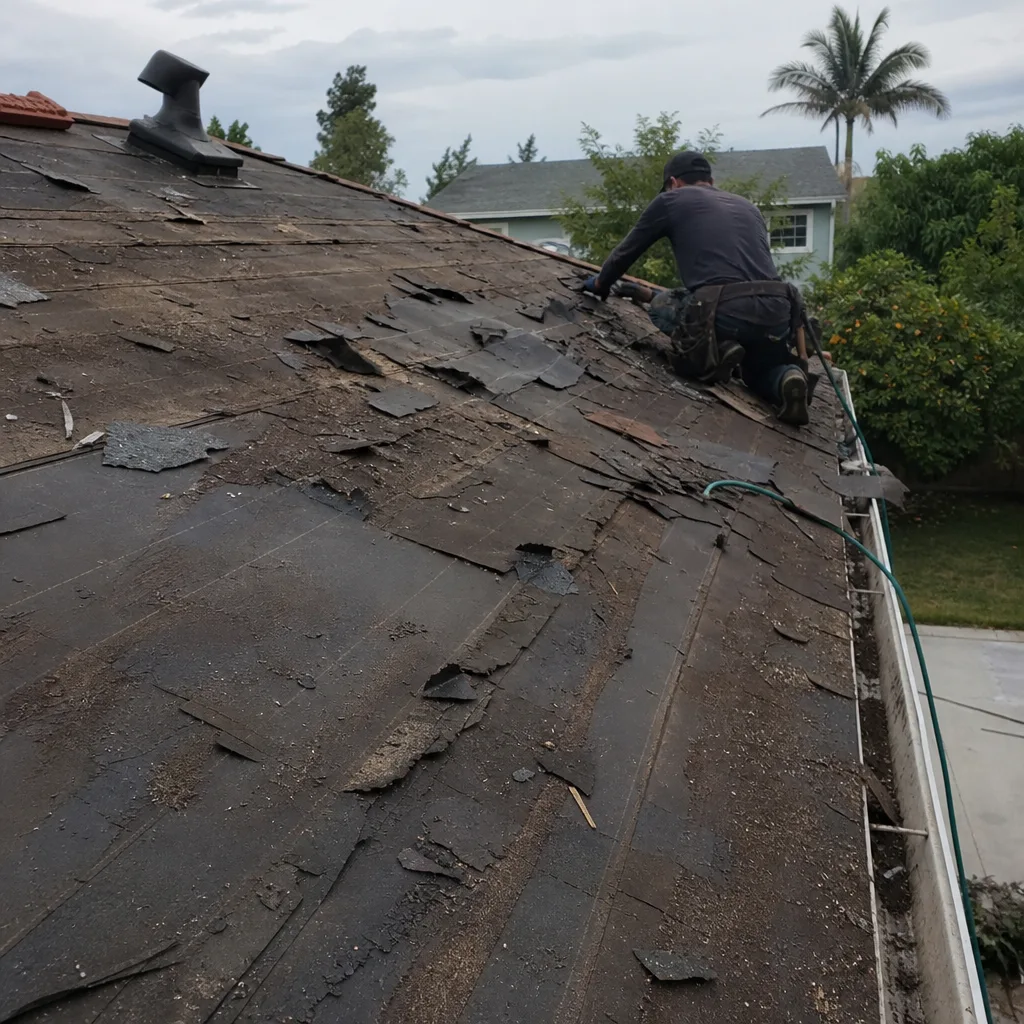 Before
 After
 Before
 After
 Before
 After
When to Call a Professional
If your roof has two existing layers and you’re not sure whether the second was permitted, call a professional before you sign anything. If you’re considering a re-cover and want to understand the long-term implication of hitting the two-layer cap, call a professional. If a home inspection flagged the roof as possibly unpermitted and you’re now in a sale negotiation, call a professional before responding to the buyer. If you’ve picked a shingle color and want to confirm it passes Title 24 in Downey before committing, a roofer with access to multiple manufacturers’ compliant color charts can answer that question in one conversation. Seacrest Roofing offers free estimates in Downey, and our inspections diagnose the roof’s actual condition first, then match the repair or replacement product to what the roof needs, not the other way around. Call (855) 597-2817 to schedule a roof inspection or discuss a permit-ready re-roof.
Frequently Asked Questions
Yes, every roof replacement in Downey requires a building permit, and a re-roof that disturbs more than 50% of the roof area also triggers Title 24 cool-roof compliance requirements under California’s climate zone 8 rules. Even partial replacements can require permits depending on scope, so check with the Downey Building and Safety Division before work begins. Call (855) 597-2817 for a free estimate that includes permit coordination.
A residential re-roof permit in Downey typically costs between $300 and $700, calculated on project valuation, with inspection fees generally included and re-inspection fees added separately if a visit fails. Title 24 plan check fees may add a small amount when cool-roof compliance is required. Call (855) 597-2817 for an exact permit cost estimate on your specific project.
Yes, if you currently have only one layer, but this re-cover hits the two-layer maximum, meaning the next replacement after this one will require a full tear-off at higher cost. If you already have two layers, even if one was unpermitted, a full tear-off is mandatory before any new roofing goes on. Call (855) 597-2817 to have your layer configuration checked before you commit.
A failed inspection stops the project, requires correction of the flagged issue, and triggers a re-inspection fee, typically $100 to $200. Common Downey failures include underlayment omissions, missing flashing at transitions, and ventilation deficiencies, all of which a thorough contractor catches before the inspector arrives. Call (855) 597-2817 to work with a team that sequences inspections correctly the first time.
No, a partial repair that patches sections rather than re-covers a roof plane is generally exempt from Title 24 cool-roof requirements, provided the repair stays under the 50% or 1,000-square-foot thresholds. But the line between repair and re-roof gets tested in Downey, and the permit office tends to err toward compliance when the scope is ambiguous. Call (855) 597-2817 for an inspection that determines whether your project triggers the requirement.
Yes, an unpermitted roof appears in seller disclosure forms and buyer inspection reports, and lenders may require a retroactive permit or clearance letter before funding. The retroactive inspection process can require partial roof opening if the hidden assembly details can’t be verified, adding cost and delay to the closing. Call (855) 597-2817 to assess your roof’s permit status before you list.
The Bottom Line
California’s roofing code landscape is a patchwork of Title 24 energy requirements, local fire-rating amendments, and inspection sequencing rules that most homeowners, and some contractors, navigate incorrectly. The decision points are specific: whether a re-roof crosses the 50% threshold that triggers cool-roof compliance, how many layers already exist and whether each was permitted, when the mid-project decking inspection has to happen, and how material choice interacts with every code requirement. In Downey, a roof inspection that answers these questions before the permit is pulled saves money, avoids failed inspections, and protects the home’s value at resale. If you’re planning a re-roof or a repair, start with an inspection that diagnoses first and sells second. Visit the Seacrest Roofing home page to understand our full-service approach, or explore our Roof Inspection in Los Alamitos service for a detailed assessment. If a repair is what the roof needs, our Roof Repair in Los Alamitos team handles it as a primary service, not an upsell. When replacement is the right call, Roof Replacement in Los Alamitos gives you access to seven shingle brands, including Owens Corning, IKO, Atlas, and Tamko, so the material matches your roof, not a contract’s fine print. Call (855) 597-2817 for a free estimate in Downey, with permit coordination handled from the first inspection through the final sign-off.
Written by the team at Seacrest Roofing, serving Downey since 2018.