
Last updated October 31, 2026
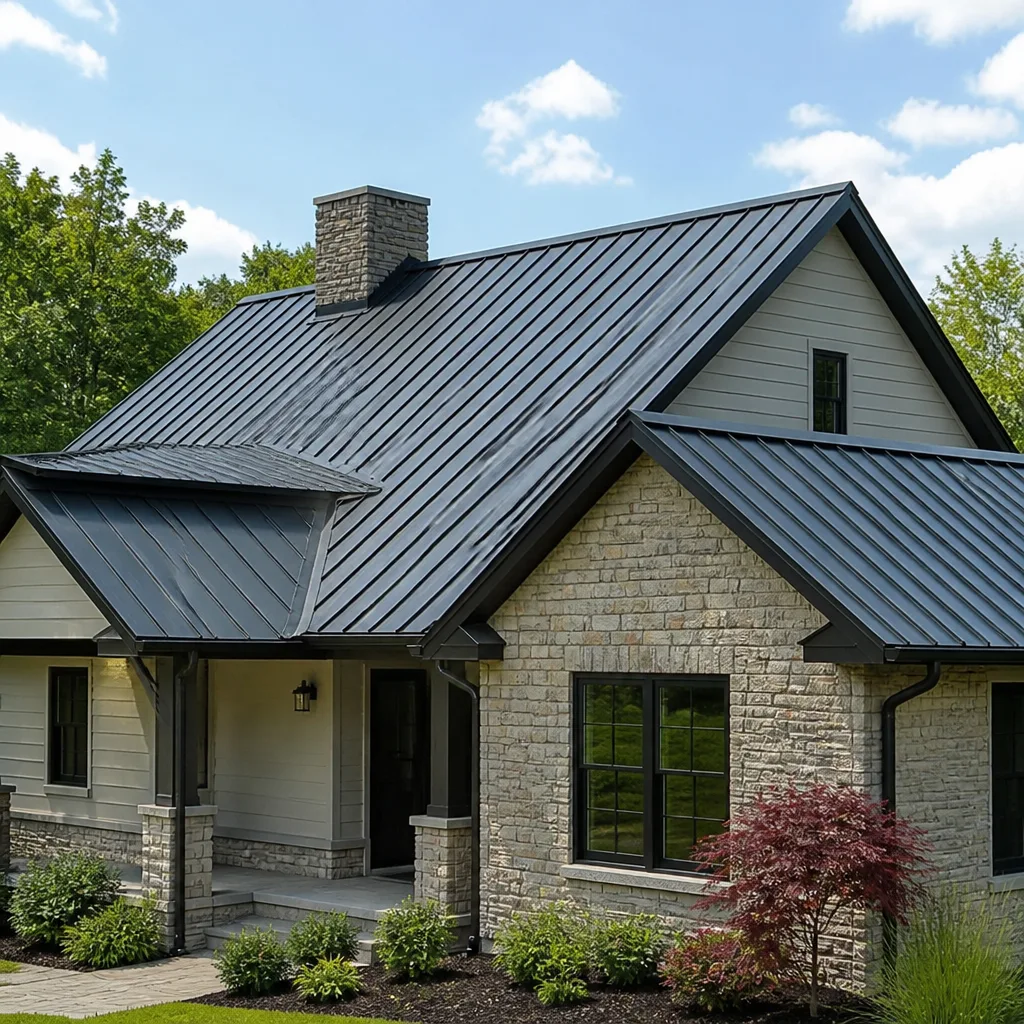 Metal roofing
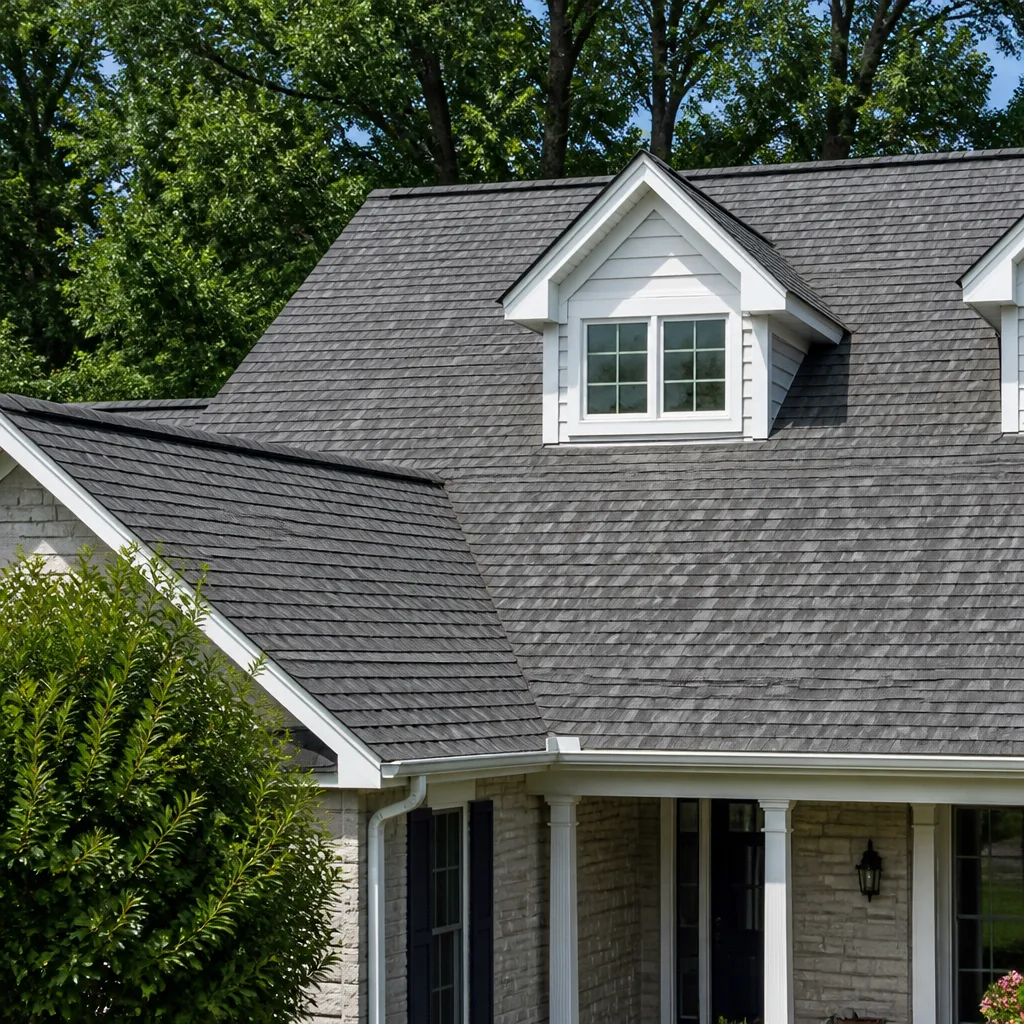 Architectural shingles
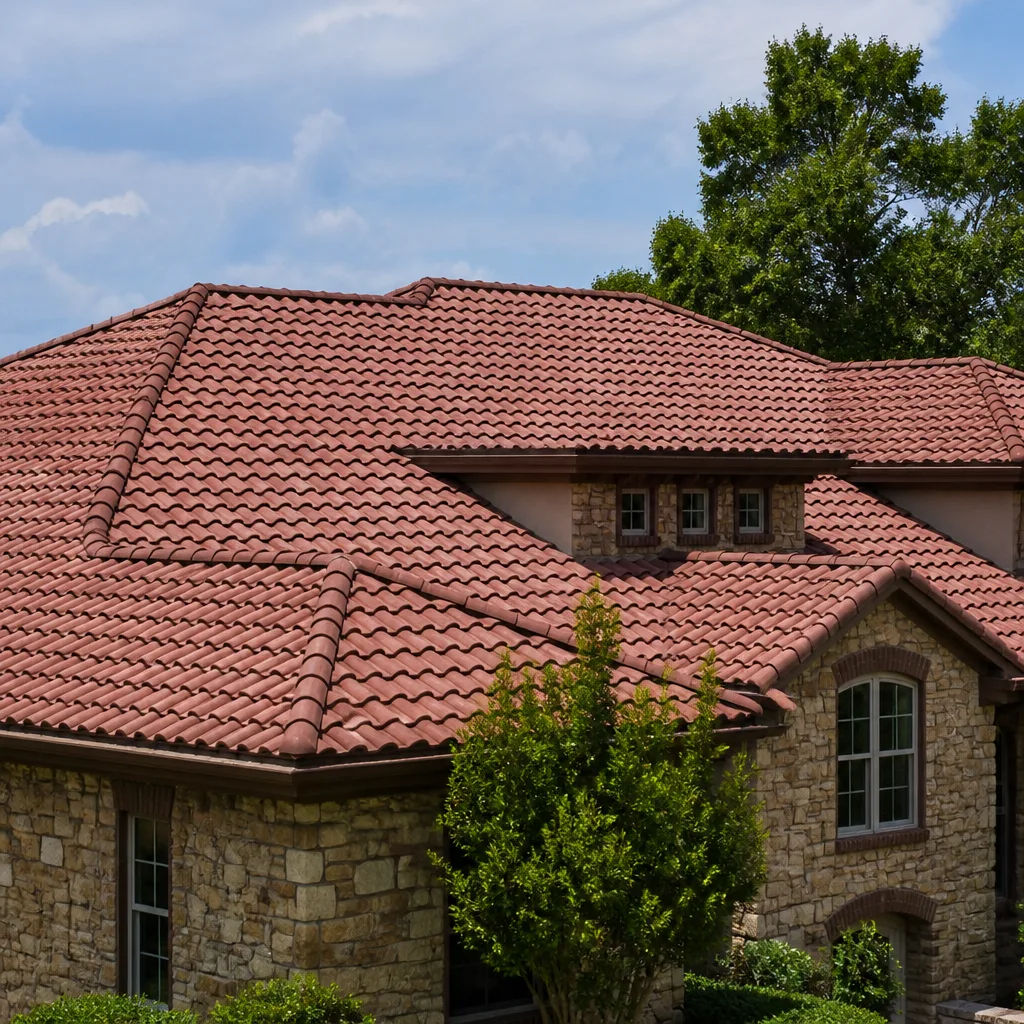 Tile roofing
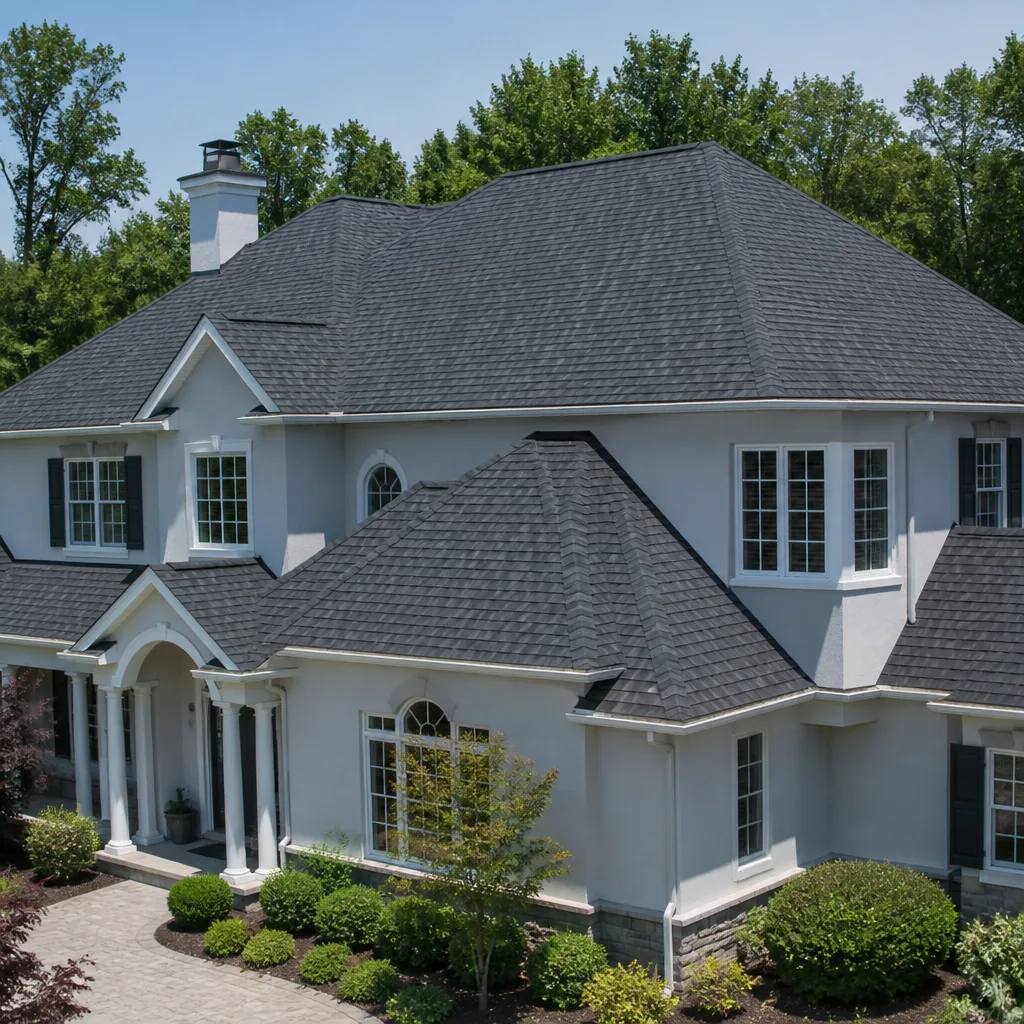 GAF
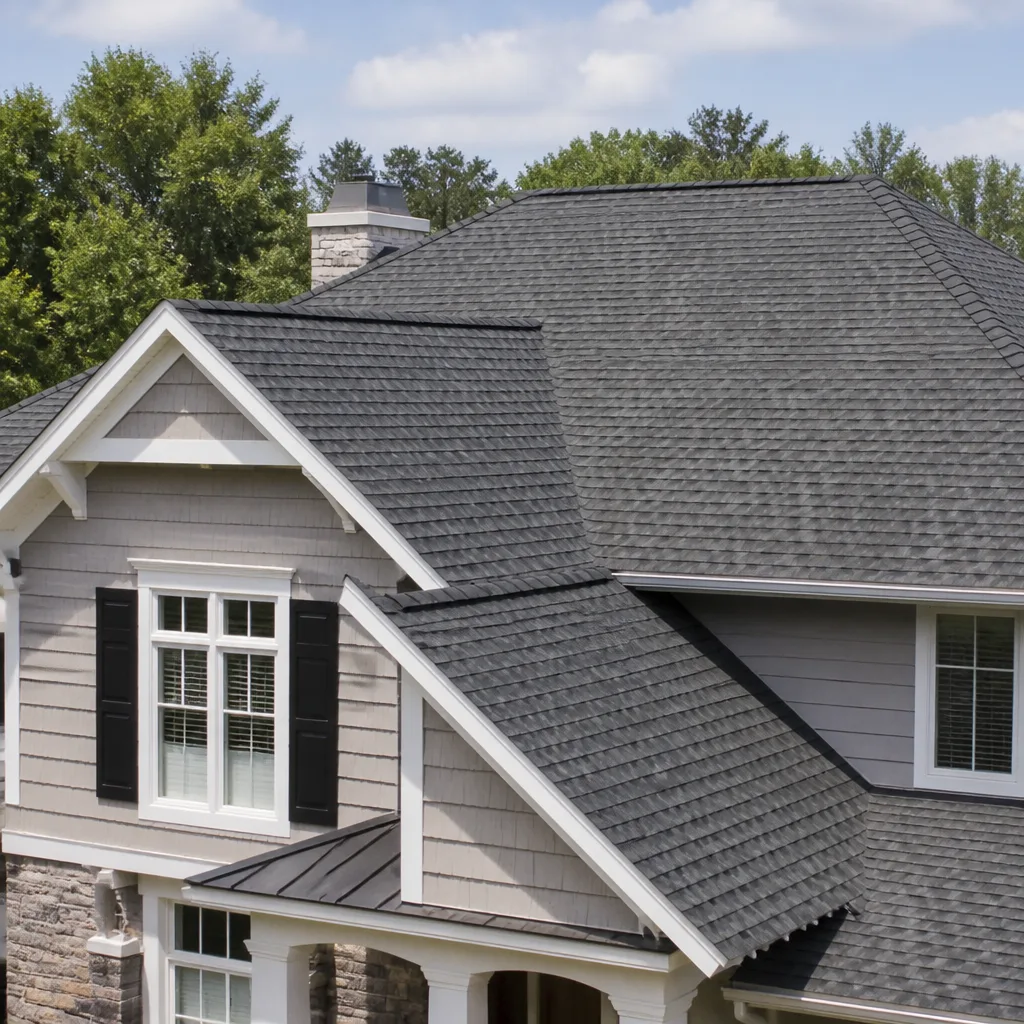 Owens Corning
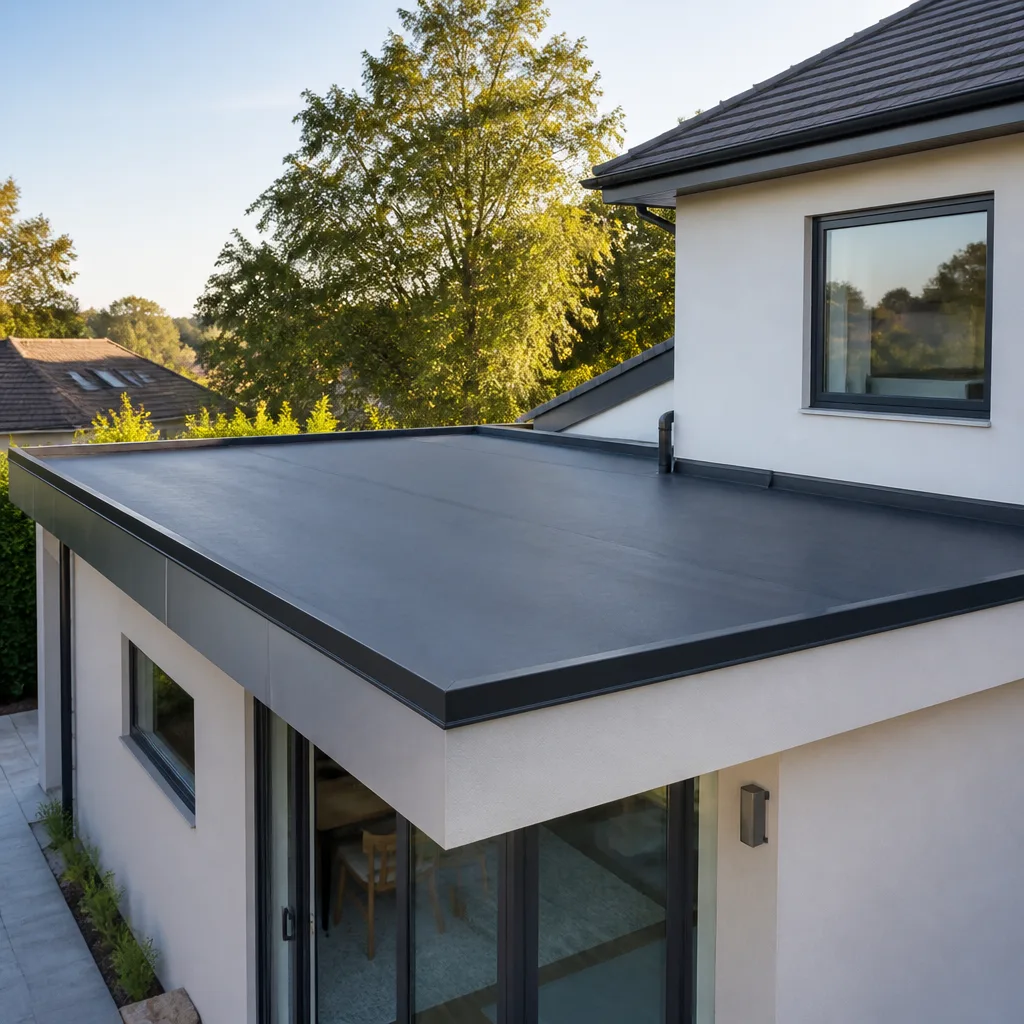 Flat & low-slope
Free roof inspection with deck photos before we talk money - GAF and Owens Corning certified installation
Roofing Emergency Preparedness Guide for Downey Homes
Most interior water damage in Downey after a roofing failure isn’t caused by the storm itself. It’s caused by the 36 to 48 hours between when the breach opens and when a tarp gets secured over it, a window most homeowners don’t know how to manage until they’re standing in a wet living room. A single Santa Ana wind event ripping a section of shingles loose, or the first heavy rain hitting a deferred repair, can open your home to thousands of dollars in damage before a contractor even returns your call. This guide covers what Downey homeowners need to know before that happens: how to tarp safely, what to document for insurance, how to tell emergency damage from wait-and-see damage, and how to build a contact plan you won’t have to think about in the moment. For Roofing Warning Signs: A Downey Homeowner’s Reference Guide, see our companion resource.
Styles & brands we work with
Quick Answer
Roofing emergency preparedness for Downey homes means having a tarp, a documented pre-storm inspection, and a verified contractor’s number ready before a breach happens. When damage occurs, the first priority is safe temporary coverage within 48 hours, followed by photo documentation, then an insurance call. Seacrest Roofing offers Roof Inspection in Los Alamitos and surrounding areas to catch vulnerabilities before the first rain.
Table of Contents
- Why Downey Homes Fail Roofing Emergencies
- Santa Ana Wind Damage: What Actually Happens
- How to Safely Tarp a Roof in an Emergency
- Insurance Documentation: The Sequence That Protects Your Claim
- Emergency Response vs. Scheduled Inspection: How to Tell
- Emergency Repair vs. Permanent Repair: Know the Difference
- Building an Emergency Contact Plan Before You Need It
- Common Mistakes to Avoid
- When to Call a Professional
- Frequently Asked Questions
- The Bottom Line
Why Downey Homes Fail Roofing Emergencies
Downey doesn’t feel like a storm-risk city. We don’t get hurricanes, we rarely see hail, and the rain season is short enough that most homeowners go nine months at a time without thinking about their roof. That sense of low risk is exactly what makes Downey roofs vulnerable. Roofs in this area don’t fail from dramatic weather events as often as they fail from slow, compounding neglect: a lifted shingle from a Santa Ana gust in October, a cracked pipe boot that seeps during light rain in December, a valley that’s been holding debris since spring. By the time the real storm hits, the roof has already lost its ability to shed water, and the “emergency” is just the moment the water finally finds its way inside.
In our experience across Downey, the pattern repeats itself. Homeowners call us after the ceiling is already stained, after the drywall is already soft, after the water has run down the wall cavity and into the flooring. At that point, the repair cost isn’t just roofing. It’s drywall, paint, insulation, sometimes electrical. The roof repair might be $600, but the interior restoration is $6,000. The breach that caused all of it probably existed for months before the rain found it. A Seacrest Roofing home inspection in August would have caught it for the cost of the inspection itself.
Downey sits in a unique microclimate zone. We’re far enough inland that coastal fog rarely affects roofing materials, but close enough to the San Gabriel River channel that late-season storms can stall over the city and drop more water than the annual average would suggest. Older homes in the northwest section of Downey, many built in the 1950s and 1960s, often have original decking that was installed when building codes were less demanding about underlayment. These roofs handle dry heat well but show their age quickly when water sits on them. The point is this: your roof in Downey is a seasonal asset. It needs a pre-season check the same way your irrigation system does. For a complete maintenance calendar, read our Seasonal Roofing Care for Downey: Year-Round Homeowner’s Guide.
Santa Ana Wind Damage: What Actually Happens
Santa Ana winds are the most underrated roofing threat in Downey. These winds don’t come with rain, so homeowners dismiss them as a nuisance rather than a structural event. But sustained winds of 40 to 60 mph, gusting higher through the passes, exert a lifting force on shingle edges that’s far more destructive than rainfall. The wind gets under the shingle tab, lifts it, and works the nail loose over hours. Each gust peels the shingle back a little more until the seal bond breaks entirely. By morning, you’ve lost a patch of shingles and don’t know it until the next rain arrives weeks later.
Different shingle brands respond to wind lift differently, and this is where the material conversation matters. CertainTeed’s high-wind rated lines use a reinforced nail strip and polymer-modified adhesive that holds up better in repeated Santa Ana cycles. Owens Corning’s Duration series has a fabric-reinforced nailing strip that reduces blow-off rates compared to standard three-tab shingles. IKO’s Nordic line carries a Class 4 impact rating alongside high wind resistance, which matters if you’re in a Downey neighborhood with mature eucalyptus or pepper trees that drop heavy limbs. Atlas shingles with Scotchgard protection resist algae, which matters less in Downey’s dry climate but still matters on north-facing slopes that hold moisture longer. The point is that not all shingles fail the same way, and a roof that’s spec’d for one condition may not be spec’d for Santa Ana.
After a Santa Ana event, we recommend a visual ground inspection of your roofline. Look for shingles hanging out of place, dark patches where granules have been scoured off, or debris accumulation in valleys. You don’t need to get on a ladder. A pair of binoculars works fine. If you see anything questionable, schedule an inspection. Wind damage that’s caught early is a repair. Wind damage that’s ignored becomes an emergency when the next rain comes through. That’s the Downey cycle, and it repeats every year.
How to Safely Tarp a Roof in an Emergency
If your roof has already been breached and water is entering the house, the single most valuable action you can take is getting a tarp secured over the damaged area. A properly anchored tarp stops 90% of ongoing water intrusion and buys you the days you need to schedule a permanent repair. A badly anchored tarp is worse than no tarp: it flaps, tears, and gives a false sense of security while water continues to seep underneath.
Here’s what you need before you start:
- A heavy-duty polyethylene tarp, at minimum 6 mil thickness. Blue tarps from the hardware store work, but heavier is better. For a hole or missing shingle patch, you want the tarp to extend at least 4 feet past the damaged area on every side.
- Anchor boards: 1×2 or 2×4 lumber cut into 2-foot sections. These distribute the force of the anchor across the tarp edge so the grommets don’t tear through.
- Roofing nails or screws, 1.5 to 2 inches long, with washers. Screws hold better in high wind. Nails are faster but pull out under sustained Santa Ana gusts.
- A hammer or drill, work gloves, and a safety harness if you’re going onto the roof itself.
The correct sequence matters:
- Assess the damage from the ground first. If the roof is steep, wet, or you have any doubt about your footing, do not climb. A tarp is not worth a fall. Call a professional.
- If you must go up, position the tarp from the eave side, not the ridge. Roll the tarp out starting at the eave and work upward so the tarp overlaps like a shingle, with each upper edge lying over the lower edge. This creates a water-shedding surface rather than a water-catching one.
- Secure the top edge first. Wrap the tarp edge around the anchor board, then screw or nail through the board and tarp into the roof deck. Space anchors every 12 to 18 inches along the top edge.
- Anchor the sides and bottom the same way, keeping tension on the tarp so it doesn’t flap. A flapping tarp destroys itself and the shingles beneath it in a matter of hours.
- On a low-slope roof, which many Downey homes have on additions or patio covers, avoid walking in the middle of the tarp. Low-slope roofs pool water, and the tarp creates a slippery, dangerous surface. Work from the edges and use a rope or tether.
One thing we tell every Downey homeowner: a tarp is a temporary measure. It’s not a repair. It buys you 30 to 60 days at most before UV exposure degrades the material and wind starts tearing the grommets. The tarp’s real function is to stop the bleeding long enough for a proper repair to be scheduled. If you’re looking for a more permanent temporary solution, there are peel-and-stick membrane products available at roofing supply stores, but those require a clean, dry surface to adhere, which is rare in an active emergency.
Insurance Documentation: The Sequence That Protects Your Claim
The insurance claim process for roofing damage is won or lost in the first 24 hours of documentation. Homeowners who photograph everything before touching anything get claims approved faster and with less pushback. Homeowners who start pulling off damaged shingles and throwing them away before taking photos are essentially erasing their own evidence. Here’s the sequence that works.
- Photograph the exterior damage from the ground first. Wide shots showing the whole roof, then close shots of the specific damage. Include a reference point in each photo: a gutter, a vent, a satellite dish, something that proves which part of the roof you’re looking at.
- Photograph the interior damage. Ceiling stains, wall water lines, flooring, any personal property that got wet. Pull back furniture and lift rugs to show the full extent. Insurance adjusters need to see the full scope, not just the visible part.
- If water is actively entering, photograph it actively entering. A video of water coming through a light fixture is the single most compelling piece of evidence you can submit.
- Make temporary repairs before the adjuster arrives. This is important: insurance policies require you to mitigate ongoing damage. Tarping, placing buckets, moving furniture, all of it. Document the temporary repairs you made and keep all receipts. The policy covers reasonable mitigation costs.
- Do not discard any damaged material until the adjuster has seen it. Shingles, flashing, drywall cutouts, insulation, all of it. If you must remove material to make temporary repairs, put it in a pile in the garage or on the side of the house, and photograph it in place before moving it.
- Write down the date and time you first noticed the damage. Insurance companies ask this, and a precise answer builds credibility. A vague “a few weeks ago” triggers red flags about deferred maintenance.
In Downey, the most common claim dispute is over wind vs. wear and tear. If your shingles were already old and brittle, the insurer may argue the damage was caused by material age rather than the wind event. This is where a pre-storm Roof Repair in Los Alamitos inspection record helps enormously. If you have documentation that the roof was in good condition before the event, the wind-damage claim is much harder to dispute. Seacrest’s inspection reports include dated photos and condition notes, which serve as evidence if a claim is challenged.
Emergency Response vs. Scheduled Inspection: How to Tell
Not all roof damage is an emergency. Knowing the difference saves you money and gets actual emergencies prioritized correctly. Here’s how we classify damage when a Downey homeowner calls us after a storm.
Emergency response is warranted when:
- Water is actively entering the home and reaching interior surfaces, flooring, or electrical fixtures.
- A section of the roof has blown off and the decking is exposed to the elements.
- A tree limb has punctured the roof surface and created an opening, even a small one.
- Wind has torn the flashing around a chimney, vent, or skylight and water is following the gap.
- The roof is sagging or showing visible deflection from water weight.
Scheduled inspection is appropriate when:
- You see missing shingles in the yard or on the ground but no active leak inside.
- There’s granule loss in the gutters or downspouts but the shingle surface is intact.
- A few shingle tabs are lifted at the edges but still attached.
- You notice a small water stain on the ceiling that doesn’t grow when it rains.
- The roof is over 20 years old and you want a condition assessment before the rainy season.
The distinction matters because emergency response gets prioritized. A roofer who’s honest about which category your damage falls into saves you from either overpaying for rush service you didn’t need or waiting weeks for a repair that should have been tarped the same day. Seacrest’s process is built around this distinction: our Roof Inspection in Los Alamitos service is a standalone diagnostic, not a sales funnel. We’ll tell you if the damage needs a tarp today or a scheduled repair next week, and we’ll explain why.
Emergency Repair vs. Permanent Repair: Know the Difference
An emergency repair stops the water. A permanent repair fixes the roof. These are different jobs with different scopes, different materials, and different warranties, and a contractor who’s honest about which one they’re performing is worth more than any discount. In Downey, where a storm can hit on a Tuesday and the homeowner has a dinner party on Saturday, the pressure to “just make it watertight” often leads to permanent-looking emergency patches that fail within a year.
An emergency repair typically involves: replacing missing shingles with whatever’s on the truck, sealing a flashing gap with heavy-duty sealant, or tarping a section that can’t be properly repaired in wet conditions. The goal is watertightness, not longevity. A permanent repair means removing the damaged section, replacing underlayment if needed, installing matching shingles, and sealing the system the way the manufacturer intended. Permanent repairs carry warranties. Emergency repairs carry the understanding that the real fix comes later.
Here’s the tension: some contractors won’t do emergency repairs at all because they can’t warranty them. Others will do a permanent repair and call it an emergency because it happened fast. A third category, and the one to be cautious of, will do an emergency repair and charge a permanent-repair price, leaving you with a patch job that fails in the next storm and a contractor who won’t return your calls. This is where asking one question matters: “Is this a temporary fix or a permanent repair?” A good contractor answers directly. We’ve had Downey homeowners tell us previous roofers couldn’t answer that question, and it’s usually because they didn’t want to admit the work was temporary.
For homeowners, the practical takeaway is this: emergency repair for water intrusion, permanent repair when the roof is dry. Seacrest operates with a repair-first philosophy: if the roof can be permanently repaired, we’ll tell you that and quote it. If the roof is at the end of its service life and repairs are just delaying the inevitable, we’ll tell you that too and walk you through Roof Replacement in Los Alamitos options across our seven shingle brands. The honest answer is always the one that serves you best, even when it’s not the most profitable for us.
Building an Emergency Contact Plan Before You Need It
The worst time to research a roofer is when water is running down your hallway. Stress makes people call whoever answers first, which is exactly how storm-chasers and unlicensed operators get hired in Downey. A storm-chaser is a transient contractor who follows severe weather events from region to region, does quick, cheap work, and leaves before the problems surface. They’re active in Southern California after every major rain event, and they target neighborhoods like ours because the damage is widespread enough to keep them busy for weeks.
Here’s the plan we recommend every Downey homeowner build before the next rain season:
- Choose your roofer now, not later. Call and get a pre-season inspection. This does two things: it catches vulnerabilities before they become emergencies, and it establishes a relationship. When a storm does hit, you’re a known customer calling a known contractor, not a stranger competing for a time slot.
- Verify the contractor’s credentials before you need them. In California, roofing contractors must hold a C-39 license and carry workers’ compensation insurance. You can verify a license on the Contractors State License Board website in two minutes. Do it now for whoever you plan to call, not while the rain is coming through the ceiling.
- Save the number in your phone, and save a second number. A local roofer with local crews will have faster response capability after a Downey storm than a roofer dispatching from 40 miles away. If your chosen roofer can’t get to you in time, having a second verified option matters.
- Know where your water shut-off is and how to shut it off. This doesn’t stop a roof leak, but it stops the secondary disaster if a leak reaches an electrical panel or water heater.
- Pre-position your tarp and anchor supplies. A 10×20 tarp, a box of screws with washers, and four anchor boards in the garage costs under $100. When the emergency happens, you’re ready to mitigate while you wait for the professional.
- Photograph your roof today, from all angles, and store the photos in a cloud folder. This gives you a documented “before” condition for insurance purposes. If a storm damages the roof, you have the comparison set.
Ask for local references in Downey specifically. A roofer who’s done work in your neighborhood understands the material realities of Downey homes: the 1950s construction in the northwest, the ranch roofs that dominate the central corridors, the tile transitions to newer construction. They also understand which shingle brands hold up best to our specific wind and sun exposure, which is where Seacrest’s seven-brand portfolio becomes an advantage rather than a marketing line. We’re not steering you toward one brand because it’s the only one we install. We’re matching the material to the roof, the exposure, and your budget.
Common Mistakes to Avoid
- Ignoring a lifted shingle because it isn’t leaking yet. A lifted shingle is a countdown, not a minor issue. The next Santa Ana event or rainstorm turns that lift into a full tear-off. In Downey, this is the single most common pre-emergency condition we find on inspections.
- Tarping over a loose deck board without securing it first. A tarp over unstable decking creates a false platform. The first time someone walks on it, the board gives way. If the decking is compromised, the tarp should be anchored from the ground or applied by a professional with proper fall protection.
- Waiting to call insurance because you haven’t fixed the leak yet. Your mitigation duty exists from the moment of discovery, not from when you get around to it. Document what you’ve done, then call. Insurance processes claims faster when the homeowner shows initiative.
- Hiring the first contractor who knocks on your door after a storm. Licensed local roofers don’t cold-knock. Storm-chasers do. If someone’s going door to door in Downey after heavy rain, that’s a red flag in itself.
- Accepting a “free roof inspection” from an unknown company without verifying who’s actually paying for it. Some free inspections are sales leads, not diagnostics. A real inspection produces a written condition report you can keep whether or not you hire the inspector to do the work. Seacrest’s inspections are standalone products, and that’s the standard to look for.
- Reusing old flashing in a repair because it “looks fine.” Flashing fails microscopically before it fails visibly. The corrosion that allows water through is often invisible until the leak shows up inside. Any permanent repair should include new flashing at the penetration points.
- Thinking a home warranty covers roofing emergencies. Most home warranties exclude roofing, or cover only specific items like a water heater that leaked. Read your policy now, not when you’re arguing with an adjuster.
When to Call a Professional
If you have active water intrusion, visible decking, a sagging roof, or any damage you can’t safely assess from the ground, call a professional. Roof work is dangerous, especially when the roof is wet or the damage is in a high or steep area. A fall from a single-story Downey roof can cause permanent injury. The cost of a professional tarping is a fraction of the cost of the damage it prevents. Seacrest Roofing offers free estimates in Downey – call (855) 597-2817 and we’ll assess the situation, recommend whether emergency response or scheduled service is appropriate, and give you a written line-item quote. You’re not obligated to anything by calling. The estimate is free, the advice is honest, and the call gets you out of the stress spiral of not knowing what to do next.
Frequently Asked Questions
Emergency roof tarping in Downey typically costs $200 to $600 depending on roof height, pitch, and the size of the damaged area, with most jobs falling in the $300 to $400 range. The cost is usually recoverable through your insurance policy’s mitigation coverage. Call (855) 597-2817 for an exact quote on your situation.
Yes, most homeowner’s policies in California cover wind damage to roofs, including Santa Ana wind events, minus your deductible. The key variable is whether the damage is classified as sudden wind damage (covered) or long-term wear and tear (generally not covered). A pre-storm inspection record helps prove the roof was in good condition before the wind event. Call (855) 597-2817 if you need a documented inspection before the next wind season.
A standard polyethylene tarp can stay on a roof for 30 to 60 days before UV degradation and wind stress require replacement. Heavy-duty tornados tarps with reinforced grommets can last up to 90 days. A tarp is a temporary measure, not a repair, and the permanent fix should be scheduled as soon as possible after the emergency is contained.
The most common roofing emergency we see in Downey is water intrusion from lifted shingles after Santa Ana wind events, followed by flashing failures around chimneys and vents during heavy rain. Both conditions are almost always detectable on a pre-season inspection before they become active leaks. Call (855) 597-2817 to schedule yours.
Small repairs like replacing a single missing shingle are technically possible for a handy homeowner, but most DIY roof repairs fail because the underlying cause isn’t addressed. A missing shingle almost always means failed sealant strips or loose nails in the surrounding area. If you’re not sure what caused the shingle to fail, you’re not fixing the problem. Call (855) 597-2817 and we’ll tell you what’s actually going on.
We prioritize emergency calls from existing customers and respond as quickly as our schedule allows after a storm event. If you’ve had a pre-season inspection with us, you’re in our system and we know your roof’s condition, which makes emergency response faster and more targeted. Call (855) 597-2817 now to get on the books before the next storm.
The Bottom Line
Downey homeowners don’t prepare for roofing emergencies because the city doesn’t feel like a risk area. But the city’s geography, wind patterns, and aging housing stock create a real vulnerability that shows up every time it rains hard. The 48-hour window after a breach determines whether you’re dealing with a $600 repair or a $6,000 restoration. Preparedness means three things: a pre-season inspection that catches problems before they become emergencies, a tarp and anchor kit ready in the garage, and a verified contractor’s number in your phone. Seacrest Roofing serves Downey with all three: honest inspections that diagnose before they sell, repair-first service that meets the roof where it is, and replacement capability across seven shingle brands when the roof needs more than a patch. Call (855) 597-2817 to schedule your pre-season inspection. The estimate is free, and the knowledge you’ll gain is invaluable. Browse our more guides & resources for additional homeowner tips.ou’ll gain is worth more than any tarp.
Written by the team at Seacrest Roofing, serving Downey since 2018.
See the difference
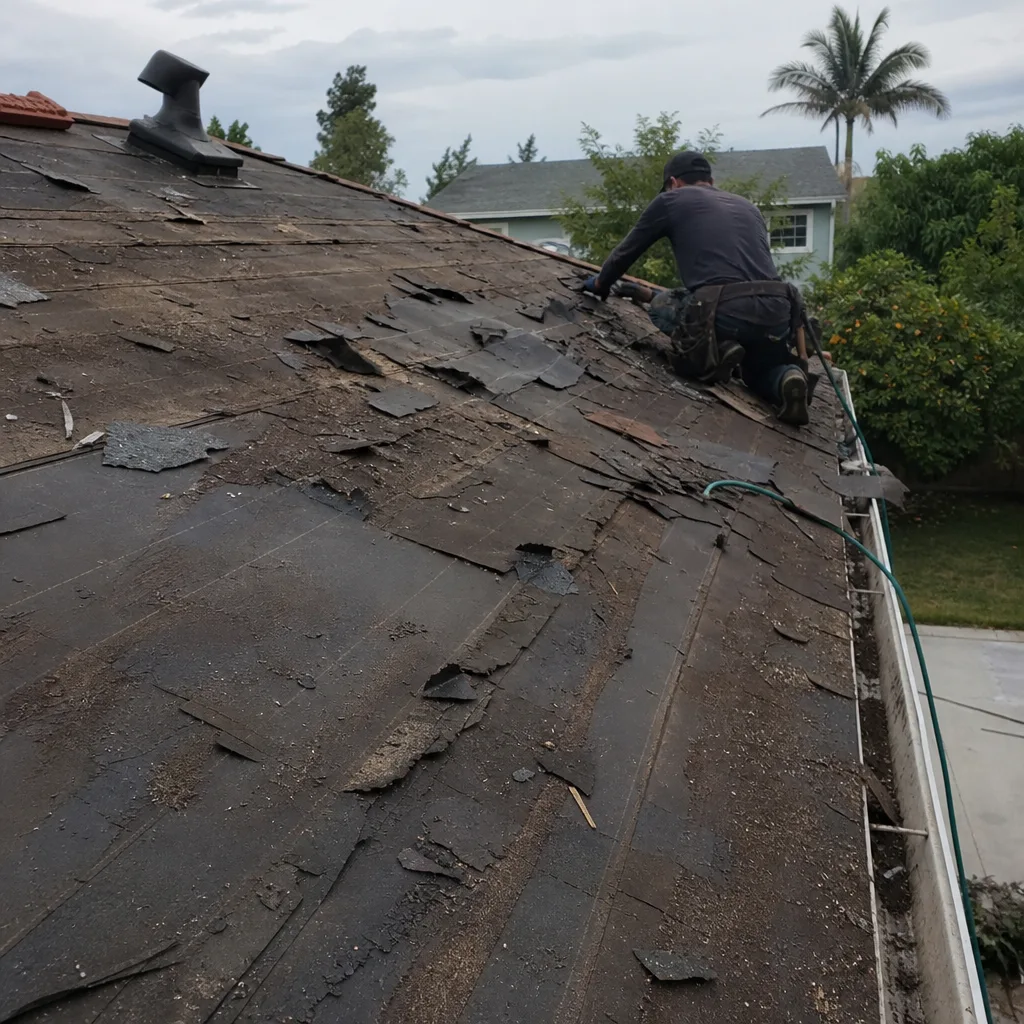 Before
 After
 Before
 After
 Before
 After