
Last updated October 31, 2026
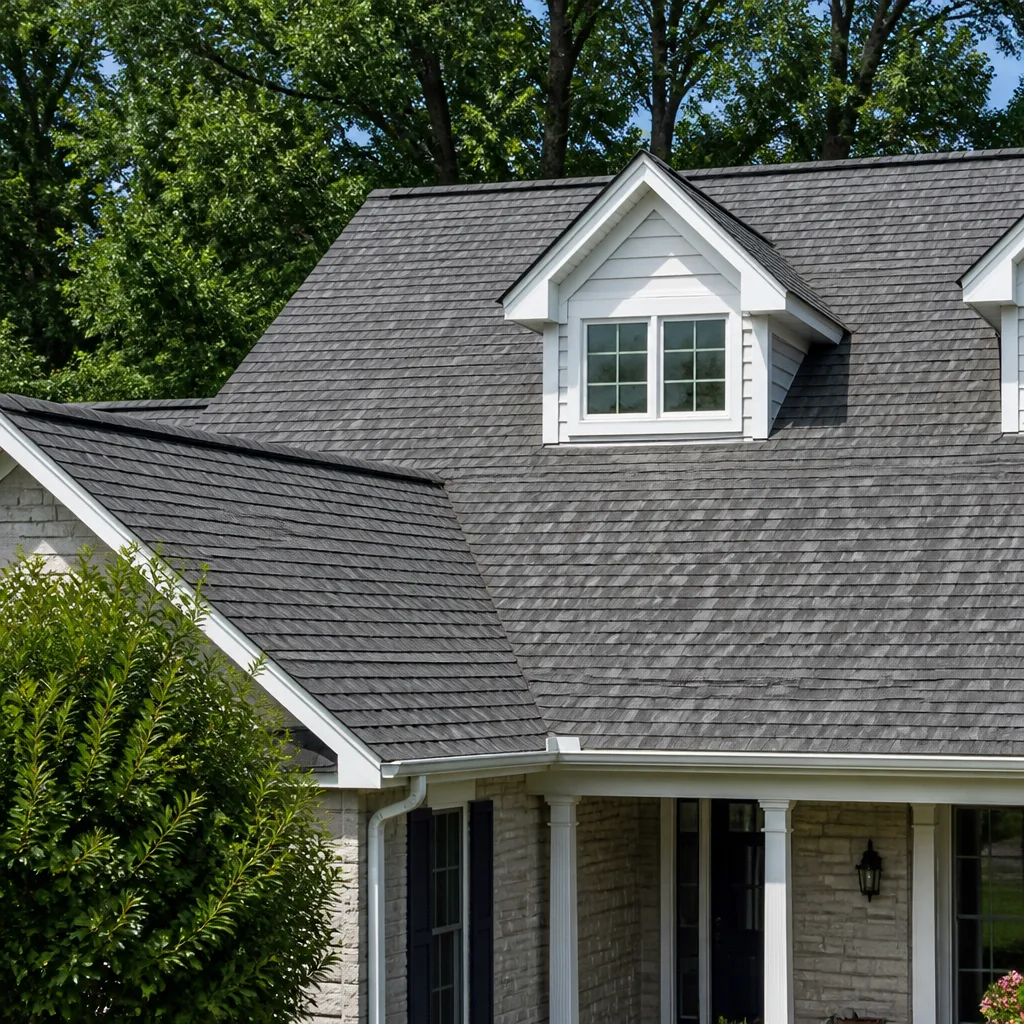 Architectural shingles
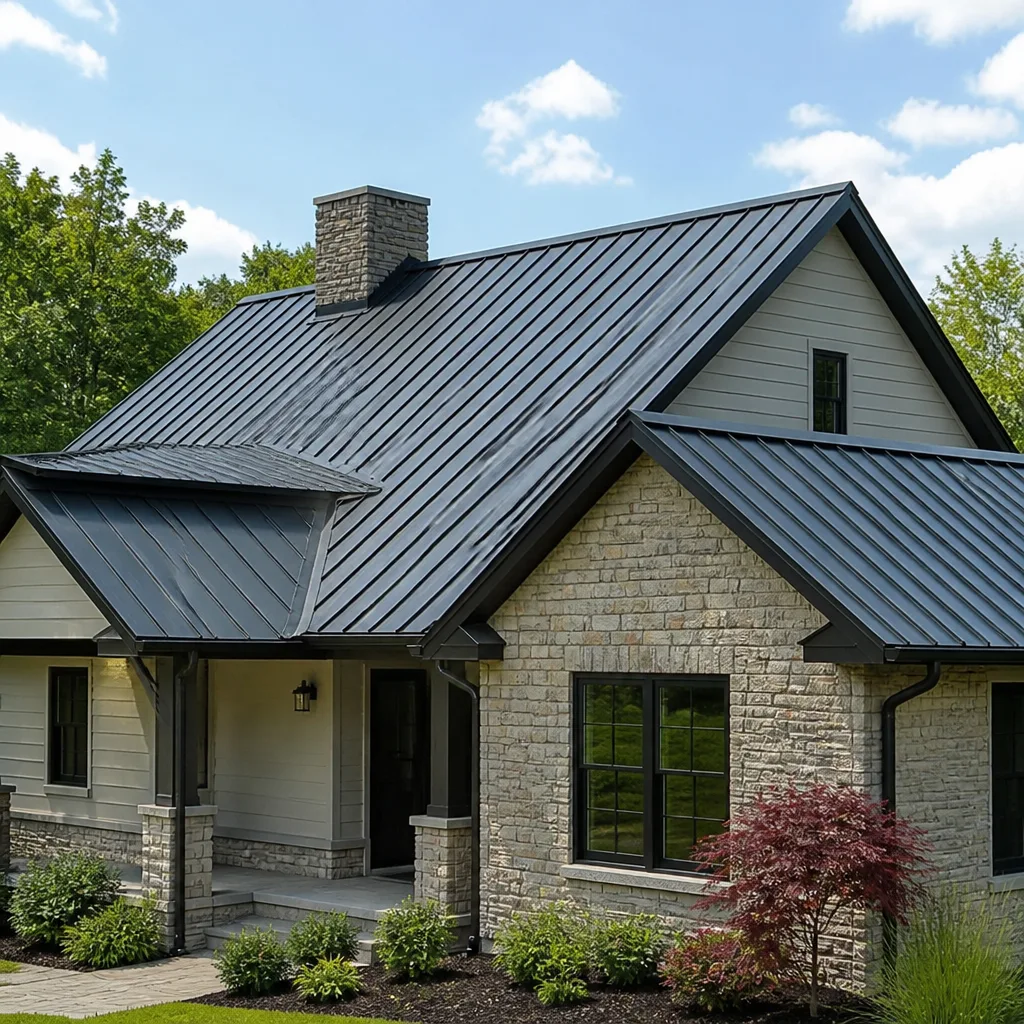 Metal roofing
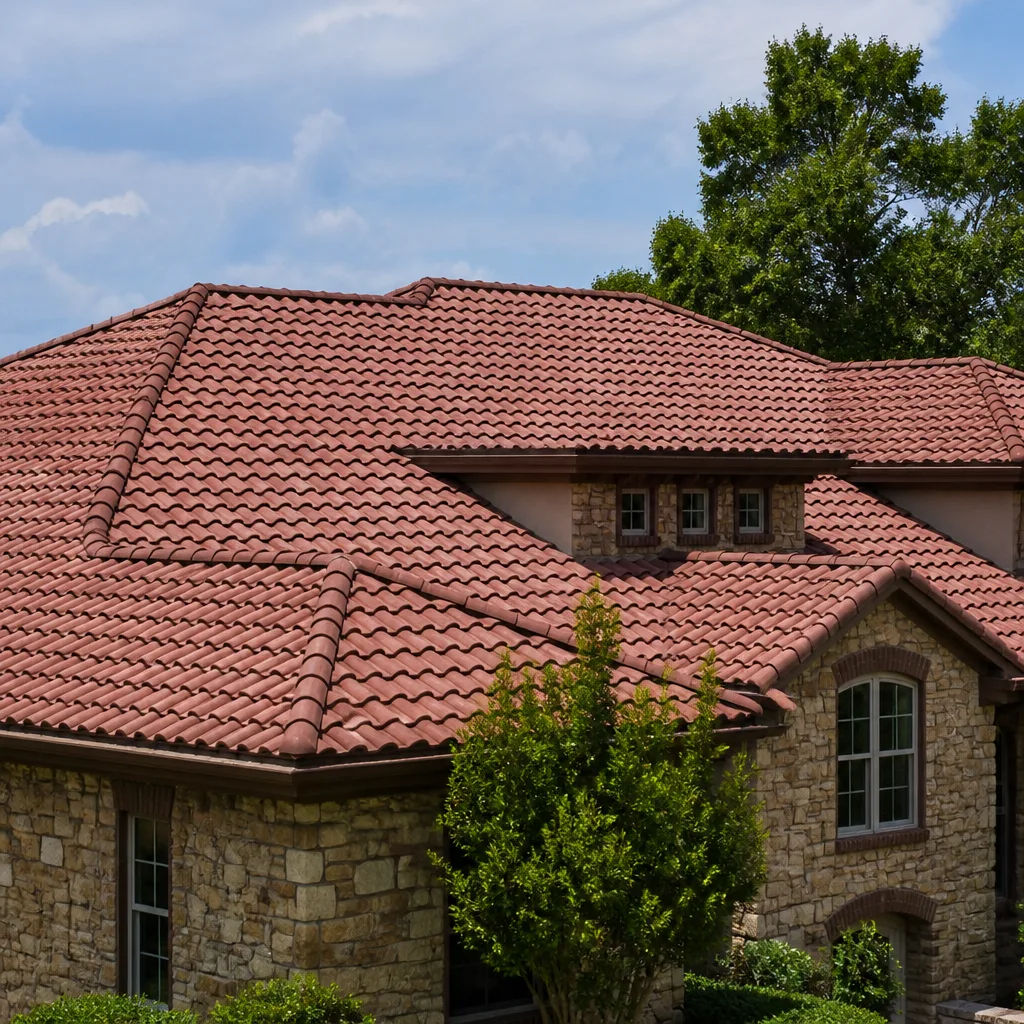 Tile roofing
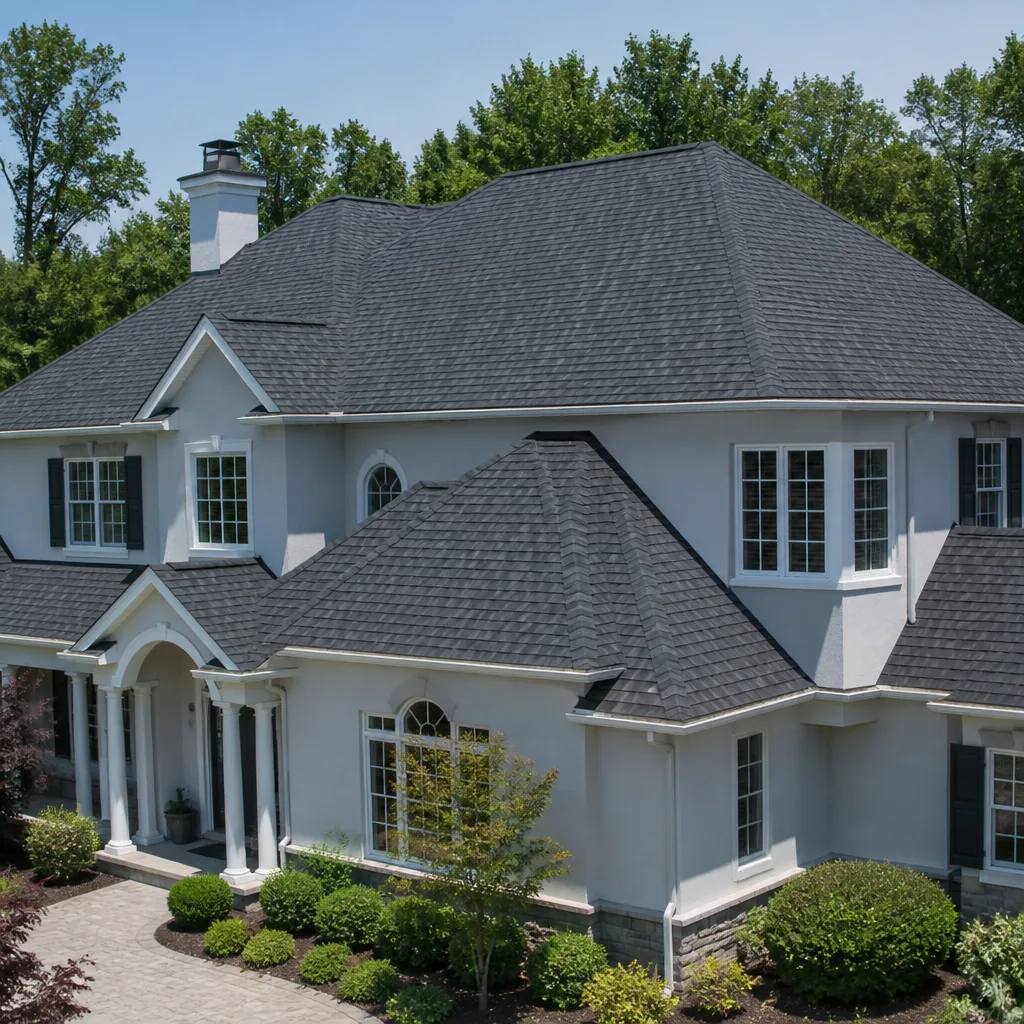 GAF
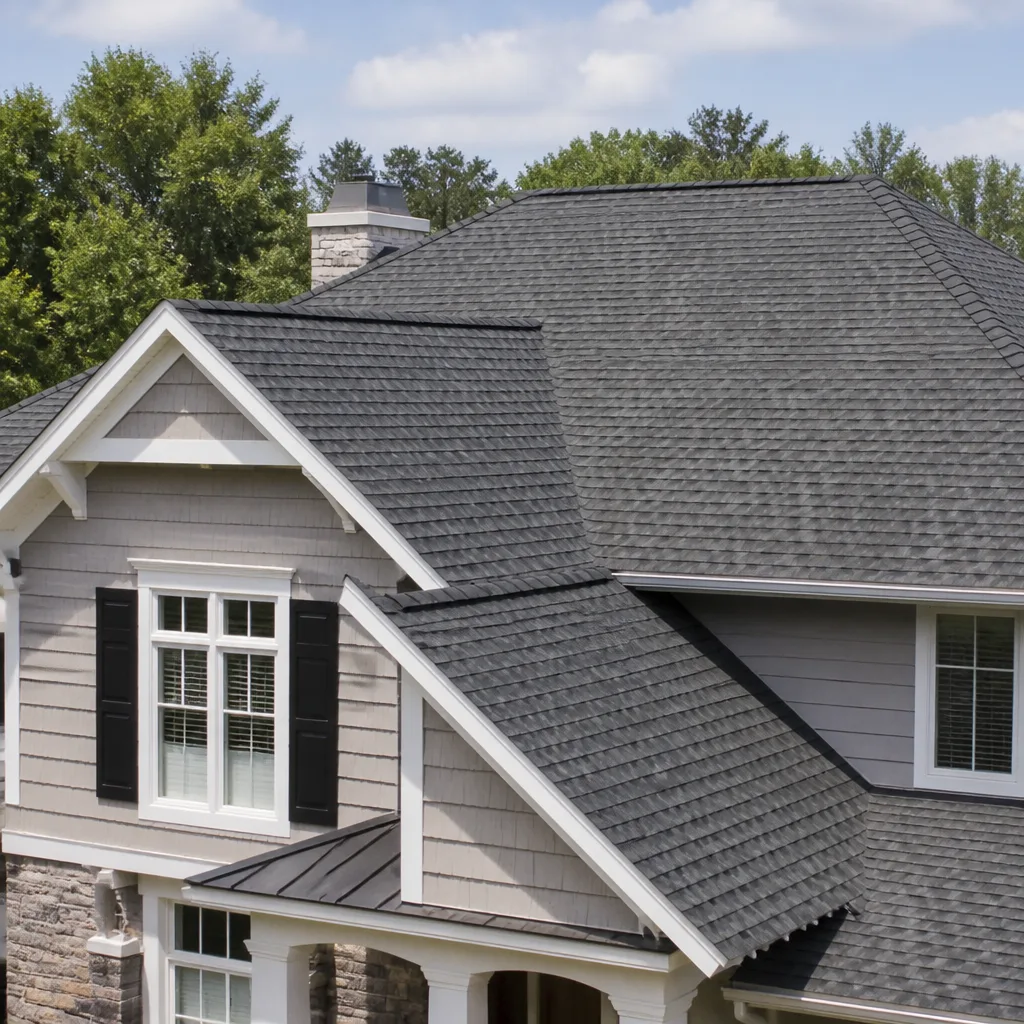 Owens Corning
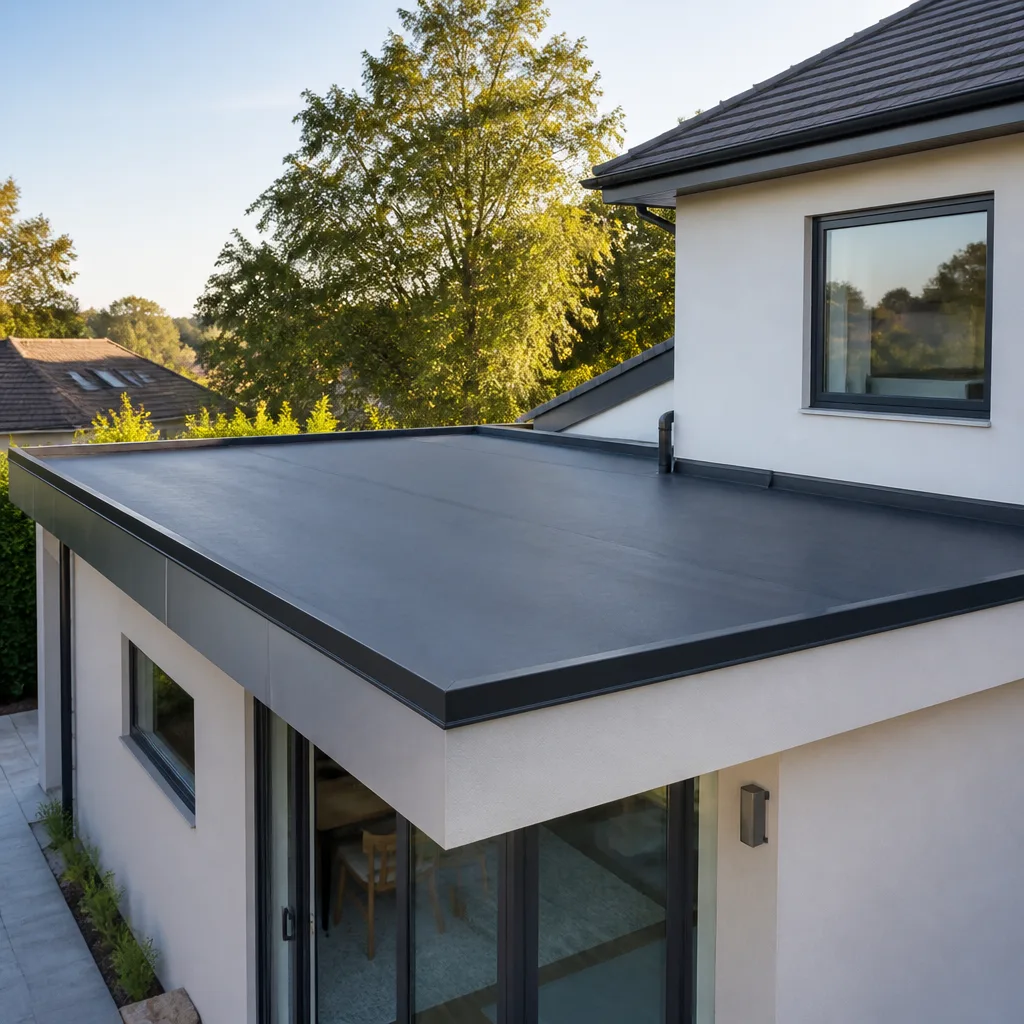 Flat & low-slope
Free roof inspection with deck photos before we talk money - GAF and Owens Corning certified installation
The Complete Roof Repair Guide for Downey Homeowners
Downey sits in a strange weather pocket that most roofing guides never mention. Thirteen miles from the Pacific, the city gets morning marine layer moisture that burns off into dry inland heat, sometimes within the same afternoon. That daily wet-dry cycle is harder on roof underlayment than either full coastal fog or full desert sun, and it means your roof ages on a different schedule than a house in Riverside or Long Beach. At Seacrest Roofing, we work on Downey roofs every week, and the same repair patterns show up across the city: granule loss on south-facing slopes, underlayment breakdown at roof valleys, and flashing failures around chimneys that get hammered by marine-layer condensation. This guide explains what we’ve learned from inspecting and repairing hundreds of Downey roofs, so you can make informed decisions about your own.
Quick Answer
Roof repair in Downey typically costs between $275 and $850 for targeted fixes like shingle replacement, flashing repair, or valley patching, while larger repairs involving underlayment replacement or structural decking work run $1,200 to $3,500. Downey’s unique marine-layer-to-heat-spike climate means south- and west-facing roof slopes degrade 20-30% faster than east- or north-facing slopes, so repair timing matters more than repair volume. Most Downey homeowners should get an inspection at the first sign of granules in gutters, a curled shingle edge, or water staining on ceilings, because the city’s 1950s-1970s housing stock often has underlayment that’s already at the end of its functional life. Call (855) 597-2817 if you want a straight answer about whether your roof needs a repair or a deeper conversation about timing.
Styles & brands we work with
Table of Contents
- Why Downey’s Climate Damages Roofs Differently
- What Roof Repairs Cost in Downey
- Which Repairs Are DIY-Feasible vs. Which Need Permits
- Repairing 1950s-1970s Ranch-Style Roofs in Downey
- Material-Specific Repair Considerations
- Documenting Repairs for FAIR Plan and LA County Insurance Claims
- Repair Sequencing for South- and West-Facing Slopes
- Common Mistakes to Avoid
- When to Call a Professional
- Frequently Asked Questions
Why Downey’s Climate Damages Roofs Differently
Roofing materials fail predictably when you understand the environment they’re fighting. In Downey, the fight is a daily cycle most homeowners never notice: overnight marine layer from the San Gabriel Valley basin pushes moisture inland and settles over the city, then burns off by mid-morning when inland air heats up. That means your roof surface goes from cool and damp to hot and dry within four to six hours, every day, for most of the year. Asphalt shingles are engineered for stable conditions, not this kind of thermal cycling. The repeated expansion and contraction breaks the adhesive bond between shingle layers faster than consistent heat or consistent moisture would. We regularly see Downey roofs where the upper shingle layer has started sliding or curling not because of age but because the sealant strip has failed from cycling stress. Our Roof Inspection in Los Alamitos process checks for this specific failure mode because it shows up differently than standard weathering.
The underlayment story is even more Downey-specific. Underlayment is the protective layer between your shingles and the wooden roof deck, and in Downey it’s exposed to something most inland roofs never experience: repeated condensation. When marine-layer moisture sits on your roof overnight and then the decking heats up during the day, moisture wicks under the shingles and into the underlayment. Over years, this creates a microclimate inside the roof assembly that breaks down felt paper and synthetic underlayments faster than manufacturer ratings would predict. Homes in Downey’s northern and western neighborhoods, closer to the 605 freeway and the LA River channel, tend to hold moisture longer than homes in the eastern part of town, simply because of air flow patterns around the riverbed. If you’re seeing water stains on ceilings but your shingles look fine, the problem is often underlayment, not shingles. That’s a repair that requires exposing the decking, not just patching the surface.
Then there’s the heat side of the equation. Downey doesn’t hit the triple-digit extremes of the Inland Empire, but it gets sustained 90-plus-degree afternoons during summer months, and those temperatures are enough to accelerate UV oxidation of asphalt shingles. The combination of UV exposure and marine-layer moisture is what makes Downey unique. Coastal cities like Long Beach have the moisture but less heat. Inland cities like Ontario have the heat but less moisture. Downey gets both, and that’s why repair timing here is a legitimate structural decision, not just an aesthetic one.
What Roof Repairs Cost in Downey
Roof repair pricing in Downey follows a pattern we’ve seen consistently across hundreds of projects. The city’s housing stock is predominantly single-family ranch-style homes built between 1950 and 1975, which means most roofs are on relatively simple hip or gable structures with moderate slopes. That actually keeps repair costs lower than in hillside communities like Signal Hill or parts of Los Angeles proper, where access issues and steep pitches add labor time. But Downey’s specific climate means certain repair types cost more than they would in drier areas, because the repairs themselves need to address moisture damage, not just surface wear.
Here’s what we typically see in Downey, based on the repair types we handle most often:
| Repair Type | Typical Downey Range | What’s Included |
|---|---|---|
| Shingle replacement (small area, 5-15 shingles) | $275-$500 | Matching shingles, sealant, nail replacement, basic deck inspection beneath the repair zone |
| Valley repair | $400-$850 | Replacement of valley flashing or woven shingles, sealant, underlayment patch if needed |
| Flashing repair (chimney, vent, or pipe boot) | $300-$650 | New flashing material, sealant, removal of old deteriorated flashing |
| Underlayment patch (small section) | $600-$1,200 | Shingle removal, underlayment replacement, shingle reinstallation over the patched area |
| Decking repair (rotten wood replacement) | $1,000-$2,500 | Removal of damaged decking, new plywood or OSB, underlayment and shingle reinstatement |
| Full slope repair (one entire roof plane) | $1,800-$3,500 | Full shingle removal on one slope, underlayment replacement, new shingles, flashing at all penetrations on that slope |
These ranges reflect what we’ve actually quoted and completed in Downey, not national averages. A roof repair in Downey’s Orange Estates neighborhood, where homes are mostly 1960s-era with original decking still in place in many cases, can run higher because the decking under the shingles is more likely to have suffered years of moisture exposure. Newer subdivisions in the southeast part of the city, where homes were built with synthetic underlayments and modern decking practices, tend to land at the lower end of these ranges.
The price difference between a $400 repair and a $2,000 repair almost always comes down to what’s underneath the shingles, not the shingles themselves. Seacrest Roofing offers free estimates in Downey, and a big part of what we do during an estimate is help you understand exactly which tier your repair falls into before you commit to anything. Call (855) 597-2817 and we’ll give you a written, line-item quote that shows what’s actually wrong underneath the surface.
Which Repairs Are DIY-Feasible vs. Which Need Permits in Downey
Downey operates under the California Building Code with city-specific amendments, and the city’s building department enforces permit requirements more actively than many neighboring municipalities. That matters for roof repair because the line between “maintenance” and “construction” determines whether you need a permit, and getting it wrong can create problems when you sell your home or file an insurance claim later. Here’s the practical breakdown.
Repairs You Can Typically Do Without a Permit in Downey
- Shingle replacement (small scale): Replacing fewer than a dozen shingles on a roof slope is generally considered maintenance. You don’t need a permit for this in Downey, but you do need to match the existing shingle material and color as closely as possible, because visible mismatches can come up during a home inspection at sale.
- Pipe boot replacement: A cracked or deteriorated rubber boot around a plumbing vent is a straightforward fix that falls under maintenance. This is one of the most common repairs we see in Downey homes, because the rubber boots installed in the 1960s and 1970s were never designed to last 50-plus years.
- Caulking and sealant at small penetrations: Resealing around a skylight curb or a small vent penetration is maintenance. Use a high-quality roofing sealant rated for Southern California temperature swings, not generic silicone from a hardware store.
- Gutter cleaning and basic flashing reattachment: If a piece of flashing has simply come loose and the underlying structure is sound, reattaching it is maintenance. If the flashing itself is rusted through, you’re likely into replacement territory, which may require a permit depending on the scope.
Repairs That Trigger Permit Requirements in Downey
- Structural decking replacement: If you’re replacing any portion of the wooden roof deck, the city considers this structural work. You’ll need a permit and an inspection, because the repair affects the structural integrity of the building envelope.
- Underlayment replacement larger than a small patch: Once you’re removing shingles across more than a small section to access the underlayment, Downey’s building department typically wants a permit. This is where the DIY line gets crossed, because once underlayment is exposed, the repair has to comply with current code requirements for moisture barriers, and those requirements have changed since most Downey homes were built.
- Any repair affecting more than 25% of a roof slope: California code and Downey amendments treat large-slope repairs as reroofing, not repair. Once you cross that threshold, the entire slope has to be brought up to current code, which usually means more than just replacing what was damaged.
- Flashing replacement at structural joints: Replacing flashing at a chimney, wall intersection, or valley that requires removal of surrounding roof materials typically triggers a permit, because proper flashing is a code-enforced water barrier requirement.
The permit question matters for more than just compliance. Unpermitted structural repairs can void portions of your homeowner’s insurance policy in California, and if you sell your home, unpermitted work has to be disclosed and can complicate escrow. Seacrest Roofing’s Roof Repair in Los Alamitos service handles permit determination as part of the estimate, so you know exactly what you’re allowed to do yourself and what needs a contractor with the proper licensing and inspection experience.
Repairing 1950s-1970s Ranch-Style Roofs in Downey
Downey’s housing stock is dominated by ranch-style homes built during a specific era of construction practices, and those practices create repair challenges you won’t see in newer developments. Most Downey ranch homes were built with solid-sawn lumber decking (typically 1×6 or 1×8 boards) rather than plywood or OSB. That’s actually a good thing for durability, but it creates specific repair considerations. It also means the roof assembly was designed around specific materials that may no longer be available or may not meet current code requirements. If you own a ranch home in Downey built between 1950 and 1975, here’s what you need to know before any repair work starts.
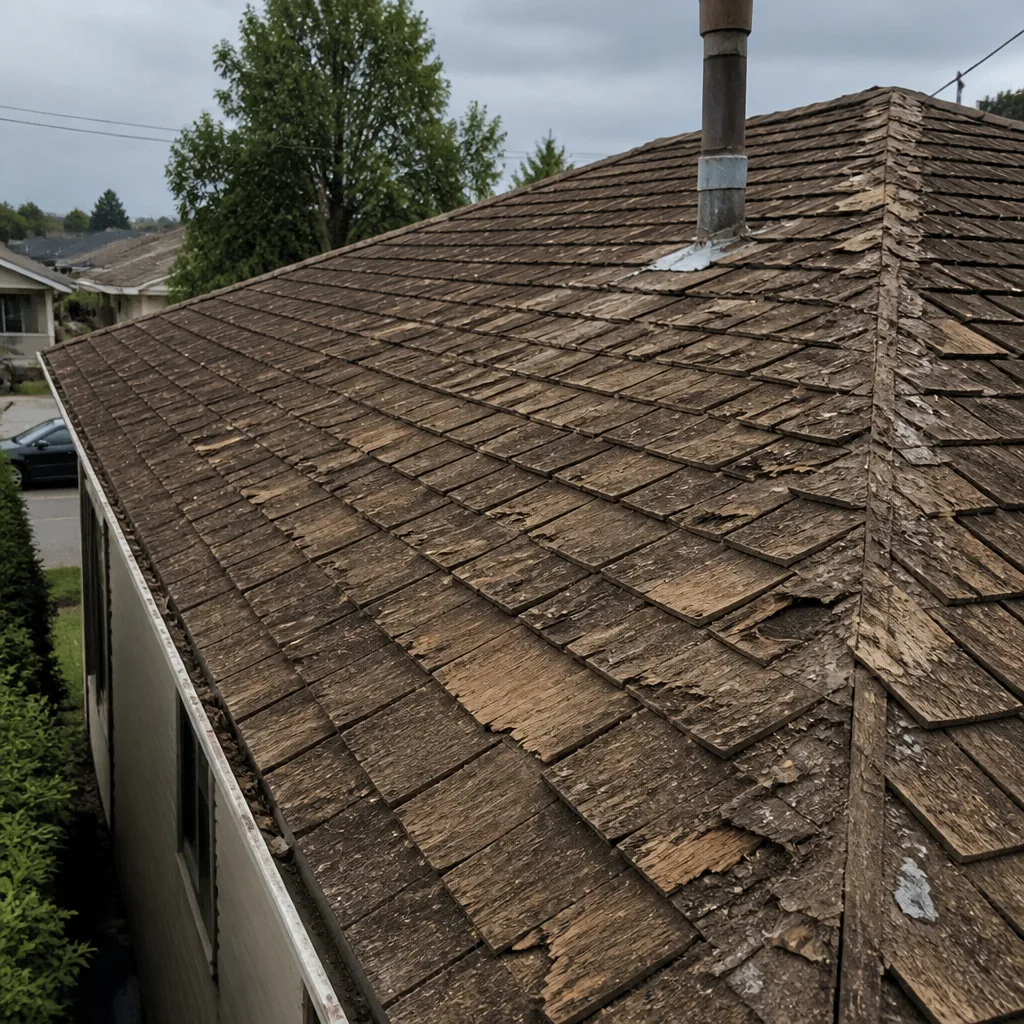
First, check your underlayment type. Homes built before the mid-1970s in Downey typically used asphalt-saturated felt paper, often in 15-pound weight. That material was never designed for the moisture cycling Downey experiences. By the time a roof needs repair on a 1960s ranch home, the felt underlayment is often completely deteriorated in the areas around penetrations and valleys, which is exactly where repairs are needed. When we remove shingles to do a repair on these homes, we almost always find underlayment that disintegrates on contact. That’s not a reason to panic; it’s a reason to plan for the repair to be larger than the visible shingle damage suggests.
Second, understand how your roof was originally flashed. Ranch homes of this era in Downey used galvanized steel flashing around chimneys, vents, and wall intersections. Galvanized steel has a lifespan of about 40-50 years in Downey’s moisture-rich environment, which means the flashing on most 1960s homes is either already failed or going to fail soon. When we repair these homes, we replace galvanized with aluminum or copper flashing, which hold up much better to the moisture cycling. The cost difference is modest, but the longevity difference is significant.
Third, consider material matching carefully. Downey ranch homes often have distinctive architectural shingles from the 1970s or 1980s that are no longer manufactured. If you’re repairing a small section, we can usually find a close match from our inventory across multiple manufacturers. Seacrest Roofing stocks products from seven manufacturers, which means we can match colors and profiles that a single-brand dealer would have to special-order or simply can’t get. Our material-neutral approach means we find the closest match available rather than pushing you toward a brand we happen to carry.
Material-Specific Repair Considerations
Not all shingles repair the same way, and Downey’s climate rewards certain material choices over others. We carry and install products from seven manufacturers, including IKO, Atlas, Tamko, and Boral, and we’ve seen how each performs in Downey’s specific conditions. Here’s what matters when you’re choosing materials for a repair.
IKO shingles repair well in patch applications because the granule colors are consistent across production runs. If you have an IKO roof and need shingles replaced, matching is usually straightforward. IKO’s architectural lines hold up reasonably well to Downey’s moisture cycling, though like all asphalt shingles, the sealant strips eventually fail under repeated expansion and contraction. The key with IKO repairs is making sure the repair crew uses the same nail pattern and sealant method as the original installation, because IKO’s warranty terms are specific about installation methods.
Atlas shingles are worth considering for repairs on south-facing slopes, because Atlas uses a polymer-modified asphalt that resists the thermal cycling slightly better than standard asphalt. In our experience with Downey homes, Atlas architectural shingles on south-facing slopes maintain their granule adhesion longer than some competitor lines. If you’re repairing a slope that gets hammered by afternoon sun, Atlas is a material we recommend more often than not.
Tamko shingles offer good value for ranch-style homes where the repair budget matters but you still want a quality product. Tamko’s Heritage line is the closest competitor to the architectural shingles that dominate Downey’s housing stock from the 1980s and 1990s, which makes matching easier when repairing those roofs. One thing to know: Tamko shingles have a slightly different nail pull-through rating than some competitors, so the original installation method matters. We’ve repaired Tamko roofs where the original installer used the wrong fastener type, and that’s a quality issue that has nothing to do with the shingle itself.
Boral is the most specialized option we carry, and it’s worth mentioning because Boral makes stone-coated steel and tile products that perform differently in Downey’s climate than asphalt. Boral products don’t suffer the granule loss that asphalt shingles do, but they have their own repair considerations: the fasteners and underlayment requirements are different, and repairs must be done by someone who understands the material. If your Downey home has a Boral roof, the repair process is more specialized than a standard shingle patch, but the durability is significantly higher. The trade-off is honest: Boral costs more up front, but in Downey’s climate, it can outlast asphalt by decades.
One thing we tell every Downey homeowner: the repair material should match what’s already on your roof, unless you’re replacing an entire slope. Mixing shingle types on the same roof creates differential expansion rates, which can cause more problems than the repair solves. This is where having access to seven manufacturers matters. If your roof has a discontinued shingle, we can often find a compatible match because we’re not locked to one brand’s catalog.
Documenting Repairs for FAIR Plan and LA County Insurance Claims
California’s insurance market has shifted significantly in the last few years, and Downey homeowners are increasingly finding themselves covered by the California FAIR Plan rather than a traditional private insurer. FAIR Plan policies have different documentation requirements for roof repairs, and getting your paperwork right can mean the difference between a covered claim and a denied one. Here’s what we’ve learned from working with Downey homeowners through the claims process.
First, document everything before any repair work happens. Take photos of the damage from multiple angles, including close-ups and wide shots that show the damage in context. If you have water stains on a ceiling, photograph those too, because they establish a timeline of when the damage occurred. FAIR Plan adjusters in LA County are particularly interested in whether the damage was “sudden and accidental” (covered) versus “gradual wear and tear” (often excluded). Photographs that show a single event, like wind-blown shingles or a fallen branch, are much more persuasive than photos that show general deterioration.
Second, get a written diagnosis before you get a repair quote. FAIR Plan and private insurers both want to see that a professional has identified a specific cause of the damage, not just a general statement that “the roof is old.” A professional inspection that documents specific failure points (failed flashing at the chimney, torn underlayment at a valley, wind damage at ridge caps) gives your adjuster something to approve. Our Roof Inspection in Los Alamitos service includes written documentation that meets the requirements of both FAIR Plan and major private insurers in LA County.
Third, keep receipts for emergency repairs, even if you plan to do a larger repair later. If a storm damages your roof and you pay for tarping or temporary patching to prevent further water intrusion, that’s typically a covered expense under most policies, but only if you document it properly. The key is showing that you took reasonable steps to mitigate damage, which actually helps your claim. Unmitigated water damage that occurs after the initial incident is often excluded because the insurer views it as preventable.
Fourth, understand that FAIR Plan may require a post-repair inspection before they’ll continue or renew your coverage. This is a newer requirement that catches many Downey homeowners by surprise. If your home is on the FAIR Plan and you do a significant repair or replacement, contact your agent to find out whether a completion inspection is required. Seacrest Roofing provides documentation that satisfies FAIR Plan inspection requirements, including photos of the completed work and a written confirmation of the materials used and the scope completed.
The documentation process is bureaucratic, but it’s not complicated if you start with a clear diagnosis and keep good records. If you’re in the middle of an insurance claim and need a professional opinion, call (855) 597-2817. We’ve helped Downey homeowners navigate this process enough times that we can tell you what your adjuster is likely to ask for before they even ask.
Repair Sequencing for South- and West-Facing Slopes
Here’s something Downey homeowners need to understand that most guides never mention: your roof wears unevenly. The south-facing slope of your roof gets significantly more UV exposure than the north-facing slope, and the west-facing slope gets the afternoon heat spike that follows the marine layer burn-off. Over time, that means the south and west slopes of your Downey home will need repair before the north and east slopes do. This isn’t a gradual process; it’s often dramatic. We regularly inspect roofs where the south slope has lost 40-50% of its granule coverage while the north slope still looks serviceable.
This uneven wear has implications for repair timing and sequencing. Here’s the approach we recommend for Downey homeowners:
- Inspect all slopes annually, but pay particular attention to the south and west slopes every spring. Downey’s summer heat arrives quickly, and a slope that’s already compromised will deteriorate faster once temperatures climb. A spring inspection gives you time to repair before the summer damage cycle begins.
- Prioritize south-slope repairs even if the damage looks minor. Granule loss on a south-facing slope accelerates because the underlying asphalt is exposed to direct UV radiation once the protective granules are gone. A small patch now can prevent a full slope repair later.
- Consider the full-slope approach when south slope damage exceeds 30%. Once a slope has lost more than about a third of its functional surface, patching becomes a game of whack-a-mole. You’ll be up on the roof every few months addressing new failures. In those cases, a full slope repair is often more cost-effective in the long run, even though the upfront cost is higher. Our Roof Replacement in Los Alamitos service can evaluate whether you’re at that threshold.
- Match the repair material to the slope’s exposure, not just the existing roof. If you’re repairing a south-facing slope in Downey, consider whether an upgraded material makes sense. A polymer-modified shingle from Atlas, for example, will hold up better to the repeated heat cycling than a standard asphalt shingle. The upgrade cost on a single slope is modest, and it can prevent the same repair from recurring sooner than expected.
- Don’t defer west-slope repairs thinking the worst is over after summer. Downey’s west-facing slopes get the harshest thermal shock because they heat up throughout the day and then cool rapidly when the marine layer arrives in the evening. That daily thermal cycling is what breaks sealant strips and causes shingle curling. West slopes often need repair even when they don’t look as visually damaged as south slopes.
The bottom line on sequencing: if you have to choose between repairing a south slope or an east slope, repair the south slope first every time. The return on investment is higher because the prevention value is greater. And if you’re not sure which slopes on your home are most at risk, that’s exactly the kind of question a professional inspection can answer in an hour. Call (855) 597-2817 to schedule one, or check out our home page at Seacrest Roofing home to learn more about how we approach Downey roofs specifically.
Common Mistakes to Avoid
- Ignoring granule loss until shingles are visibly curling. Granule loss on south-facing Downey slopes starts years before shingles curl, and by the time curling is visible, the shingle has already failed structurally. Check your gutters for granules every time you clean them, which should be at least annually given Downey’s leaf fall pattern from the city’s mature tree canopy.
- Using generic hardware-store sealant for roof repairs. The sealant products sold at big-box stores are not rated for the temperature swings Downey experiences. We’ve repaired “repaired” roofs where the sealant had cracked and separated within a year. Use professional-grade roofing sealant, or have the repair done by someone who does.
- Patching over deteriorated underlayment. If your underlayment has failed, replacing shingles on top of it is a temporary fix that will fail within one to two Downey wet seasons. The moisture cycling in Downey means failed underlayment doesn’t just sit there; it keeps degrading and eventually leaks, often in a different spot than the original repair.
- Forgetting to document repairs for insurance. As discussed above, both FAIR Plan and private insurers in LA County want to see documentation. An undocumented repair is nearly worthless for claims purposes, and it can actually hurt if an adjuster suspects the repair was covering up pre-existing damage rather than addressing a specific incident.
- Choosing a repair contractor based only on price. Downey has plenty of roofing contractors, and the low-bid option often cuts corners on exactly the things that matter in our climate: underlayment inspection, flashing replacement, and sealant quality. The cheapest repair is frequently the one that has to be redone. Get multiple quotes, but compare scope, not just price.
- Waiting to repair until the rainy season is approaching. Downey’s rainy season is short but intense, and contractors get booked solid weeks before the first storm. If you see damage in the spring or summer, repair it then. You’ll get better scheduling, better material availability, and you’ll avoid the stress of a leak during the one week of heavy rain Downey gets in January.
When to Call a Professional
Some roof repairs in Downey are genuinely DIY-feasible, but the line between a simple fix and a structural problem is often invisible from the surface. You should call a professional if you see water stains on ceilings, even if they’re small, because water can travel along rafters and the stain rarely correlates directly with the leak location. You should call a professional if you notice shingles that are curling, sliding, or missing across more than a small cluster, because that indicates a systemic problem rather than isolated damage. You should call a professional if your roof is over 20 years old and you’ve never had an inspection, because Downey’s climate ages roofs faster than national averages. And you should call a professional if you’re dealing with an insurance claim, because the documentation requirements are specific and getting them wrong can cost you thousands. Seacrest Roofing offers free estimates in Downey, and we’ll tell you honestly whether your roof needs a small repair, a large repair, or a conversation about replacement. Call (855) 597-2817.
Frequently Asked Questions
Roof repairs in Downey typically cost $275 to $850 for targeted fixes like shingle replacement or flashing repair, and $1,200 to $3,500 for larger repairs involving underlayment or decking replacement. The final cost depends on what’s underneath the visible damage, which is why we provide free estimates that include a build-up inspection. Call (855) 597-2817 for an exact quote on your specific situation.
Small-scale repairs like replacing fewer than a dozen shingles, pipe boots, or resealing small penetrations generally don’t need a permit in Downey. Larger repairs involving structural decking replacement, underlayment replacement, or work affecting more than 25% of a roof slope do require permits and inspections. Seacrest Roofing determines permit requirements as part of every estimate so you’re never guessing.
Most targeted repairs in Downey take one to four hours of on-site work, while larger slope repairs involving underlayment replacement typically take one to two days. Downey’s weather is cooperative enough that scheduling is rarely delayed by rain, but summer heat can affect sealant curing times, so our crews often work earlier in the day during heat waves. Your estimate will include a specific time frame for your repair scope.
South- and west-facing roof slopes in Downey experience significantly more UV exposure and thermal cycling than north- and east-facing slopes, which accelerates granule loss through repeated expansion and contraction. This uneven wear is normal for Downey’s climate and explains why one side of your roof may need repair while the other side remains in good condition. The right approach is to address the damaged slope proactively before the underlying asphalt degrades further.
Homeowners insurance in LA County, including FAIR Plan policies, typically covers roof repair when the damage is “sudden and accidental,” like storm damage or a fallen branch, but excludes gradual wear-and-tear deterioration. Proper documentation of both the initial damage and the repair work is critical, because adjusters look for specific cause-and-effect evidence. Seacrest Roofing provides written inspection reports and repair documentation that meets the requirements of FAIR Plan and major private insurers.
Repair makes sense when the damage is isolated to specific areas and the underlying roof structure, flashing, and underlayment are otherwise sound. Replacement makes sense when damage is widespread across multiple slopes, when the underlayment has failed in multiple locations, or when the roof has reached the end of its functional lifespan. In Downey, where 1950s-1970s homes often have original decking and deteriorated underlayment, the answer sometimes shifts toward replacement sooner than homeowners expect. Our Roof Replacement in Los Alamitos team can evaluate whether repair or replacement is the smarter long-term investment for your specific roof.
The Bottom Line
Downey’s roofs face a specific set of challenges that generic repair guides miss: marine-layer moisture cycling, afternoon heat spikes, and a housing stock that’s aging into predictable failure patterns. Understanding how your roof wears unevenly, which repairs require permits, and how to document work for insurance helps you make decisions that protect your home and your wallet. The most important step is getting a professional diagnosis before visible damage becomes structural damage, because in Downey’s climate, small problems compound quickly once they start. Seven shingle brands and material-neutral recommendations mean you get the right repair for your roof, not whatever’s easiest for the contractor. Your roof, your material choice. We carry the full lineup, and we’ll tell you exactly what your roof needs. Call (855) 597-2817 to schedule your free estimate today.
Written by the team at Seacrest Roofing, serving Downey since 2018.
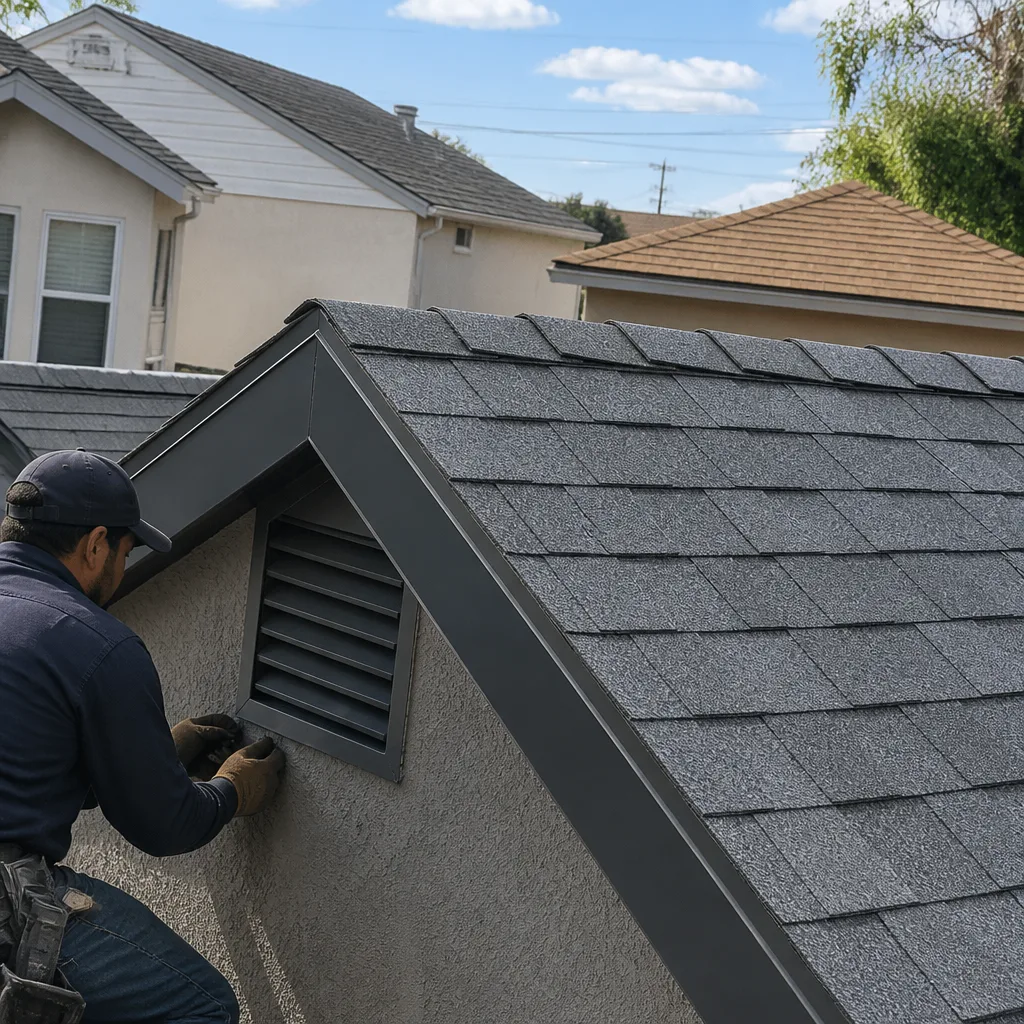
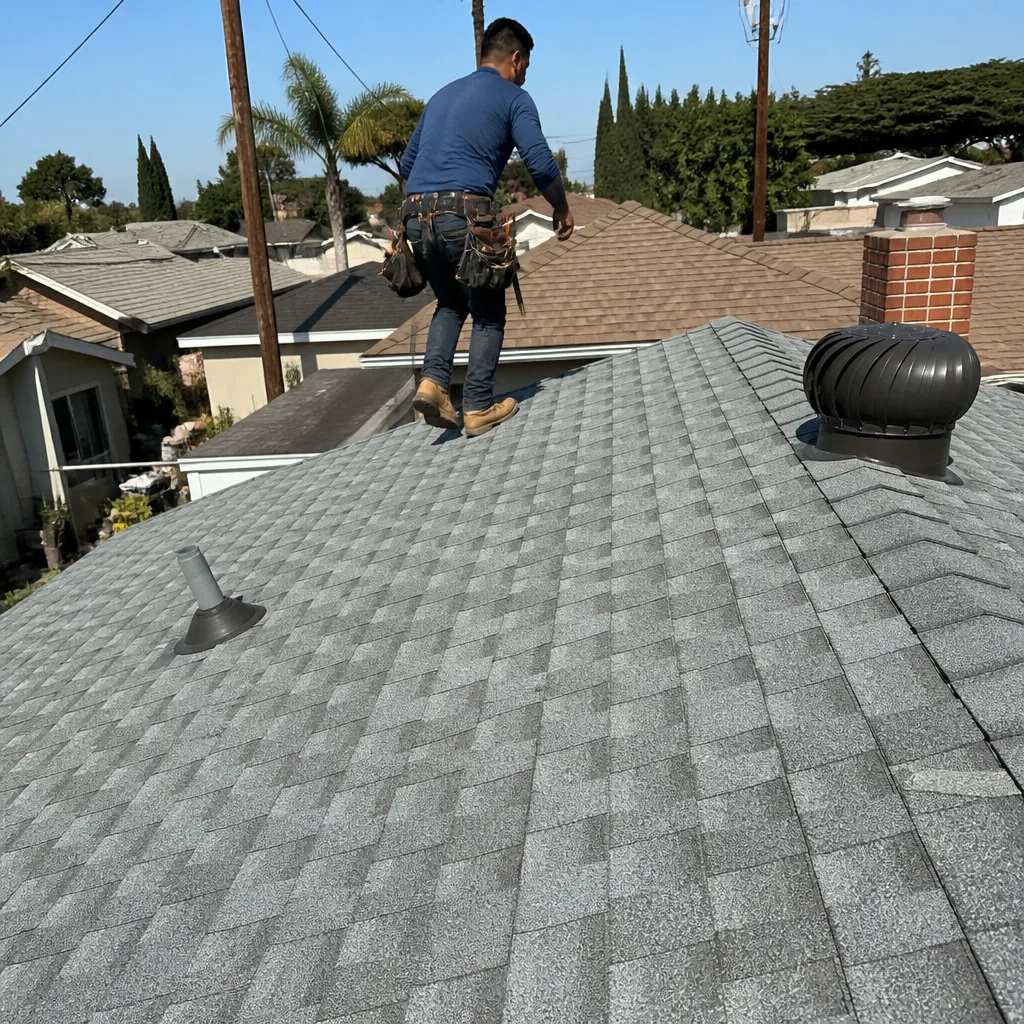
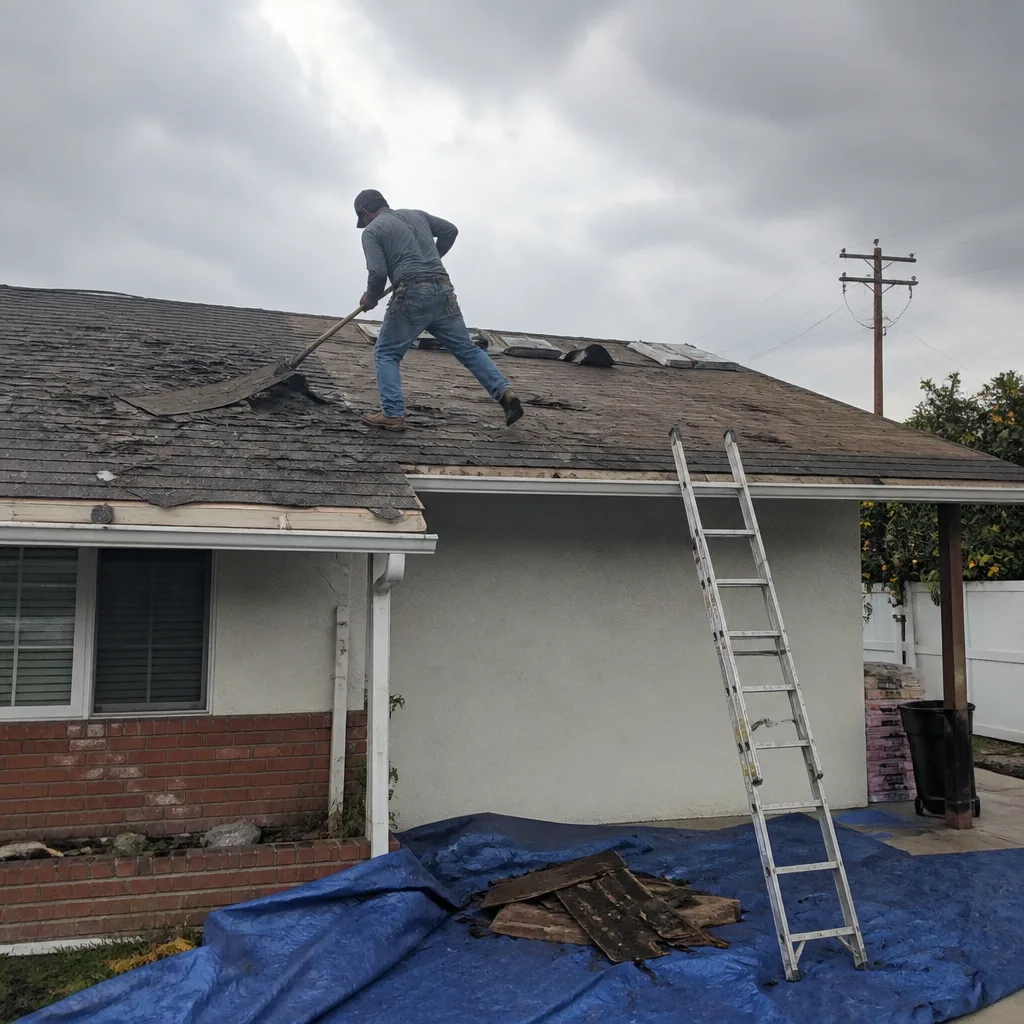
See the difference
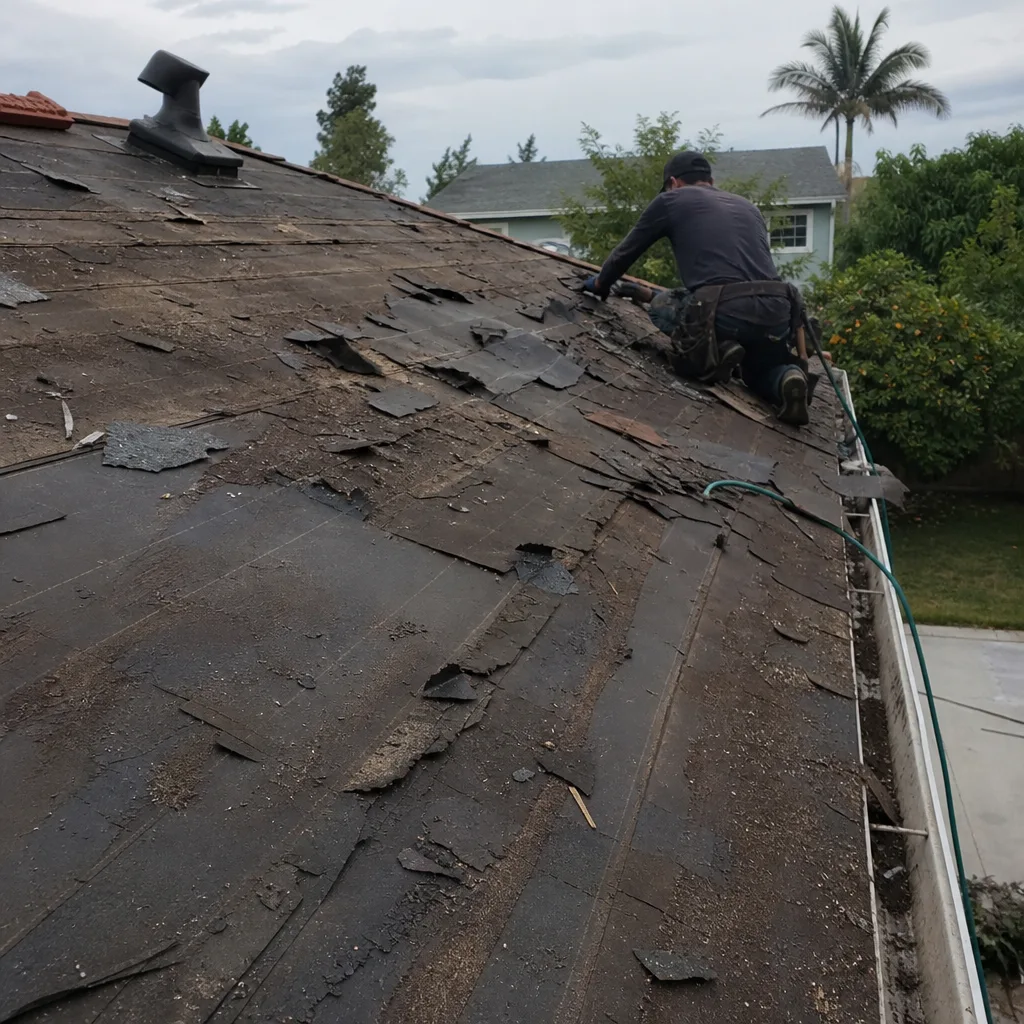 Before
 After
 Before
 After
 Before
 After