
Last updated October 31, 2026
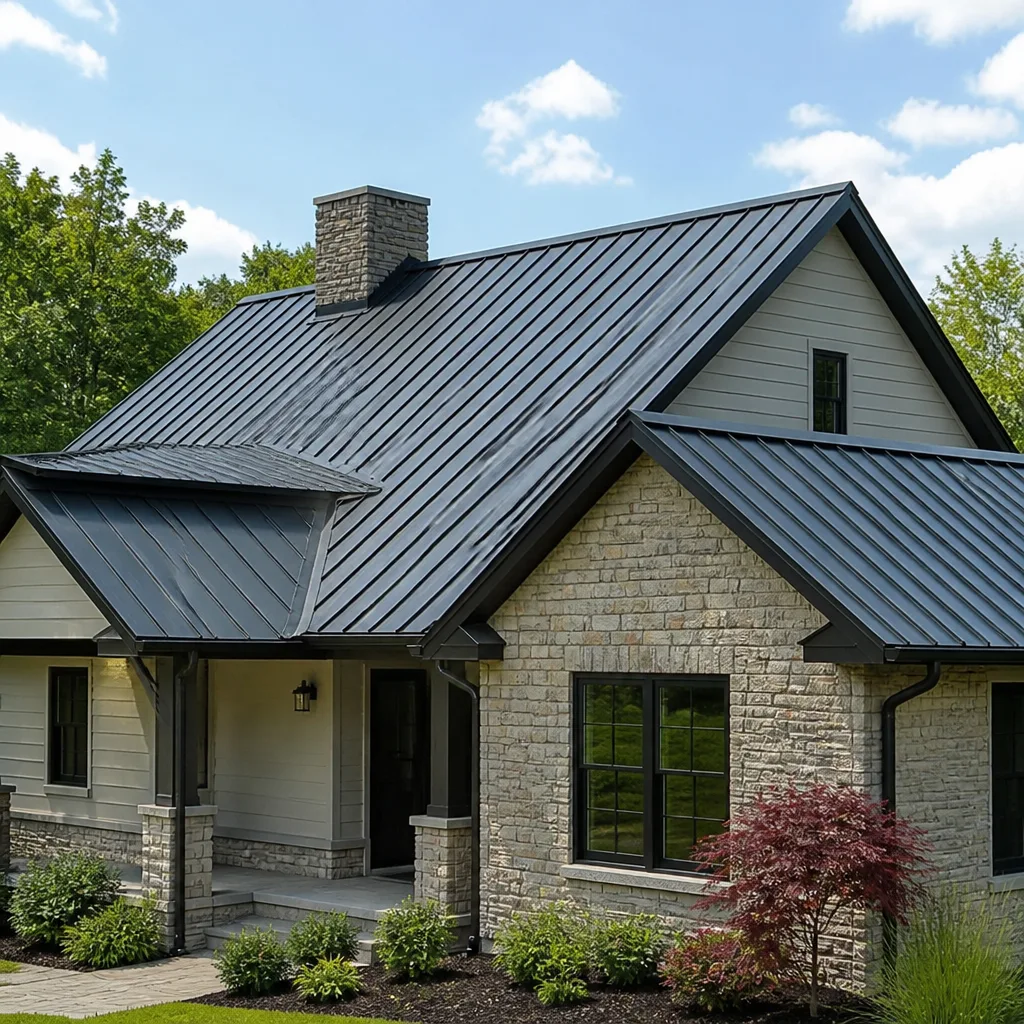 Metal roofing
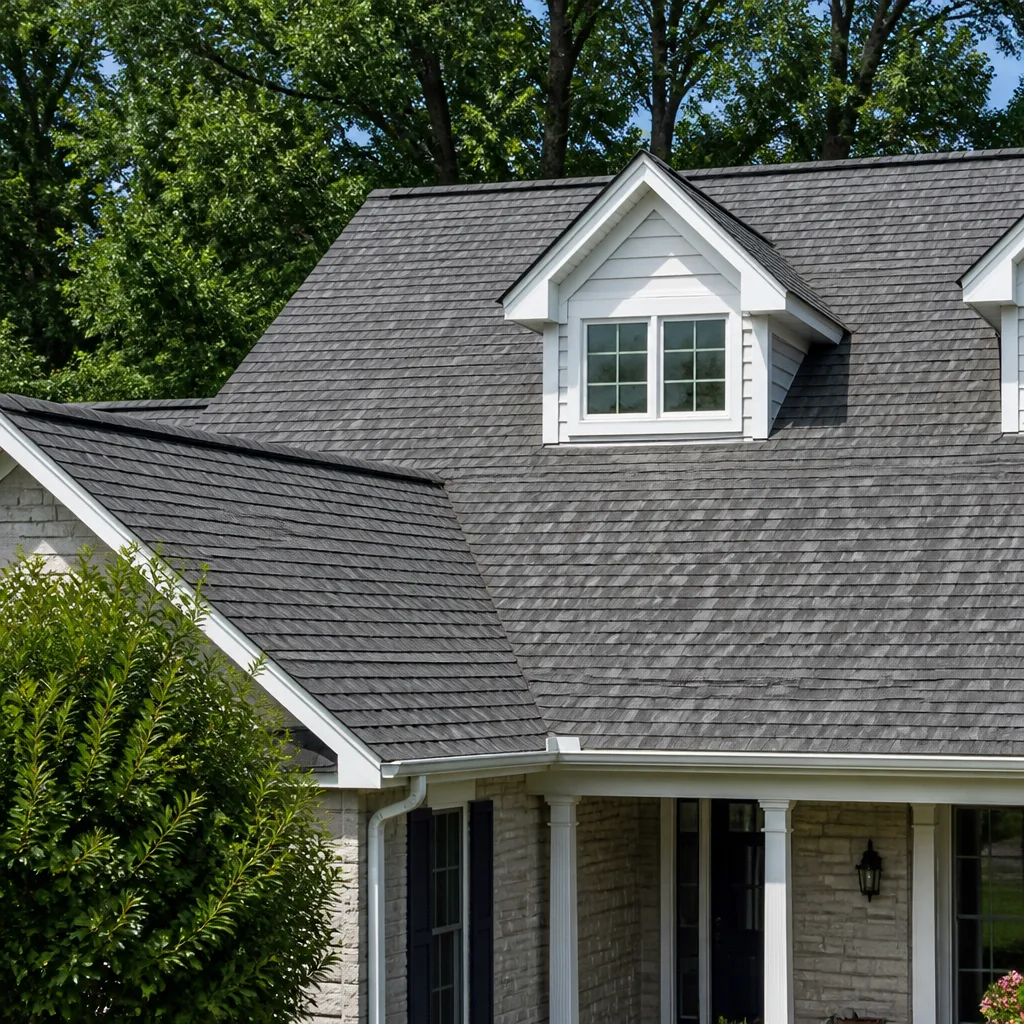 Architectural shingles
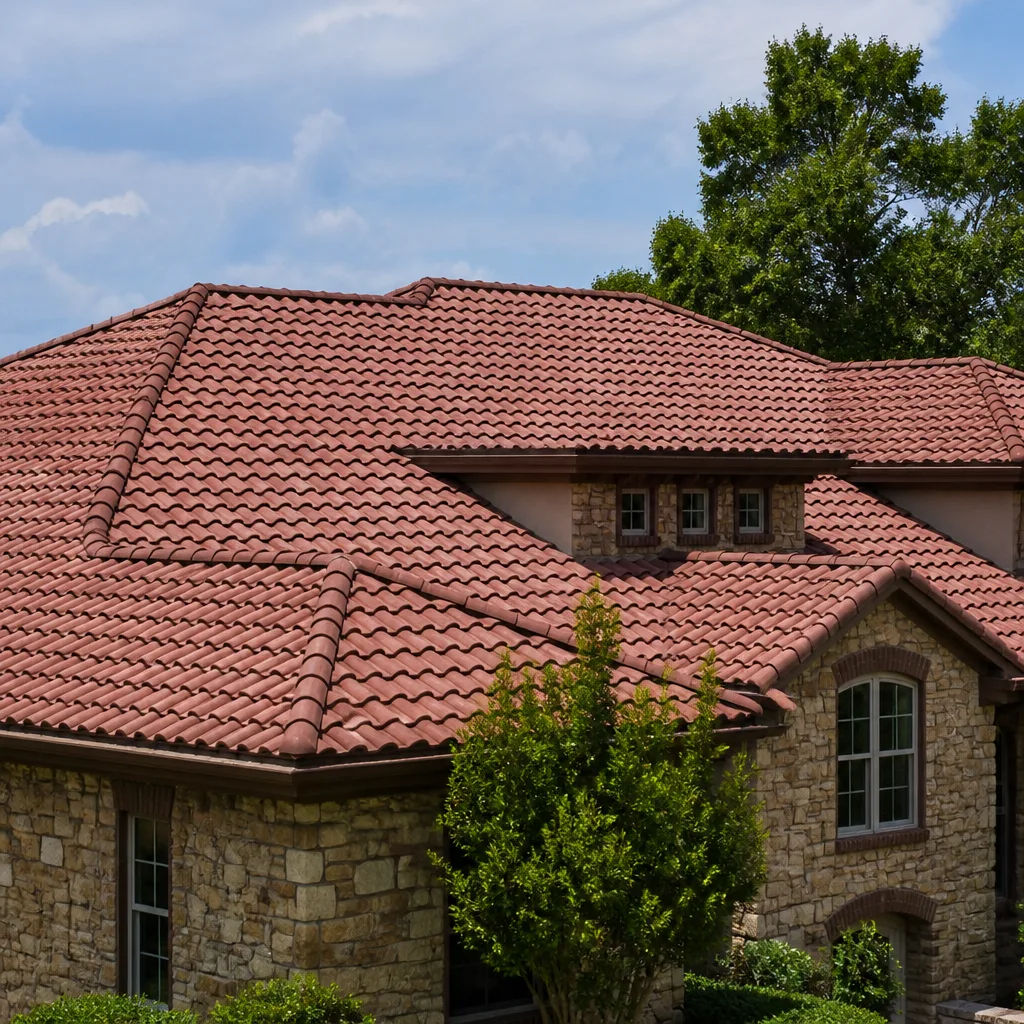 Tile roofing
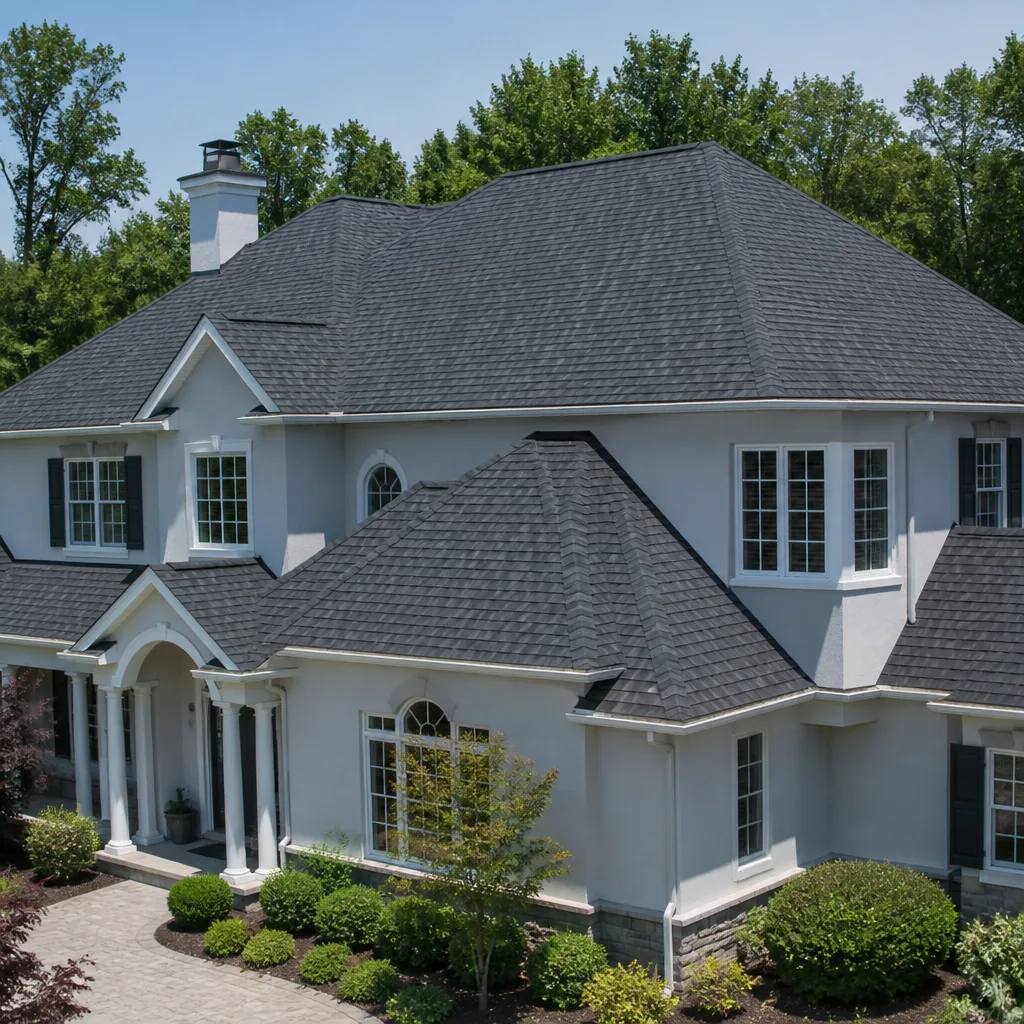 GAF
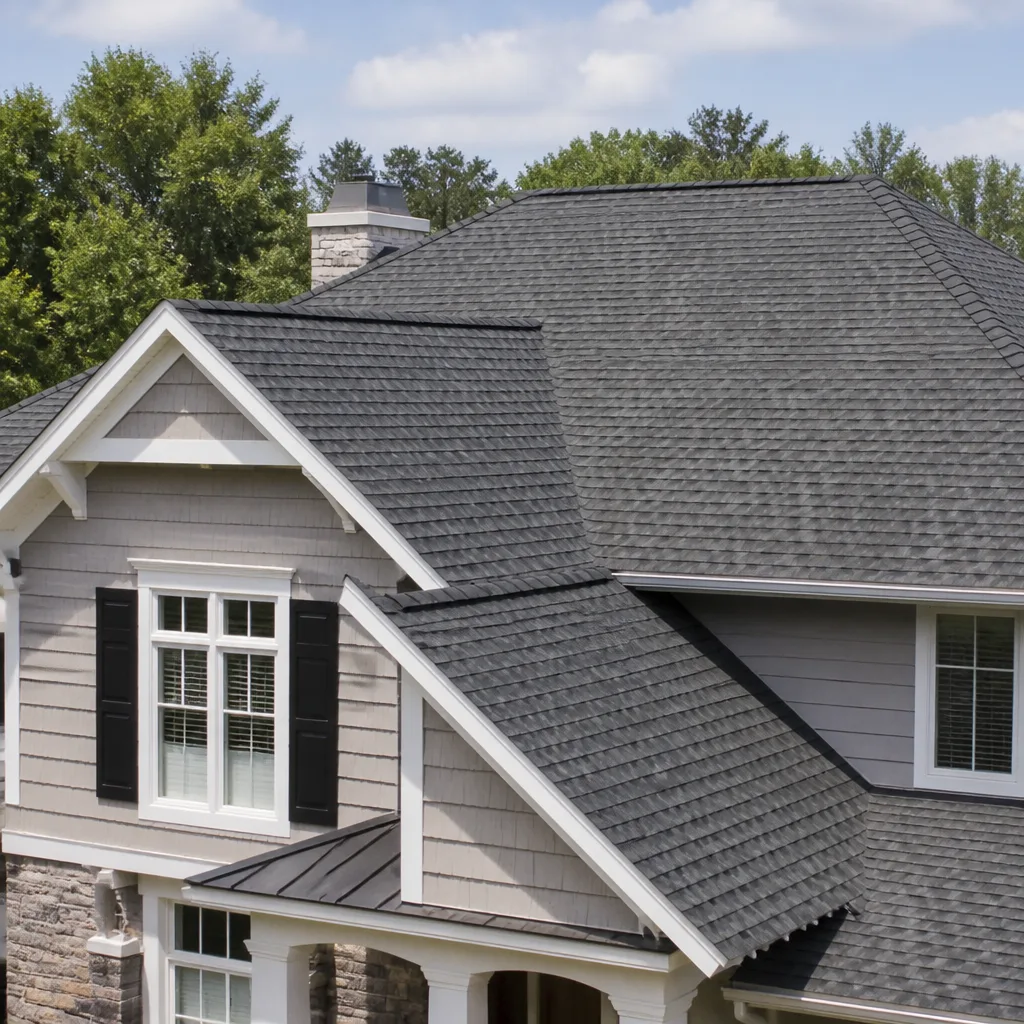 Owens Corning
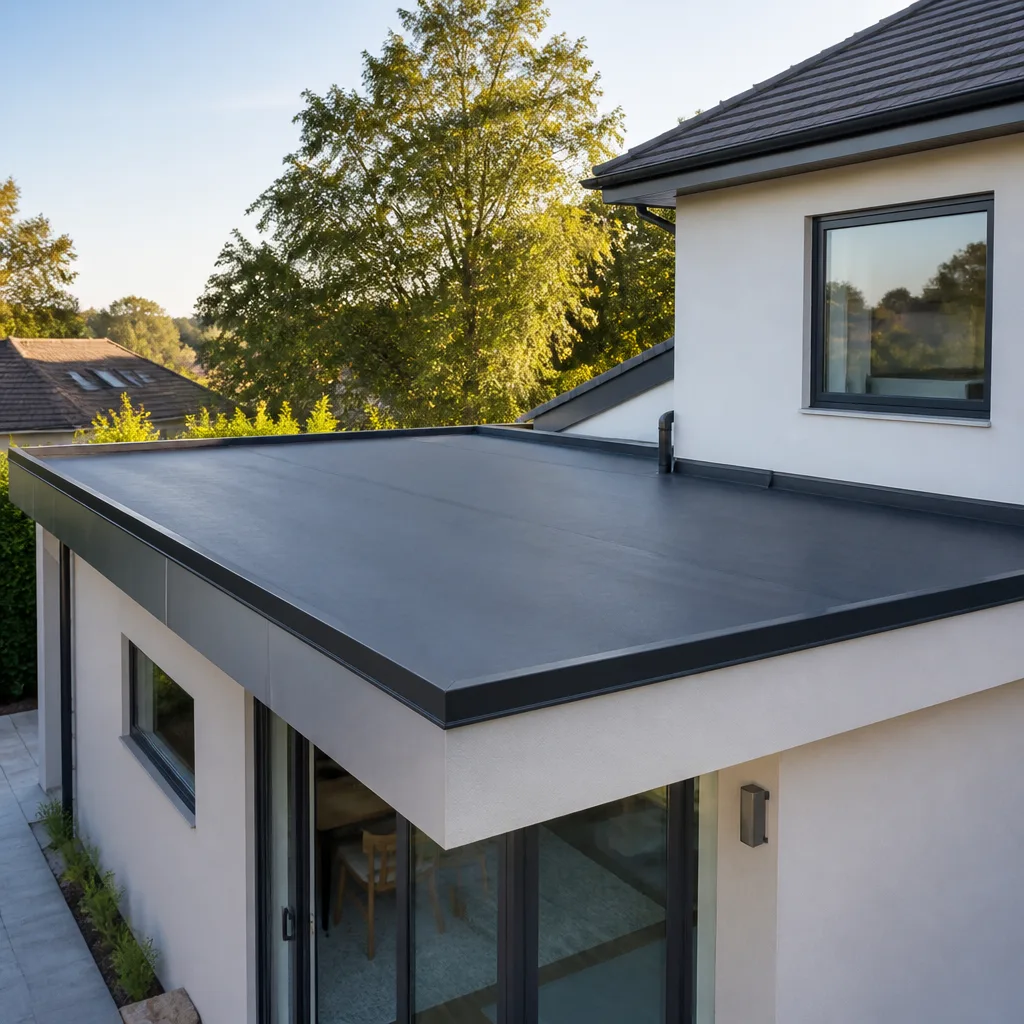 Flat & low-slope
Free roof inspection with deck photos before we talk money - GAF and Owens Corning certified installation
Roofing Cost Breakdown: The Downey Homeowner’s Reference for 2026
Two roofing bids for the same Downey ranch house can differ by $5,000 and both be technically accurate. One contractor assumes zero decking replacement. The other includes a realistic allowance for rotted plywood under a 60-year-old roof. Neither will volunteer that distinction unprompted. This guide and our Roofing Warning Signs: A Downey Homeowner’s Reference Guide explain what actually drives roofing costs in Downey in 2026, line by line, so you can compare bids intelligently instead of choosing blindly. You’ll learn where material costs vary by brand, how warranty tiers shift pricing, what permits actually cost when the city charges by valuation, and how to read competing bids as a diagnostic tool rather than a haggling script. If you’ve ever wondered why one Downey roofer quotes $9,400 and another quotes $15,800 for what looks like the same job, you’re about to find out.
Styles & brands we work with
Quick Answer
A full roof replacement on a typical 1,400 to 1,800 square foot Downey home runs $9,000 to $18,000 in 2026, with most homeowners landing between $11,500 and $14,500 for architectural shingles over standard underlayment. The gap between the low and high end comes almost entirely from four variables: underlayment grade, flashing material, decking replacement allowance, and manufacturer warranty tier. Labor accounts for 55% to 65% of any Downey roofing bid regardless of shingle brand.
Table of Contents
- The Anatomy of a Downey Re-Roof Bid: Line by Line
- How Shingle Brand and Warranty Tier Change the Price
- Decking Replacement Costs: OSB, Plywood, and the Pre-1970 Problem
- What Downey Permits Actually Cover and What They Cost
- Using Competing Bids as a Diagnostic Tool
- Six Hidden Cost Drivers Most Downey Homeowners Never See
- Repair vs. Replacement: The Real Numbers in Downey
- Common Mistakes to Avoid
- When to Call a Professional
- Frequently Asked Questions
- The Bottom Line
The Anatomy of a Downey Re-Roof Bid: Line by Line
Most Downey homeowners receive bids that look like a single number with maybe three or four line items underneath. A proper roofing bid should break down into at least eight distinct categories. Here’s what each line covers, what it should cost in Downey’s market, and what looks suspicious when it’s too low.
Tear-Off and Disposal
Removing the existing roof and hauling it away typically runs $1,800 to $3,200 for a single-story Downey home, depending on layers. If your home still has its original 1970s wood shake or a second layer of composition shingles over the first, add $600 to $1,200 for the extra labor and dump fees. A bid that lists tear-off under $1,500 for a full-size ranch probably isn’t accounting for the actual weight. Downey’s mild climate means less water weight in old roofing, but two-layer tear-offs still produce 8 to 12 tons of debris on a 1,500 square foot roof.
Underlayment
This is where bids diverge sharply. Standard #30 felt runs $0.15 to $0.25 per square foot installed. Synthetic underlayment like Owens Corning Deck Defense or CertainTeed DiamondDeck runs $0.35 to $0.55 per square foot installed. On a 2,000 square foot roof area, that’s a $400 to $600 difference. But synthetic underlayment resists tearing during installation, provides better secondary water protection, and weighs about a third of felt. In Downey, where summer heat can bake a roof at 140+ degrees surface temperature, synthetic underlayment also holds up better against thermal cycling. A bid that lists “underlayment” without specifying felt or synthetic, and without naming the brand, is hiding a cost variable.
Flashing
Flashing material matters more than most homeowners realize. Standard galvanized steel flashing costs $250 to $500 for a typical Downey home with two valleys, a chimney, and a few vent pipes. Upgrading to aluminum or copper adds $300 to $1,800 depending on scope. Galvanized steel in coastal-adjacent air like Downey’s, which sits 12 miles inland but still catches marine layer mornings, will corrode faster than aluminum. A low bid that specifies “standard flashing” is almost always galvanized steel. Ask the question directly: “What material is the flashing, and what’s the expected lifespan?”
Decking Allowance
Every responsible Downey roofing bid should include a per-sheet allowance for decking replacement. The industry standard is 2 to 4 sheets included, with additional sheets billed at $80 to $120 each for OSB, or $95 to $140 each for plywood. A bid with zero decking allowance is a red flag, unless your roof deck was recently replaced. On homes built before 1970 in Downey’s older tracts north of Firestone Boulevard, original decking is often 1×6 boards or early plywood that may have dry rot around pipe penetrations and eaves.
Ridge Cap and Starter Strips
These components are frequently omitted from low bids as a way to make the number look competitive, then added back as change orders. Ridge cap shingles cost $200 to $450 installed for a standard ranch. Starter strips add $150 to $300. If these lines don’t appear on your bid, ask where they are. A roof without proper starter strips voids most manufacturer warranties.
Ventilation
Downey’s hot summers make attic ventilation a functional issue, not a nice-to-have. Replacing existing box vents or adding ridge vent runs $150 to $600 depending on configuration. If your bid includes “new ventilation” without specifying type and quantity, get it in writing. Improper ventilation shortens shingle life and can void warranty claims on premature granule loss.
Our Seacrest Roofing home page explains how we approach complete roof assessments, and our Roof Replacement in Los Alamitos service page shows the same line-item discipline applied to neighboring communities.
How Shingle Brand and Warranty Tier Change the Price
Shingle brand affects price in three ways: the product cost itself, the warranty registration requirements, and the installer certification status. A homeowner who doesn’t understand the third variable can pay premium pricing for a product installed without premium warranty coverage.
The Material Cost Spread
Entry-level 3-tab shingles have largely disappeared from quality bids in Downey, but they still exist at $2.50 to $3.50 per square foot installed. Architectural shingles dominate the Downey market at $4.50 to $7.00 per square foot installed, depending on brand and line. Designer and impact-resistant products from CertainTeed Grand Manor, Owens Corning Berkshire, or Atlas StormMaster Shake run $7.50 to $12.50 per square foot installed.
Here’s where brand matters. A standard architectural shingle from IKO, Atlas, or Tamko typically prices 10% to 20% below a comparable CertainTeed Landmark or Owens Corning Duration product. That’s not a quality judgment. It’s a market positioning difference. IKO and Atlas compete aggressively on value. CertainTeed and Owens Corning command higher prices because of brand recognition and distribution economics. The real cost difference comes when you compare warranty tiers within the same brand.
Warranty Tier Math
A 30-year architectural shingle from Atlas costs roughly $4.80 to $5.50 per square foot installed in Downey. The same contractor installing a 50-year Atlas StormMaster product will charge $6.50 to $8.00 per square foot installed. That’s not because the shingle costs 40% more at the distributor. It’s because the 50-year product requires a specific underlayment spec, specific flashing details, and often a manufacturer inspection before the enhanced warranty is valid. The installer is charging for the compliance burden, not just the material.
CertainTeed’s Golden Pledge and Diamond Pledge warranties add labor coverage and workmanship guarantees, but they typically require installation by a CertainTeed-certified contractor and often include a manufacturer inspection. If a Downey homeowner gets a CertainTeed Landmark bid from a non-certified roofer, that roofer can only offer the standard 10-year SureStart protection, not the enhanced warranties. The price difference between certified and non-certified installation of the same shingle can run $800 to $2,000 on a full replacement. That’s the cost of warranty legitimacy.
We stock and install across seven manufacturers, GAF, CertainTeed, Owens Corning, IKO, Atlas, Tamko, and Boral, specifically so Downey homeowners aren’t pushed into a single brand’s warranty structure. When we inspect a roof, we diagnose the condition first and then match the product to the problem. That means you hear an honest recommendation, not a sales pitch for whatever single brand the contractor happens to carry.
Decking Replacement Costs: OSB, Plywood, and the Pre-1970 Problem
Decking replacement is the single largest variable cost on a Downey re-roof, and it’s the line item most likely to blow up a fixed bid. Here’s what you need to know about the materials, the costs, and how to estimate your exposure before signing.
OSB vs. Plywood: The Real Difference
Oriented strand board (OSB) costs less than plywood, $0.45 to $0.60 per square foot for the material versus $0.65 to $0.85. Installed, with labor and disposal of the old decking, OSB runs $80 to $120 per 4×8 sheet in Downey, while plywood runs $95 to $140. The practical difference is water resistance. Plywood dries out after getting wet. OSB swells at the edges and loses structural integrity faster when exposed to moisture repeatedly.
For most Downey homes, OSB is perfectly adequate if the roof system is well-ventilated and the underlayment is synthetic. Plywood makes more sense for older homes with past leak issues, shallow-pitch roofs that pond water during winter rains, or any scenario where the deck may see repeated moisture exposure. A conscientious roofer will discuss this tradeoff openly rather than defaulting to OSB because it’s cheaper.
The Pre-1970 Exposure Risk
Downey’s housing stock skews older. The neighborhoods south of Florence Avenue and east of Paramount Boulevard include thousands of homes built between 1948 and 1968, many with original decking still in place. That decking has survived 50 to 70 Downey summers with heat that accelerates wood drying and cracking. When we tear off a roof on a 1962 ranch in the Golden Park neighborhood, we expect to replace 20% to 40% of the decking because original 1×6 boards have split along the grain or rotted at the eaves from decades of gutter splash-back.
Estimate your exposure this way: if your home is pre-1970 with original decking, budget for 8 to 15 sheets of replacement. At $100 per sheet average, that’s $800 to $1,500 that a responsible bid should include as an allowance. If a contractor bids zero decking allowance on a 60-year-old Downey home, assume the final price will climb once the tear-off reveals the reality.
What Downey Permits Actually Cover and What They Cost
The City of Downey requires a building permit for roof replacement, and our Roofing Permits, Codes & Inspections in CA: What You Need to Know explains how the permit fee is calculated on the declared project valuation. This creates an incentive for contractors to under-declare the job value, which reduces your permit fee but also reduces the city’s inspection baseline. Here’s how it works in practice.
Permit Fee Structure
Downey uses a valuation-based fee schedule. A $12,000 roof replacement typically triggers a permit fee of $180 to $350, depending on current city multipliers. A $16,000 declared valuation pushes the fee to $250 to $450. The difference is modest, but some contractors shave the declared valuation to make their bid look cheaper. The problem isn’t the $70 savings. It’s that the building inspector reviews the job against the declared scope. A $4,000 undervaluation can mean an inspector who doesn’t verify the full scope of underlayment or flashing upgrades you actually paid for.
Ask your contractor: “What valuation are you declaring on the permit application?” A legitimate roofer answers without hesitation. If the answer is vague or the bid lists “permit allowance” without a specific number, that’s a signal the permit line is a placeholder, not a real cost.
Inspection Timing
Downey requires a mid-installation inspection for most roof replacements, specifically to check underlayment and flashing before shingles go on. This means your roofer has to schedule around city inspector availability, typically same-week in Downey’s current permitting cycle. A bid that doesn’t account for inspection scheduling, meaning the crew may be off the roof for a day waiting on the city, is underestimating the job’s true timeline and possibly its labor cost.
Using Competing Bids as a Diagnostic Tool
Most Downey homeowners treat multiple bids as a negotiation tool: take the lowest, use it to pressure the others. That approach ignores the real value of bid comparison, which is diagnosis. When two bids differ by $4,000, the divergence tells you something specific about what each contractor sees or assumes. Here’s how to read the gap.
- Compare the decking allowance line. If one bid includes 4 sheets and another includes zero, the second contractor either overlooked a known risk or plans to bill it as a change order. Assume the zero-allowance bid will climb.
- Compare underlayment specifications. If Bid A says “#30 felt” and Bid B says “synthetic, brand-named,” that’s a $400 to $600 material difference on a typical ranch. The felt bid isn’t wrong. It’s just cheaper, with a shorter effective service life.
- Compare flashing scope. Count the specific flashing locations in each bid. Chimney, valleys, wall intersections, skylights if present, vent pipes. A bid that lists “reflash as needed” without specifying locations is leaving room for interpretation.
- Compare warranty language. “Manufacturer warranty” means the shingle warranty only. “Manufacturer warranty plus 5-year workmanship” is a different product. Enhanced warranty programs like CertainTeed Golden Pledge or Owens Corning Preferred Protection include labor coverage and typically require certified installation.
- Compare the permit line specifically. Is it a specific dollar amount or the word “included”? “Included” is fine if the contract later specifies the declared valuation. Without that, “included” means the contractor eats the variance, which means it’s baked into another line item anyway.
The goal isn’t to make every bid match. The goal is to understand why they don’t. When we walk a Downey homeowner through a bid comparison, whether it’s ours or a competitor’s, our Roof Inspection in Los Alamitos process starts with the same diagnostic principle: understand the actual roof condition before evaluating any price.
Six Hidden Cost Drivers Most Downey Homeowners Never See
Beyond the standard line items, our Roofing Emergency Preparedness Guide for Downey Homes covers several Downey-specific factors that quietly move the price of a re-roof. None of these are surprises to an experienced local roofer, but none of them appear on a typical bid either.
- Roof pitch. Downey ranch homes with 4/12 or 5/12 pitch are cheaper to roof than the occasional two-story with 8/12 or steeper sections. Steeper pitches require fall protection, slower production, and higher labor cost. A 6/12 roof costs 15% to 25% more in labor than a 4/12.
- Access constraints. Homes on narrow lots, common in Downey’s older tracts, may require debris containers placed in the driveway rather than the street. If your street is narrow or your driveway is short, the roofer needs a smaller container or a conveyor setup, adding $200 to $600.
- Tree overhang. Mature pepper trees and magnolias are common in Downey yards. Branches over the roof slow down tear-off and shingle installation, and may require trimming before work starts. A roofer who sees tree coverage will price the labor accordingly.
- Skylights. If your Downey home has skylights, reflashing them properly costs $250 to $700 each depending on the curb or deck-mounted configuration. Cheaper bids often skip this line and leave the old flashing in place, which is the most common source of post-replacement leaks.
- Existing roof layers. If your home has two layers of composition shingles, which is legal in some older Downey neighborhoods, tear-off labor increases by 30% to 50% and disposal weight doubles. A bid based on a single-layer assumption will be materially wrong on a two-layer roof.
- HOA requirements, if applicable. A small number of Downey neighborhoods have active HOAs with architectural guidelines on shingle color or material. Matching a specific color from a specific manufacturer can limit your product options and occasionally raise material cost by requiring a designer line rather than a standard architectural shingle.
Repair vs. Replacement: The Real Numbers in Downey
Not every Downey roof problem requires a full replacement. The decision comes down to three questions the roofing industry doesn’t always ask honestly, because a repair generates far less revenue than a replacement. Here’s the math.
When Repair Is the Right Call
A localized leak around a pipe boot, a flashing failure at a single valley, or storm damage to a 10-square-foot section is typically a repair job. In Downey, roof repairs run $450 to $1,600 for most scoped issues. If your roof is relatively young, meaning under 12 to 15 years old, and the decking in the affected area hasn’t rotted, repair is the financially responsible choice. That’s the “repair-first philosophy” we operate on: our Roof Repair in Los Alamitos service exists as a primary offering, not as a lead-in to a replacement pitch.
The Replacement Threshold
When granule loss is widespread, shingles are curling at the corners across multiple slopes, or you count more than three repair locations in a single year, replacement starts making economic sense. The rough threshold is $2,500 in cumulative repairs over 24 months on a roof older than 18 years. At that point, you’re funding a new roof in installments without getting the new-roof warranty. In Downey’s climate, where UV exposure and summer heat accelerate shingle aging, the average architectural shingle roof lasts 18 to 25 years before granule loss becomes functionally significant, well short of the 30-year marketing label.
Common Mistakes to Avoid
- Choosing a bid based on the bottom line alone. A $9,400 bid without decking allowance, brand-named underlayment, or specified flashing material will likely cost $13,000 by the time change orders are settled. Compare line items, not totals.
- Not asking what the permit valuation will be. Under-declared valuations reduce your permit fee by under $100 but can limit the inspection scope. Ask for the declared number in writing.
- Accepting “included” without a dollar amount. “Permits included” or “disposal included” or “flashing included” means the cost is hidden inside another line. A contractor who can’t show you the breakdown hasn’t actually priced the job.
- Ignoring the decking allowance. On a pre-1970 Downey home with original decking, a zero-allowance bid is a near-certain change order waiting to happen. Insist on a per-sheet allowance in writing.
- Confusing shingle warranty with workmanship warranty. A 30-year shingle warranty covers manufacturing defects. It does not cover installation errors. Ask specifically about workmanship coverage and who backs it.
- Not verifying installer certification for enhanced warranties. If you’re paying for CertainTeed or Owens Corning products with enhanced warranty expectations, verify the roofer is certified by that manufacturer. Non-certified installers can’t offer the enhanced programs.
- Assuming all underlayment is the same. The difference between #30 felt and synthetic underlayment is a few hundred dollars and several years of effective service life. In Downey’s heat and occasional heavy rain, it matters.
When to Call a Professional
Roof inspection and replacement involve ladder work on elevated surfaces, and a fall from even a single-story Downey ranch is a serious injury risk. If you’re seeing water stains on interior ceilings, granule accumulation in gutters, or shingle edges curling upward from the ground, don’t climb up to investigate. High-angle roof work, especially on two-story homes or any pitch steeper than 6/12, belongs with a trained professional who carries the right fall protection and knows how to walk a roof without causing further damage. Seacrest Roofing offers free estimates in Downey, call (855) 597-2817 to schedule one. We’ll assess the roof, explain what we find, and show you every material option that fits your home and budget.
Frequently Asked Questions
The average full roof replacement in Downey runs $11,500 to $14,500 for a 1,400 to 1,800 square foot single-story home with architectural shingles. Entry-level architectural products can bring the price under $10,000 on a smaller roof, while designer or impact-resistant products on a larger home can exceed $18,000. Call (855) 597-2817 for an exact quote on your specific roof, estimates are free.
Most Downey roof repairs fall between $450 and $1,600 depending on the scope. A simple pipe boot replacement runs on the lower end. A flashing failure at multiple valley intersections with decking repair runs higher. We provide written line-item quotes before any work begins, so you know exactly what you’re paying for.
There’s no single best brand. CertainTeed and Owens Corning command premium positions with strong enhanced warranty programs. IKO, Atlas, and Tamko offer excellent value at lower price points. The right answer depends on your budget, aesthetic preference, and how long you plan to stay in the home. We stock and install across seven manufacturers, so your recommendation comes from comparison, not from a single-brand sales pipeline.
Decking replacement costs $80 to $120 per 4×8 sheet for OSB and $95 to $140 for plywood, including removal of the old decking. Homes built before 1970 with original decking often need 8 to 15 sheets replaced, adding $800 to $1,800 to the total job. A responsible bid includes a decking allowance; ask for one in writing. Call (855) 597-2817 for an assessment that includes a realistic decking exposure estimate.
It depends on the bid structure. A bid with a zero decking allowance will almost certainly increase once the old roof is removed and damaged decking is exposed. A bid with a specific per-sheet decking allowance, named underlayment, and specified flashing material should stay within a few hundred dollars of the quoted price. Ask whether your bid includes a decking allowance with per-sheet pricing before you sign. We quote fixed prices with written allowances so there are no vague change orders.
A typical single-story Downey ranch roof replacement takes 2 to 4 days from tear-off to final inspection, depending on weather, decking replacement volume, and city inspection scheduling. Larger two-story homes or steep-pitch roofs extend to 4 to 7 days. The mid-installation inspection required by the City of Downey may add a day to the timeline.
The Bottom Line
The difference between a $9,000 and a $16,000 roofing bid in Downey is rarely about labor. It’s about underlayment grade, flashing material, decking replacement allowances, and warranty structure. A low bid that omits these details isn’t cheaper. It’s incomplete. The smartest approach is to get three bids, compare the line items side by side, and ask each contractor to explain the differences in writing; you can also explore more guides & resources on our blog. Seacrest Roofing provides the same comparison service, including access to shingles from seven manufacturers so you’re choosing from the full material catalog, not a single brand’s inventory. Call (855) 597-2817 to schedule your free estimate in Downey and get a bid that tells you exactly what your roof needs.
Written by the team at Seacrest Roofing, serving Downey since 2018.
See the difference
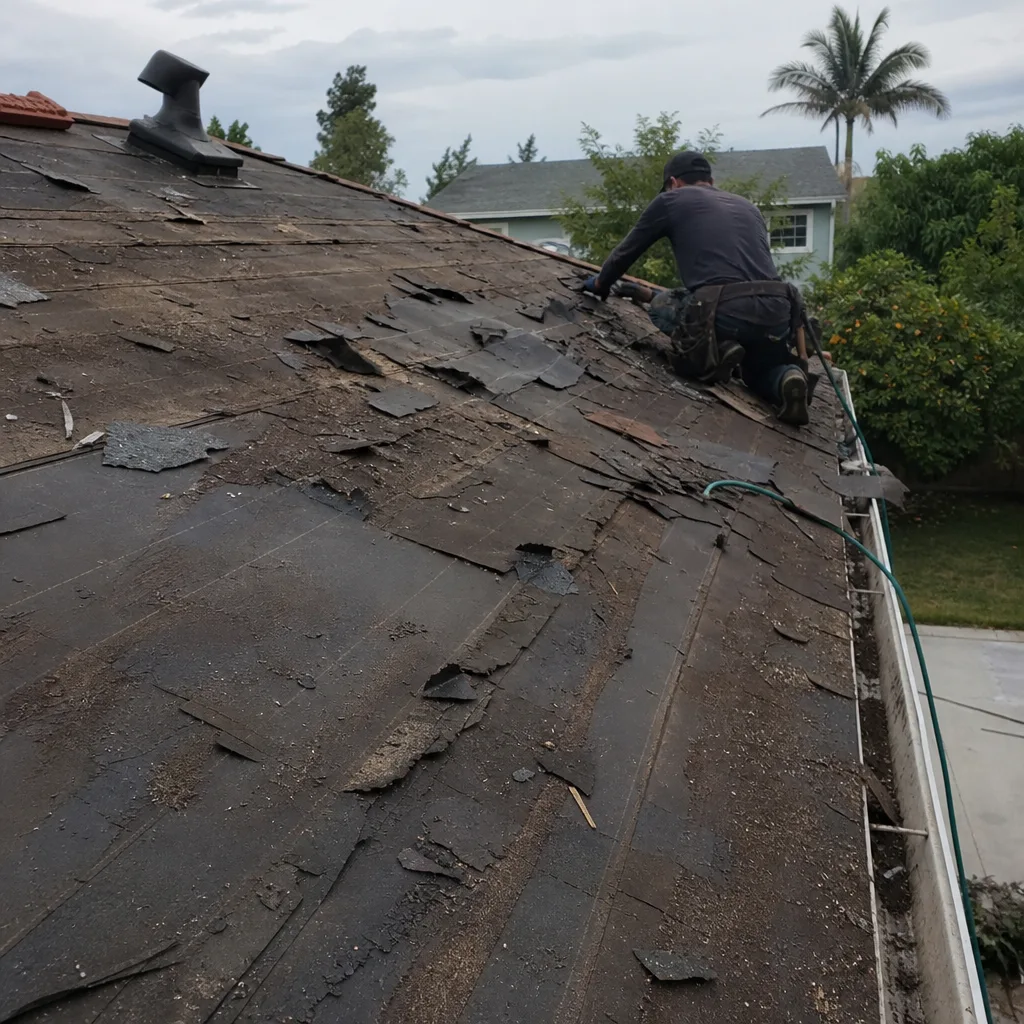 Before
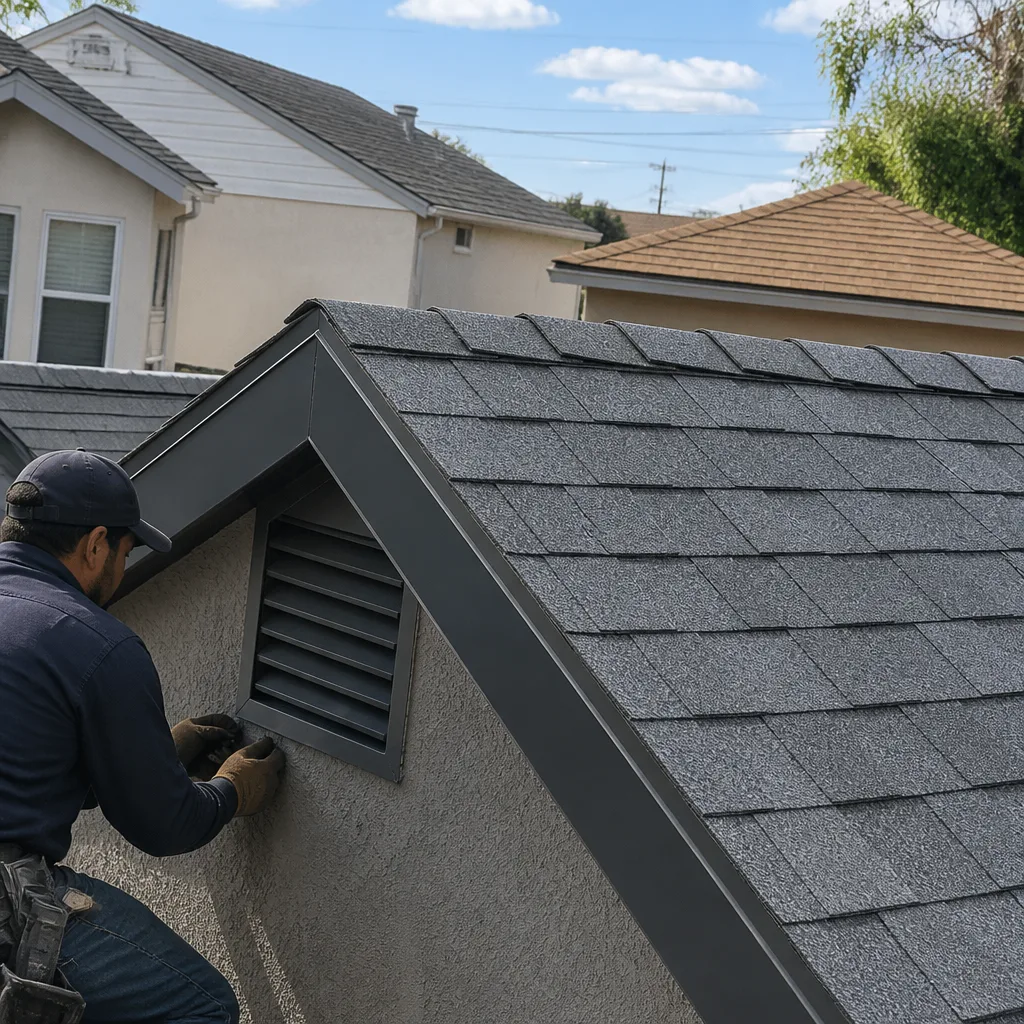 After
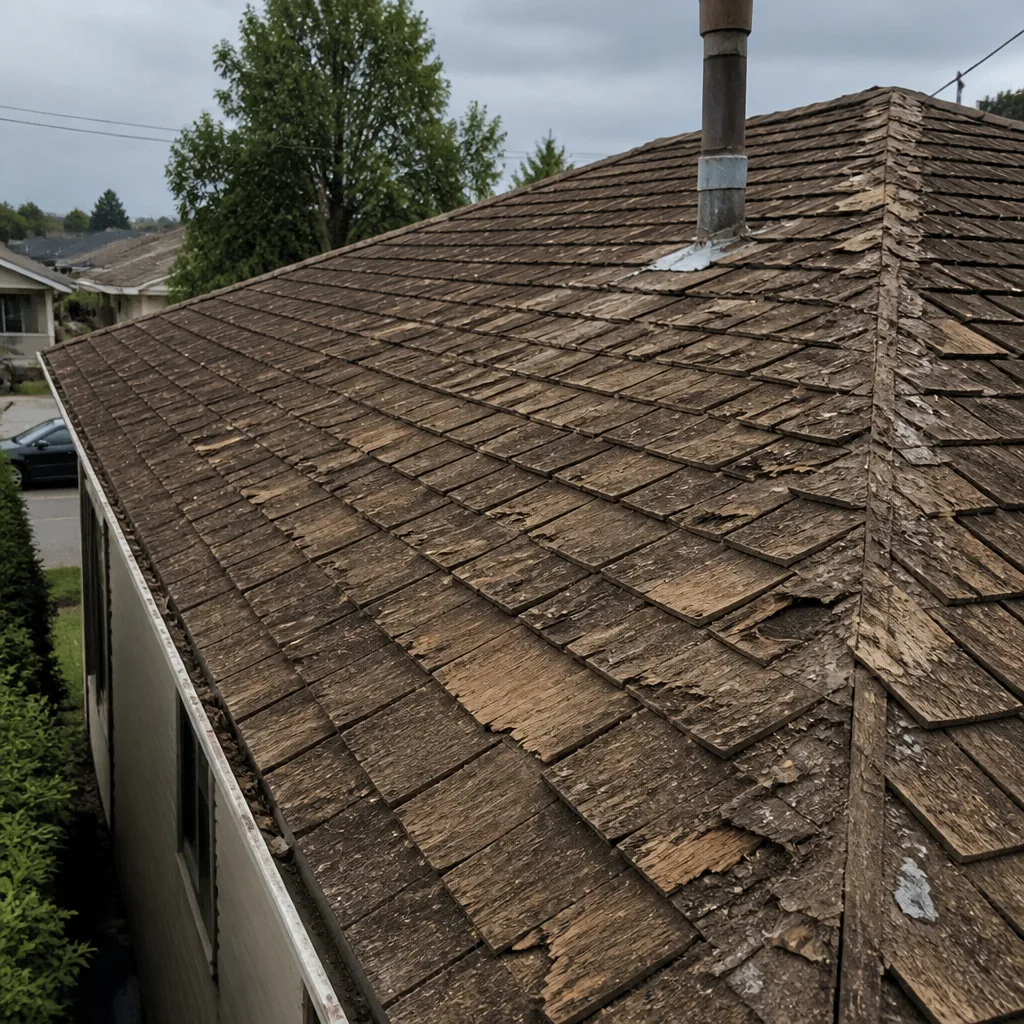 Before
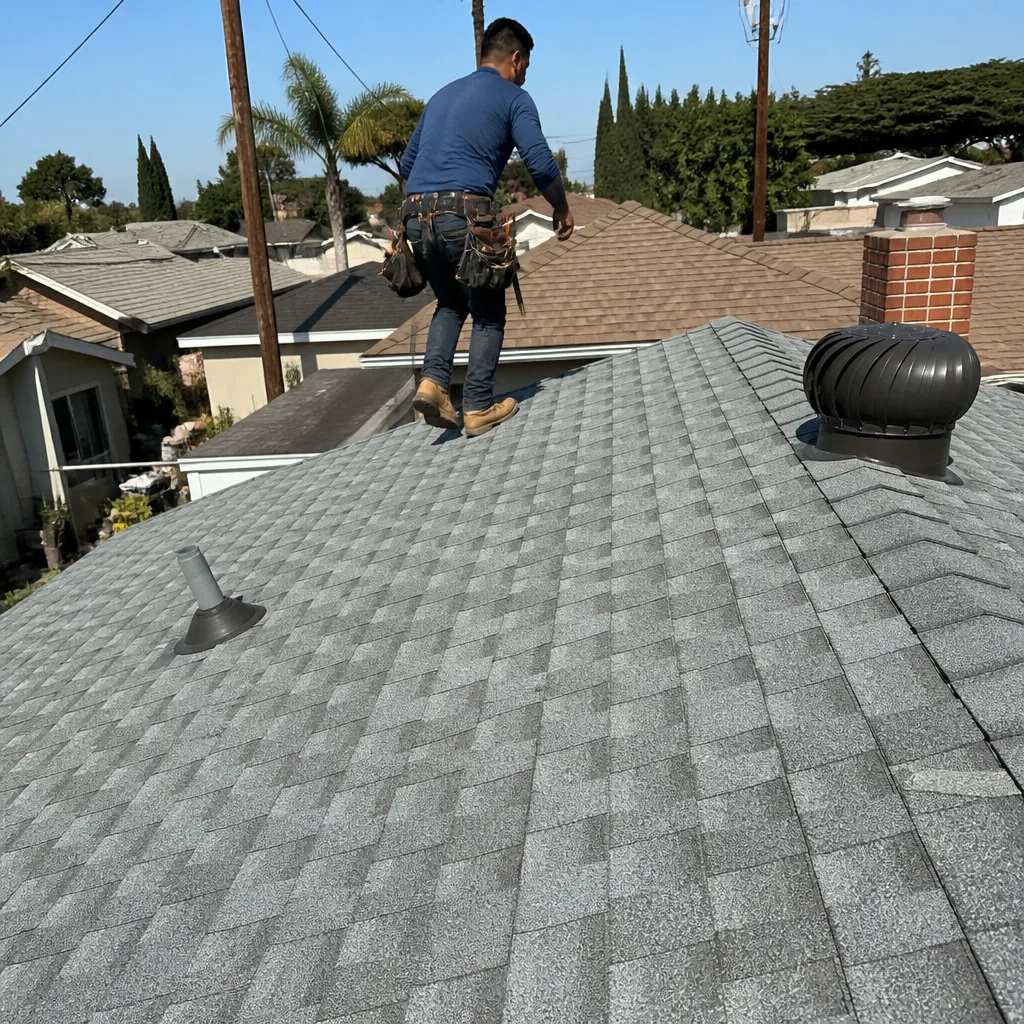 After
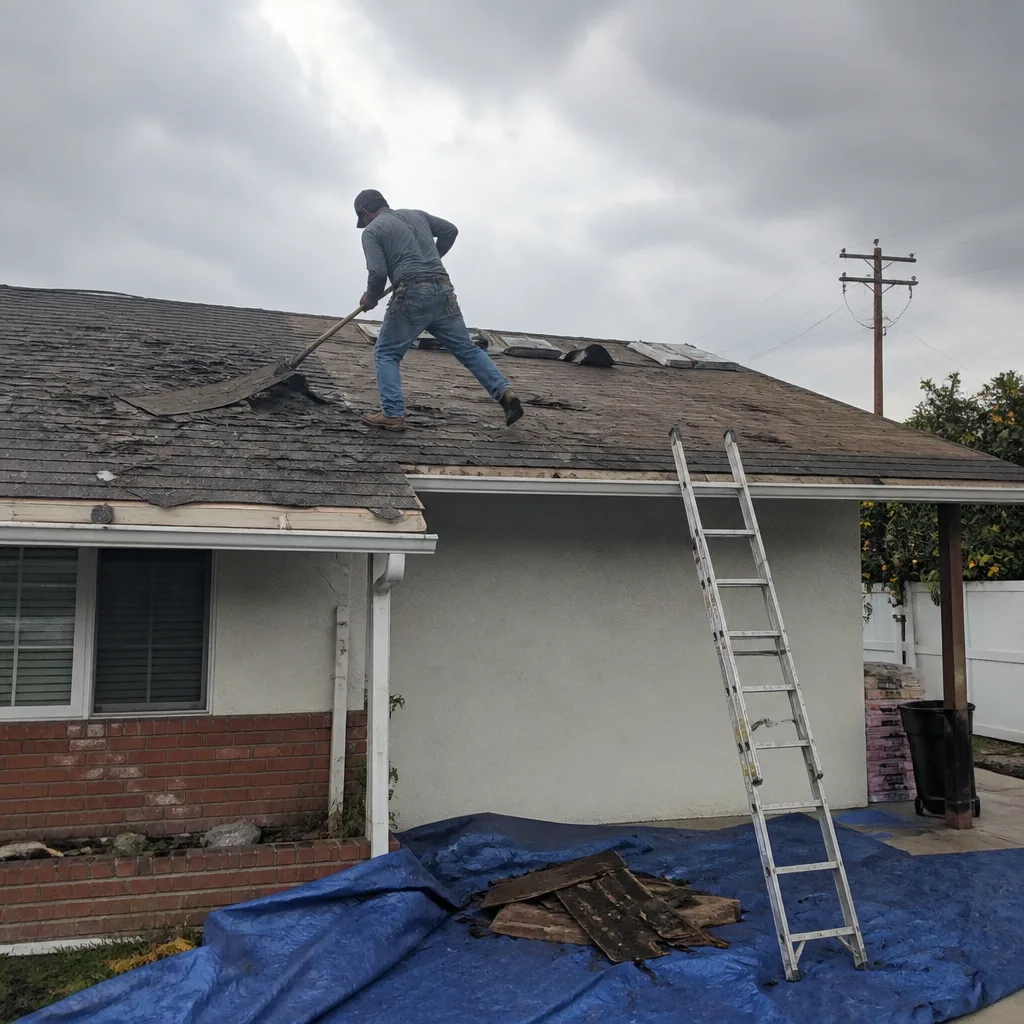 Before
 After