
Last updated October 31, 2026
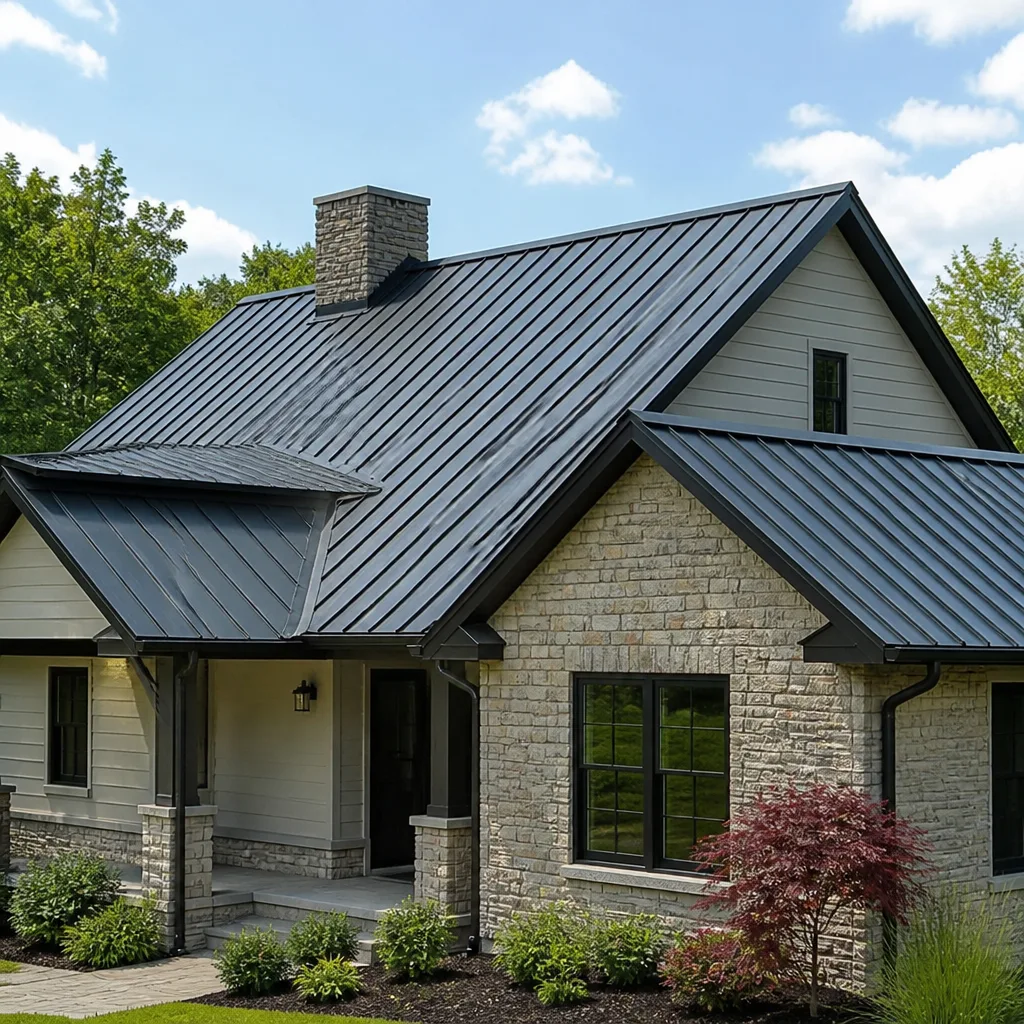 Metal roofing
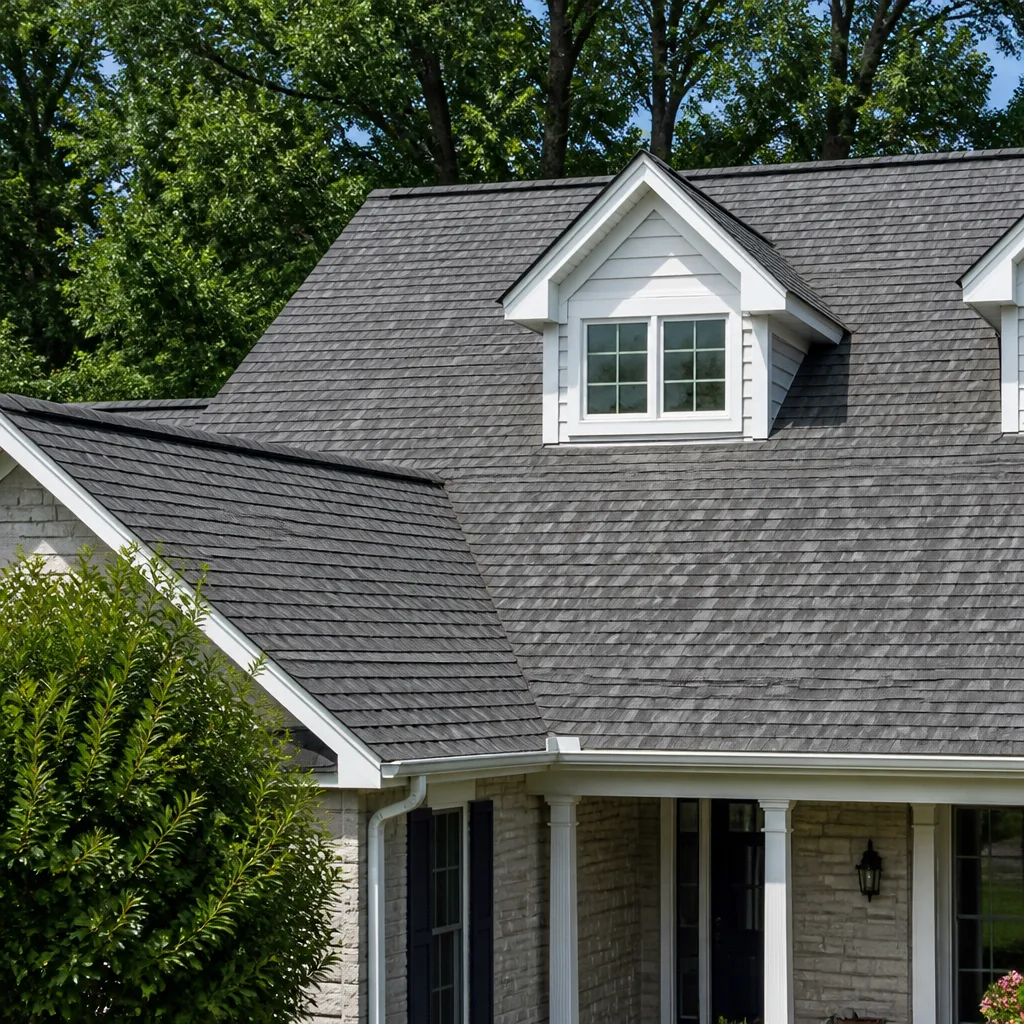 Architectural shingles
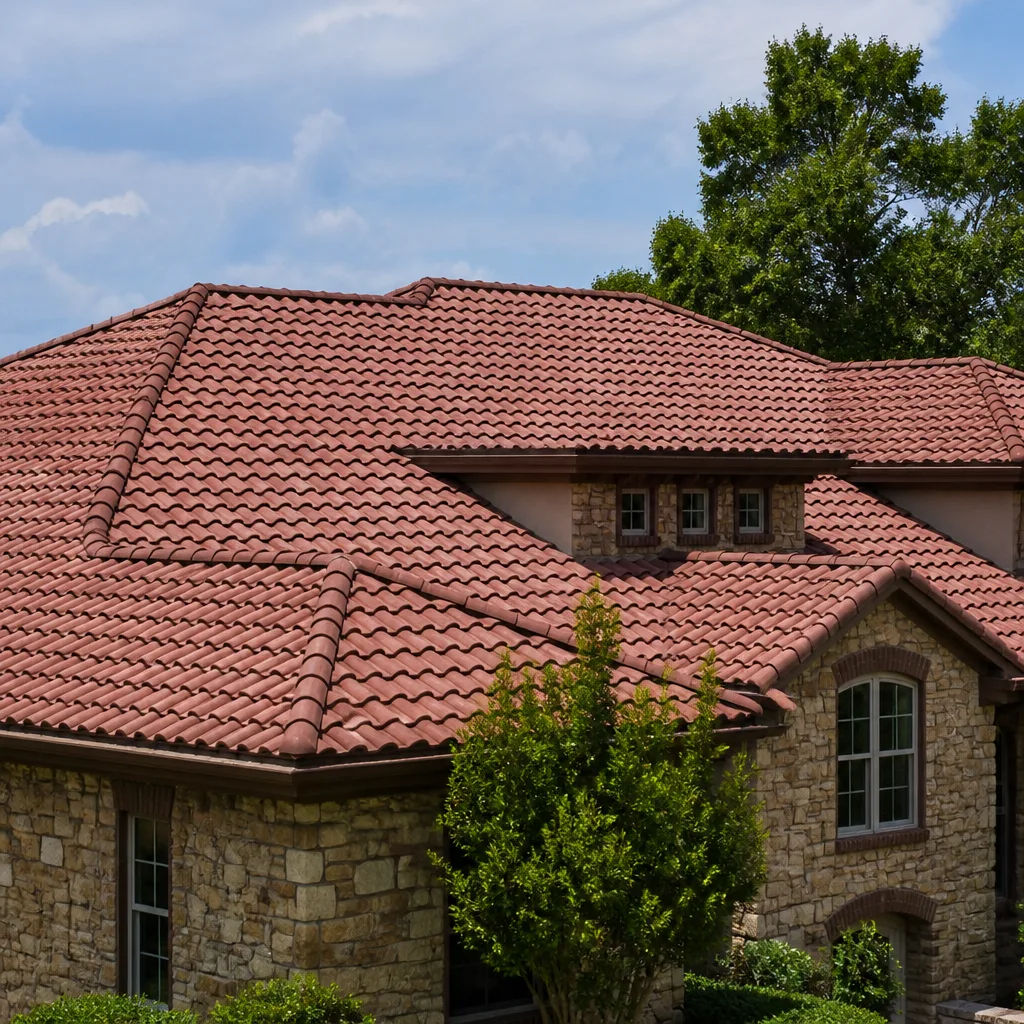 Tile roofing
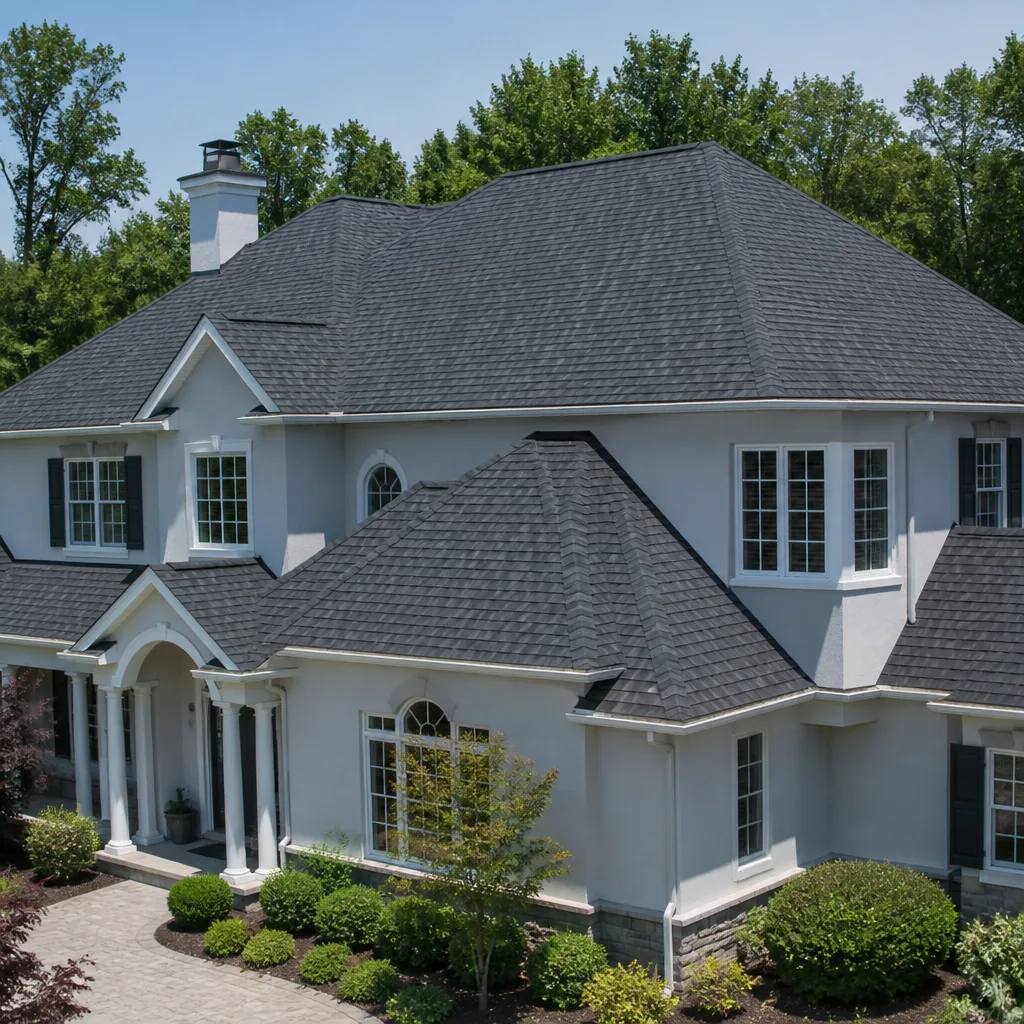 GAF
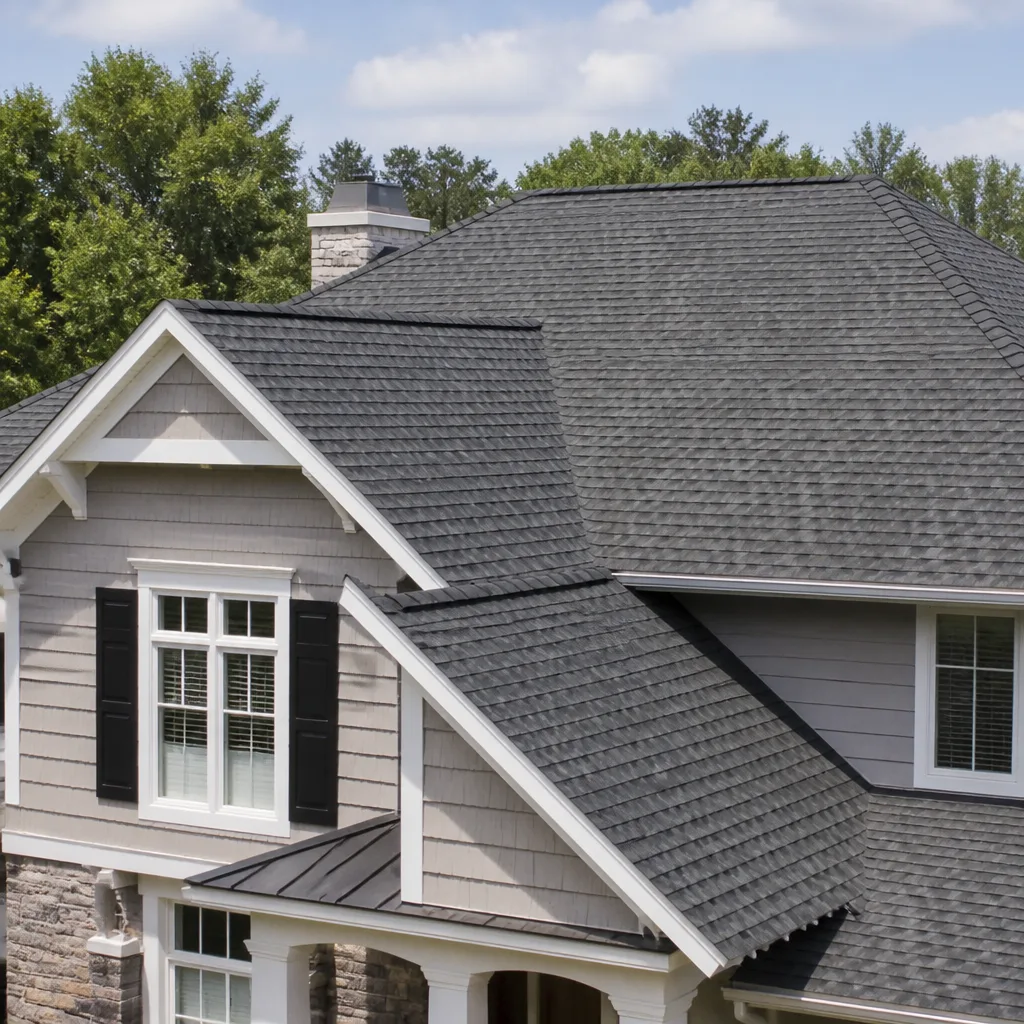 Owens Corning
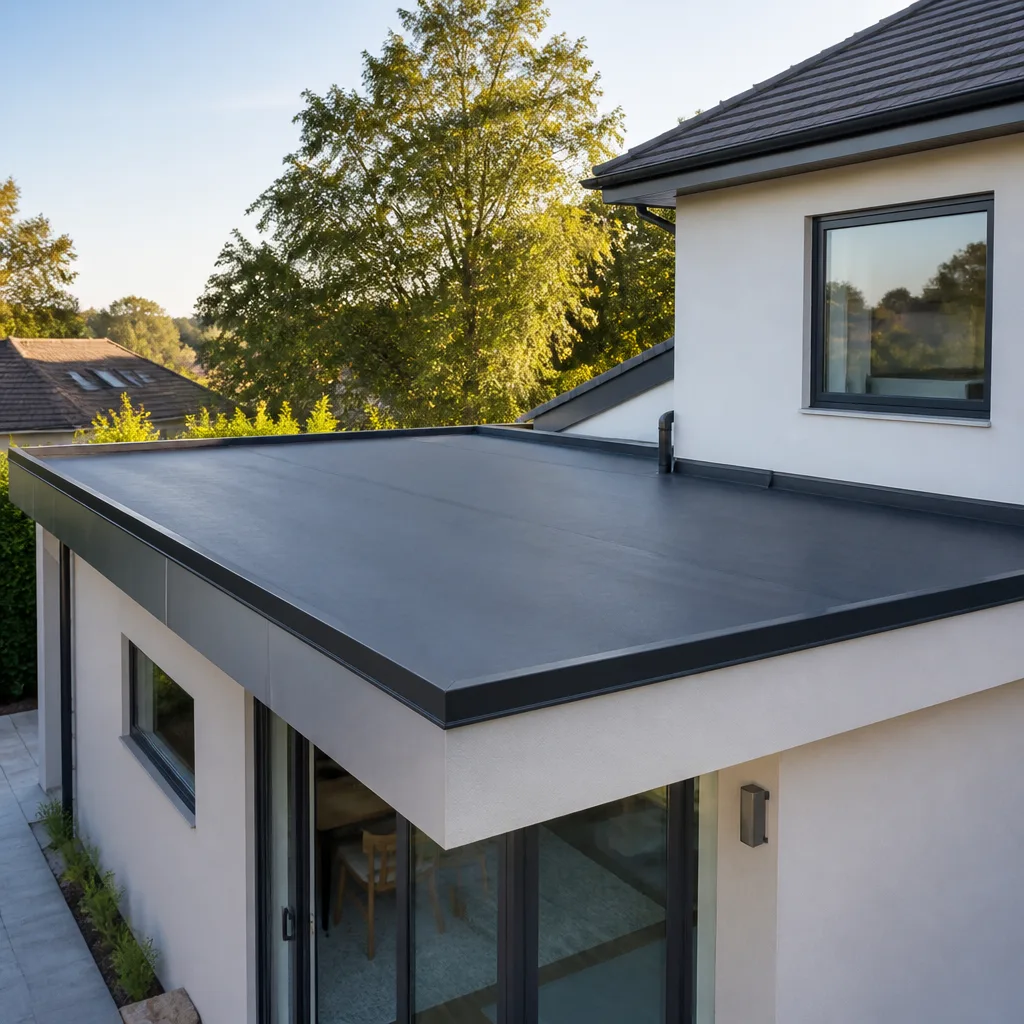 Flat & low-slope
Free roof inspection with deck photos before we talk money - GAF and Owens Corning certified installation
DIY vs Professional Roofing: The Downey Homeowner’s Decision Guide
Here’s a number most homeowners never see: $0. That’s the manufacturer warranty value on a roof you install yourself. Every major shingle maker voids the material warranty for owner-installed roofs, which means a Downey homeowner who DIYs a 30-year GAF or Atlas shingle is actually buying a shingle with no warranty at all, regardless of what the packaging says. This guide walks through what that really costs you, where Downey’s specific housing stock makes DIY riskier than average, and which small repairs are genuinely reasonable to tackle on your own. For more, see our Roof Repair Troubleshooting: Common Problems and How to Fix Them.
Styles & brands we work with
Quick Answer
DIY roofing in Downey makes sense only for small, contained repairs like replacing a single damaged shingle or resealing a small flashing gap. Full roof replacement or any work involving underlayment, valleys, or low-slope sections should be handled by a licensed professional. The reason is simple: manufacturer warranties void on owner-installed roofs, Downey permits require specific documentation, and the area’s low-slope ranch homes demand installation precision that small mistakes punish quickly.
Table of Contents
- The Warranty Void Clause: What DIY Actually Costs You
- Why Downey’s Low-Slope Roofs Punish DIY Mistakes
- Downey Permits: What’s Required and What Skipping Them Means
- Repair vs. Replacement: Where DIY Is Genuinely Reasonable
- The Real Cost Comparison: A Typical Downey Ranch
- Seven Failure Modes DIY Installations Introduce
- Common Mistakes to Avoid
- When to Call a Professional
- Frequently Asked Questions
- The Bottom Line
The Warranty Void Clause: What DIY Actually Costs You
Every shingle manufacturer publishes installation specifications as part of their warranty terms. GAF, CertainTeed, Owens Corning, Atlas, IKO, Tamko, and Boral all state some version of the same condition: the warranty applies only when the product is installed by a licensed contractor following the manufacturer’s published installation instructions. When a homeowner installs the shingles themselves, the warranty is void from the moment the first nail goes in. Not reduced. Not limited. Void.
What does this mean practically for a Downey homeowner? If a DIY-installed shingle fails three years later, whether from a manufacturing defect or installation error, there’s no claim to file. You buy replacement materials at full retail. You remove and reinstall the affected area yourself. The 30-year, 50-year, or lifetime warranty printed on the package never applied to you.
This changes the math on DIY in ways most comparison articles skip. A professional installation includes not just labor but the legal standing to make warranty claims. When a Seacrest Roofing installation uses GAF shingles, for example, the homeowner can access GAF’s enhanced warranty programs because the installation meets manufacturer certification standards. That access doesn’t exist for owner-installed roofs, no matter how carefully the work is done.
The warranty issue alone doesn’t end the DIY question, but it reframes it. A homeowner pricing out a DIY replacement typically compares material costs against contractor bids and sees a gap of $8,000 to $12,000. But the contractor bid includes a warranty-backed installation. The DIY number includes materials with no warranty protection at all. That’s not an apples-to-apples comparison. It’s apples to a pile of shingles you’re legally on your own with.
Why Downey’s Low-Slope Roofs Punish DIY Mistakes
Downey’s housing stock skews heavily toward mid-century ranch homes and post-war tract housing, and a large percentage of those roofs sit at pitches between 2:12 and 4:12. That means for every 12 inches of horizontal run, the roof rises only 2 to 4 inches. These low-slope roofs are common across Downey neighborhoods from the older streets near downtown to the ranch tracts north of Firestone Boulevard, and they change the stakes on installation precision.
On a steep roof, say 8:12 or steeper, gravity pulls water down and off quickly. Installation errors like a slightly misaligned shingle or a nail placed a quarter-inch off the nail line have less time to leak because water spends less time on the roof surface. On a 3:12 roof, water moves slowly. It pools in low spots. It works its way sideways under shingles. Every installation imperfection has more hours of water contact to turn into a leak.
Low-slope installation also requires specific techniques that differ from steep-slope work. The underlayment requirements change. Ice and water shield placement becomes critical in valleys and around penetrations. Shingle exposure must be reduced in many cases. Fastener placement tolerances tighten. A homeowner who watches a steep-roof tutorial and applies those methods to a Downey ranch roof is working from the wrong playbook, and the roof doesn’t forgive the misunderstanding.
In our inspection work across Downey, we regularly see low-slope roofs where edge sealant was applied incorrectly, or where starter strips were skipped, or where nails were overdriven through the shingle surface. These aren’t dramatic failures. They’re slow, persistent ones that show up as water stains on ceilings two or three years after the work was done. The homeowner who saved on the install pays on the back end, often for interior drywall and insulation repair that was never part of the original budget.
Downey Permits: What’s Required and What Skipping Them Means
The City of Downey requires a building permit for roof replacement and for structural roof repairs. Minor repairs like replacing a few shingles or resealing flashing generally don’t require a permit, but anything that involves removing and replacing the roof covering does. The permit process includes plan review, an inspection after the old roof is removed, and a final inspection after the new roof is installed.
A licensed contractor pulls the permit, schedules the inspections, and is accountable for the work passing. A homeowner who DIYs a roof replacement has two choices: pull the permit themselves as an owner-builder, or skip the permit entirely. Both paths carry risk.
Owning the permit means the homeowner accepts legal responsibility for code compliance. If the installation doesn’t meet current California building code, the city can require corrections before signing off. Those corrections can mean tearing off and redoing sections of the roof. The homeowner also carries liability for anyone injured during the project, and for any future buyer who discovers defects that trace back to the unpermitted work.
Skipping the permit creates a different set of problems. Unpermitted roof work has to be disclosed when selling the home in California. Buyers and their inspectors can flag it. Lenders can question it. Insurance companies can deny claims related to roof failures if they determine the work was unpermitted and contributed to the damage. A Downey homeowner who saves $400 in permit fees on a DIY replacement can easily spend ten times that remediating the situation at sale or after a claim denial.
Professional contractors in Downey handle permits as a standard part of the job. It’s built into the scope, the timeline, and the price. Seacrest Roofing home documentation states this plainly: permits pulled, inspections passed, homeowner protected. When permit responsibility is default rather than exception, it removes one more variable from the homeowner’s risk equation.
Repair vs. Replacement: Where DIY Is Genuinely Reasonable
Not all roofing work carries the same risk profile. The repair versus replacement distinction matters more than the DIY versus professional one, because certain small repairs are genuinely reasonable for a careful homeowner, while full replacement never is. Check our Roof Repair Maintenance Checklist for Downey Homeowners to know what to watch for.
DIY-appropriate repairs are small, contained, and accessible:
- Replacing one or two damaged shingles on a steep or moderate slope where the damage is isolated and the surrounding roof is sound.
- Resealing a small flashing gap around a vent pipe or chimney where the sealant has cracked but the flashing itself is intact.
- Clearing debris from valleys and gutters to restore water flow without touching the roof surface.
- Tightening or replacing exposed fasteners on metal edge flashing where access is safe from a ladder.
The common threads: small surface area, no underlayment involvement, no structural questions, and no requirement to understand the roof’s drainage system as a whole. These repairs don’t trigger permit requirements, and they don’t void manufacturer warranties on the existing roof because they’re maintenance actions, not installations.
Full replacement sits at the opposite end of the spectrum. A replacement involves removing the existing roof covering down to the deck, inspecting and repairing the deck, installing new underlayment, laying new shingles across hundreds of square feet, and integrating every penetration, valley, and edge correctly. One missed step anywhere in that sequence can create a leak. The work requires a permit in Downey. It voids every warranty if done by the homeowner. It’s not a weekend project, and the consequences of error compound across the entire roof surface.
For homeowners who aren’t sure which category their project falls into, a professional Roof Inspection in Los Alamitos can establish the actual condition of the roof before any work is committed. In Downey, an inspection that diagnoses first and sells second gives homeowners a clear picture of what’s urgent, what can wait, and what’s genuinely DIY-appropriate. That clarity is worth more than any tutorial video.
The Real Cost Comparison: A Typical Downey Ranch
Let’s model the numbers for a typical 1,800-square-foot Downey ranch home with a 22-square roof (22 roofing squares, or 2,200 square feet). This is the most common roof profile in Downey’s post-war neighborhoods, and it’s the one where DIY math is most frequently miscalculated.
DIY Replacement: What You Actually Spend
- Architectural shingles (22 squares at $55 to $75 per square for mid-tier product): $1,210 to $1,650
- Underlayment (synthetic, 22 squares): $250 to $350
- Drip edge, valley metal, ridge caps, starter strips: $350 to $550
- Fasteners, sealant, miscellaneous: $100 to $150
- Dumpster rental for tear-off: $400 to $600
- Tool purchases or rentals (nail guns, ladders, safety harness, tear-off tools): $500 to $800
- Total materials and tools: $2,810 to $4,100
That’s the number DIY calculators show. But it leaves out the real costs that show up later.
What the DIY Number Omits
- Warranty value: $0. A professional installation carries a manufacturer-backed warranty that the homeowner version cannot access.
- Time cost: A homeowner working weekends takes 3 to 5 weeks on a job a professional crew completes in 2 to 3 days. That’s 40 to 80 hours of personal labor on a dangerous surface.
- Mistake cost: The most common repair call we see after DIY work is water damage inside the home. Interior drywall, insulation, and paint repair runs $1,500 to $4,000 when a leak goes undetected through a rainy season.
- Resale exposure: Unpermitted roof work becomes a negotiation point at sale. Buyers routinely ask for $5,000 to $15,000 in concessions for unpermitted roof replacement disclosure.
Professional Replacement: A Different Risk Profile
A professional replacement for the same 1,800-square-foot Downey ranch typically runs $10,000 to $16,000 depending on material tier, roof accessibility, and deck condition. That number includes the tear-off, underlayment, installation, warranty registration, and permit closure. The homeowner writes one check and is done. No weekend labor. No roof exposure. No resale footnote.
The honest gap isn’t $2,800 worth of materials versus $13,000 for a contractor. It’s $4,000 all-in for a DIY install with zero warranty, real risk, and 40 to 80 hours of personal labor, versus $13,000 for a warrantied, permitted, professionally installed roof. The gap is real. But it’s narrower than most DIY calculations admit once warranty, permit, and mistake costs are on the table.
Seven Failure Modes DIY Installations Introduce
Certain installation errors appear over and over in our repair work on owner-installed or handyman-installed Downey roofs. These aren’t edge cases. They’re the predictable outcomes of working from YouTube tutorials and big-box store advice.
- Nail placement errors. Shingle manufacturers specify a nail line, typically 4 to 6 nails per shingle depending on pitch and wind zone. Nails placed too high miss the underlying shingle’s seal strip. Nails placed too low expose the nail head to water. Both cause leaks within one to three years.
- Overdriven fasteners. A nail gun set too hot drives the fastener through the shingle surface, creating a hole that sheds water directly onto the underlayment or deck. This is the single most common error we find on DIY roofs.
- Skipped or incorrectly placed underlayment. On low-slope roofs, underlayment is a second waterproofing layer, not just a backer. Installing it backwards, skipping laps, or failing to run it up sidewalls means water that gets under shingles goes straight to the deck.
- Improper valley construction. Valleys carry concentrated water flow. The wrong valley technique, whether woven, cut, or metal, turns the roof’s drainage highway into a leak source. Valley errors show up fast and damage interior spaces below.
- Flashing gaps at penetrations. Every pipe jack, chimney, and roof vent needs flashing integrated with the shingle course. DIY work commonly leaves gaps at flashing corners or fails to step-flash chimneys correctly.
- No drip edge or improperly installed drip edge. Drip edge keeps water from wicking back up under the shingle edge at eaves and rakes. Missing drip edge causes fascia rot and edge leaks that are invisible from the ground.
- Inadequate attic ventilation planning. A roof replacement is the moment to evaluate intake and exhaust ventilation. DIY work typically replicates whatever existed before, even if it was inadequate, which shortens shingle life and can void warranty coverage for heat-related damage.
Each of these failure modes is invisible on day one. None of them show up in the “after” photo. They show up as staining, bubbling, or dripping months or years later, and by then the original installation is a memory and the repair cost lands in full.
Common Mistakes to Avoid
- Comparing DIY material costs to professional installed prices without accounting for warranty value. A professional installation includes access to manufacturer warranty programs. A DIY install carries a $0 warranty. The comparison has to include what you’re not getting.
- Assuming a steep-roof tutorial applies to a low-slope Downey ranch roof. Installation requirements differ at 3:12 versus 8:12. Fastener counts, underlayment layers, and exposure settings all change. Tutorials rarely mention this.
- Skipping the permit to save a few hundred dollars. Unpermitted roof work becomes a disclosure item at sale and an insurance claim risk. The savings are an illusion.
- Underestimating the physical risk. Roof work is among the most dangerous home improvement categories. Falls from roof height cause serious injury or death every year. The risk is real, and it applies to every hour spent on the roof, not just the hard parts.
- Reusing old flashing because it “looks fine.” Flashing that has been in place for 20 years has been through 20 years of thermal expansion and contraction. Reusing it beneath new shingles saves $200 and risks a leak that costs twenty times that.
- Working alone or without a safety setup. Professionals use harnesses, roof brackets, and sometimes guardrails. A homeowner with a ladder and a nail gun is working with none of that.
- Treating roof replacement as a single-weekend project. It isn’t. Tear-off, deck inspection, underlayment, installation, and cleanup take a homeowner working alone three to five weekends. Weather exposure during that window creates additional risk for whatever is already open to the sky.
When to Call a Professional
Call a professional when the work involves full roof replacement, any section of roof at 4:12 pitch or lower, any valley or flashing repair around a chimney, any work that requires a permit, or any leak you cannot trace to a clearly isolated source. Not sure where to start? Read our How to Hire a Roofing Contractor in Downey: A Step-by-Step Guide. These situations carry structural, warranty, and safety stakes that outweigh whatever labor cost you’d save.
For repairs that sit in the gray zone, or for homeowners who simply want an honest read on what their roof actually needs, Seacrest Roofing offers free estimates in Downey. The inspection diagnoses the problem first, then matches the repair or replacement product to the roof. Call (855) 597-2817 to schedule yours.
Frequently Asked Questions
A professional roof replacement for a typical 1,800-square-foot Downey ranch home runs $10,000 to $16,000 depending on shingle tier, roof accessibility, and deck condition. Call (855) 597-2817 for an exact quote on your specific roof – estimates are free, and you’ll get a written line-item breakdown before any commitment.
Yes. GAF, CertainTeed, Owens Corning, Atlas, IKO, Tamko, and Boral all require installation by a licensed contractor for warranty coverage to apply. Owner-installed roofs carry no material warranty regardless of what the packaging says. This is a black-and-white policy, not a gray area.
Yes. Replacing one or two damaged shingles, resealing small flashing gaps, and similar minor repairs don’t require a permit in Downey and won’t void the warranty on your existing roof. Full replacement and structural repairs do require a permit. Call (855) 597-2817 if you’re unsure which category your project falls into.
A professional crew typically completes a full replacement on a 1,800-square-foot Downey ranch in 2 to 3 days, including tear-off, deck inspection, underlayment, installation, and cleanup. A homeowner working weekends on the same roof typically needs 3 to 5 weeks. Schedule a free estimate at (855) 597-2817 to get a firm timeline for your roof.
California law requires disclosure of unpermitted work at sale. Buyers can negotiate concessions, lenders can flag the issue, and the seller is exposed to post-sale liability if defects trace back to the unpermitted work. In Downey, buyer concessions for unpermitted roofs routinely run $5,000 to $15,000.
Yes. Replacing one or two damaged shingles on a moderate or steep slope, resealing a small flashing gap, and clearing debris from valleys and gutters are all reasonable homeowner tasks. The key is keeping the work surface small, contained, and away from the roof’s most critical drainage areas. When the job grows beyond that, call (855) 597-2817 for a free assessment.
The Bottom Line
DIY roofing in Downey is a narrow proposition. Small repairs on accessible slopes: reasonable. Full replacement or any work touching underlayment, valleys, flashing, or low-slope sections: not reasonable, and the reasons are specific, not general. Manufacturer warranties void on owner-installed roofs. Downey permits require professional accountability. Low-slope ranch roofs reward precision and punish approximation. The $4,000 in saved labor on a DIY replacement disappears into warranty gaps, permit exposure, and the cost of fixing mistakes that were invisible on the day the work was done. If you’re weighing the options, get an honest professional read first, or browse more guides & resources. Seacrest Roofing offers free estimates in Downey and inspections that diagnose before they sell. Call (855) 597-2817.
Written by the team at Seacrest Roofing, serving Downey since 2018.
See the difference
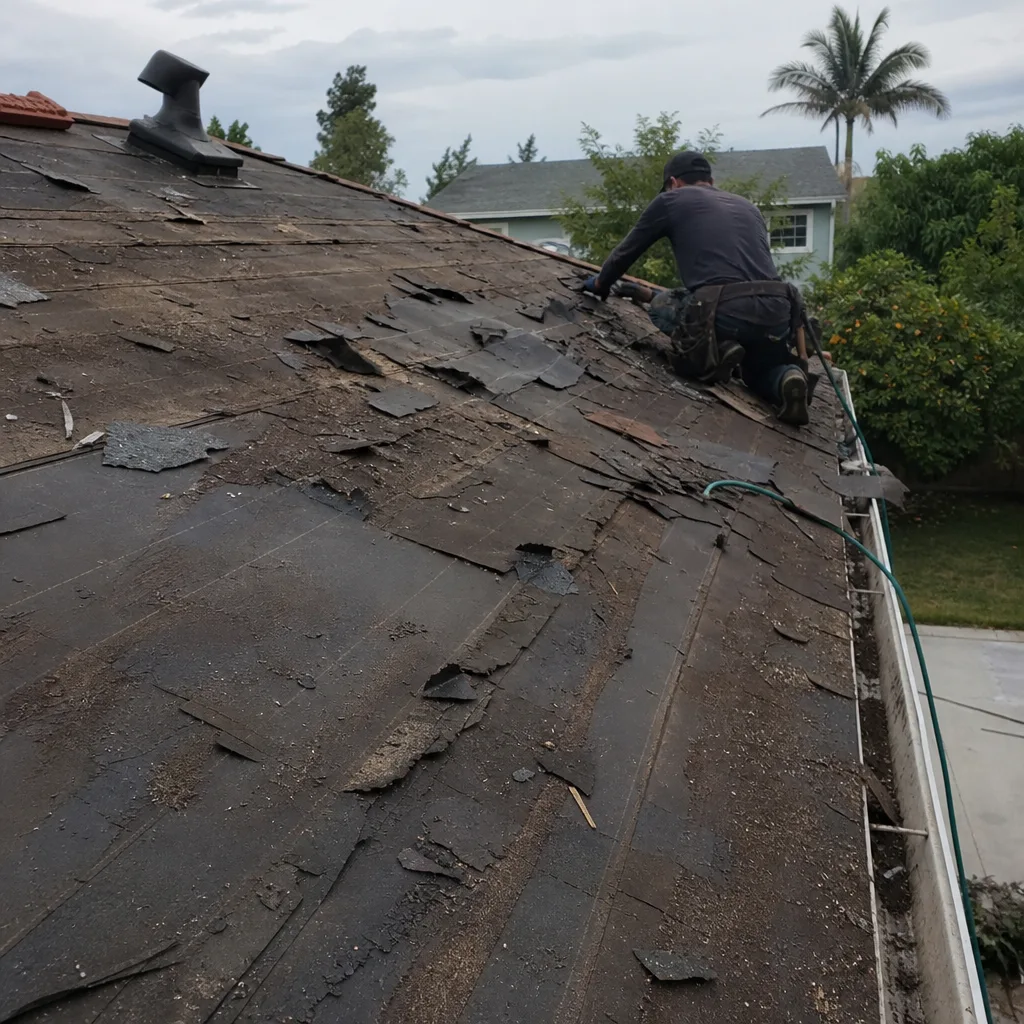 Before
 After
 Before
 After
 Before
 After