
Last updated October 31, 2026
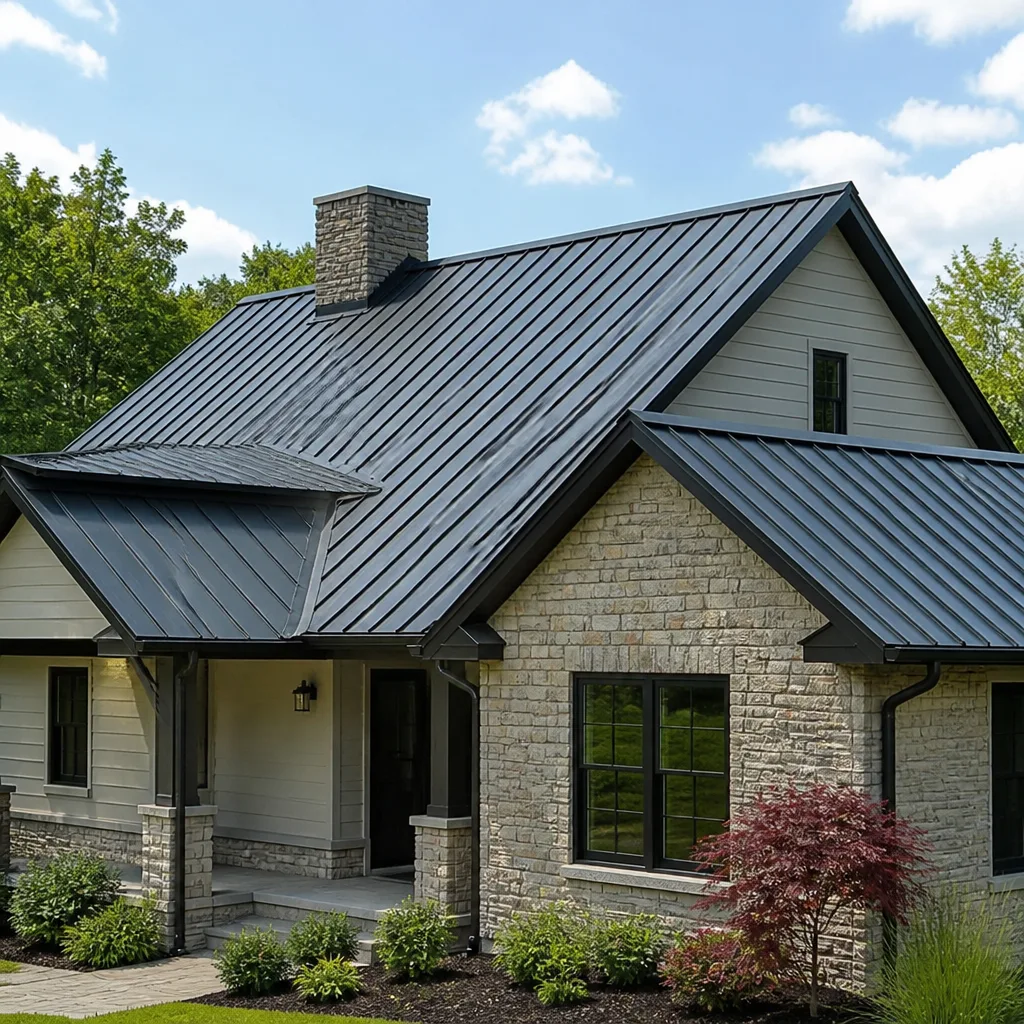 Metal roofing
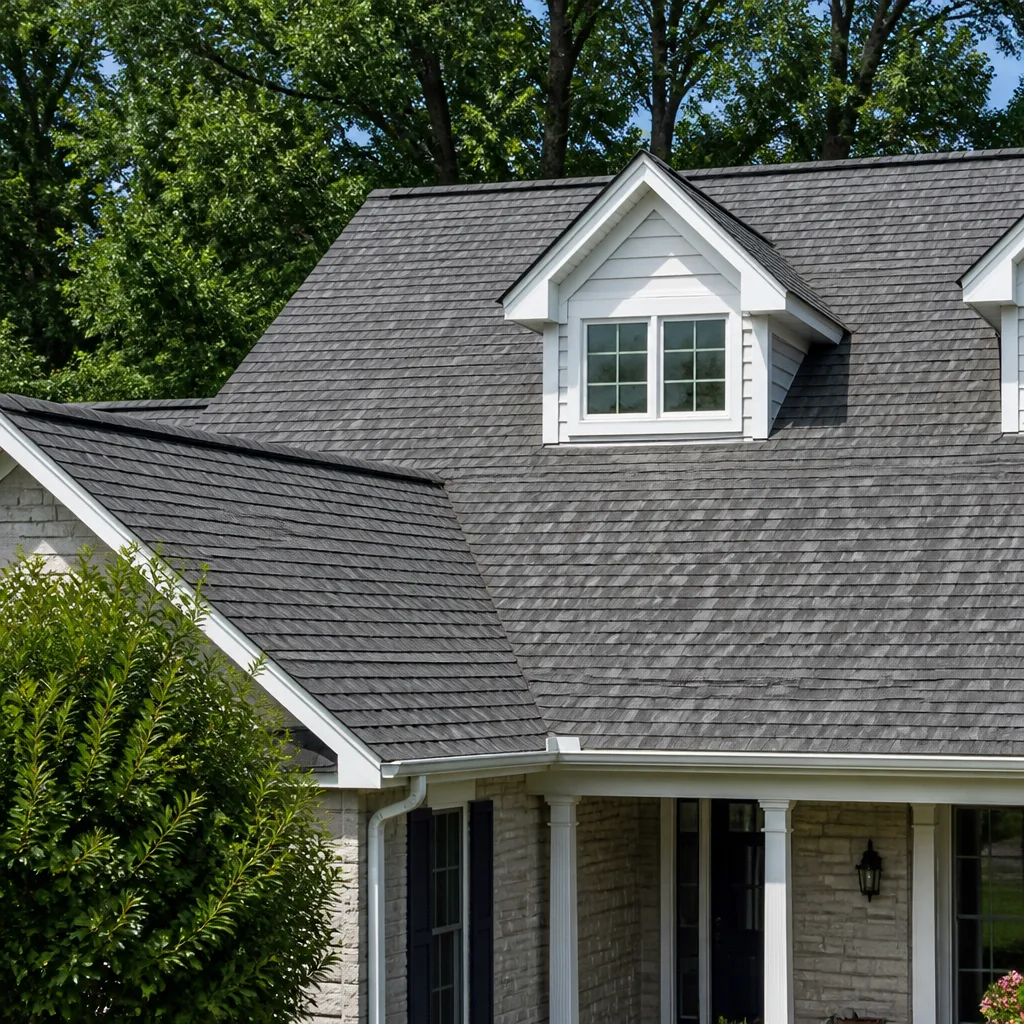 Architectural shingles
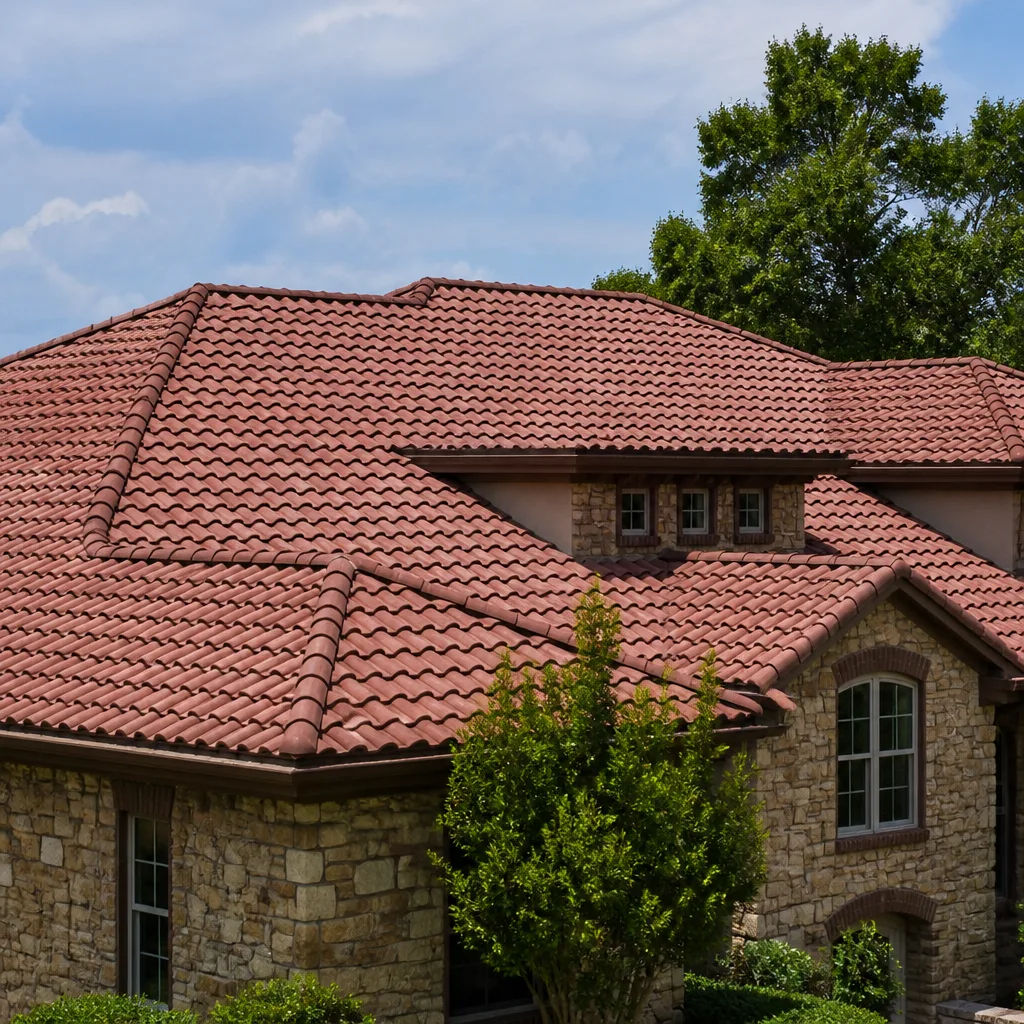 Tile roofing
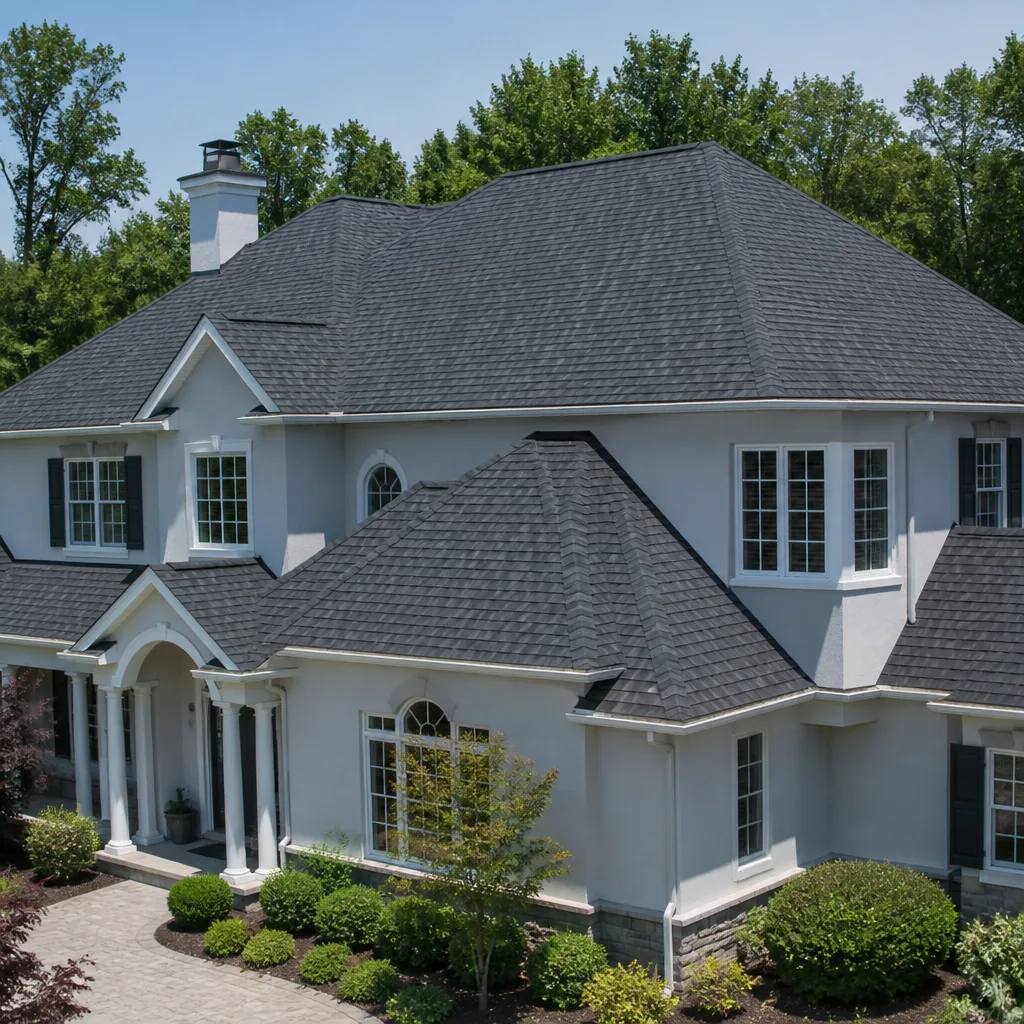 GAF
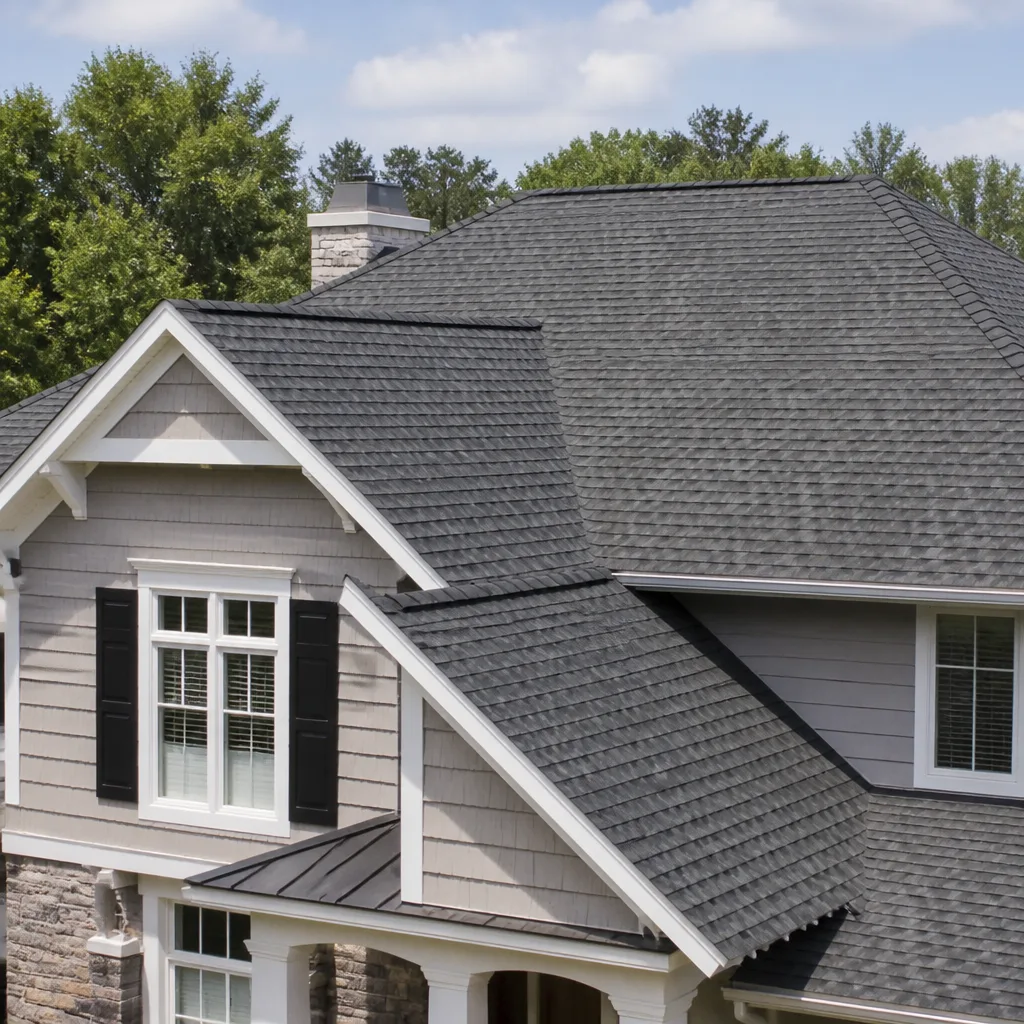 Owens Corning
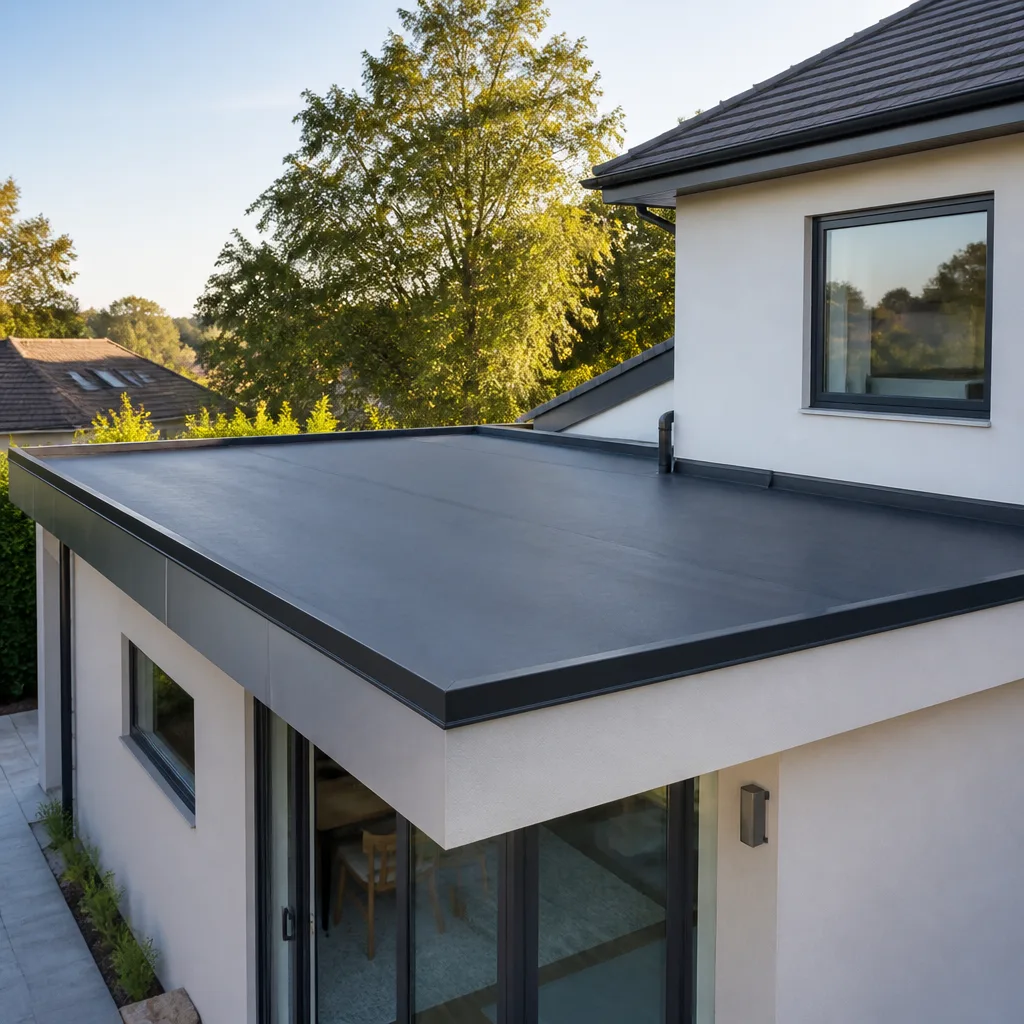 Flat & low-slope
Free roof inspection with deck photos before we talk money - GAF and Owens Corning certified installation
How to Hire a Roofing Contractor in Downey: A Step-by-Step Guide
A CSLB license number takes 20 seconds to verify online. It tells you the contractor is legally allowed to work in California. It tells you nothing about whether they carry all seven major shingle brands or just one line they earn dealer rebates on. And in Downey, where homes range from 1950s ranchers in Orange Estates to newer builds near Stonewood Center, that distinction determines whether you get the right roof for your house or the right roof for the contractor’s margins. This guide teaches you to hire for knowledge, not credentials alone.
Styles & brands we work with
Quick Answer
To hire the right roofing contractor in Downey, interview at least two licensed companies, verify they carry multiple shingle brands rather than one, require a written decking inspection as part of every bid, and compare the underlayment, flashing, and ventilation specs line by line. For a deeper dive, see our Roof Repair Maintenance Checklist for Downey Homeowners. A legitimate roofer will diagnose your roof before recommending a product, show you options across at least three manufacturers, and never ask you to sign before the decking has been looked at.
Table of Contents
- The Downey Roofing Market: What Makes It Different
- Step 1: Verify Before You Call
- Step 2: The Five Diagnostic Questions That Separate Knowledge From Sales Scripts
- Step 3: Why Single-Brand Dealers and Multi-Line Installers Give You Different Bids
- Step 4: The Decking Inspection Is Non-Negotiable
- Step 5: How to Compare Bids Line by Line
- Step 6: Red Flags Specific to Downey and LA County
- Common Mistakes to Avoid
- When to Call a Professional
- Frequently Asked Questions
- The Bottom Line
The Downey Roofing Market: What Makes It Different
Downey sits in a microclimate that’s distinct from coastal Long Beach and inland Whittier. We get full sun exposure in summer with average July highs around 84 degrees, but the real roof killer here is the combination of marine-layer moisture in the morning and intense afternoon heat. That daily cycle forces expansion and contraction on shingle substrates. Add the Santa Ana wind events that push through LA County each fall, and you’ll see roofing failure patterns in Downey that don’t match what roofers in, say, Los Alamitos experience in the same way.
What does that mean for hiring? It means a roofer who works Downey regularly should be able to talk specifically about wind uplift on south-facing slopes near the 105 corridor, or granule loss on twenty-year-old three-tabs in the neighborhoods around Wilderness Park. If the contractor you’re interviewing speaks only in generalities about “California weather,” they’re probably not diagnosing your actual roof. They’re reading from a sales deck.
Downey’s housing stock also skews older. A substantial portion of the single-family homes here were built between 1948 and 1972. That means roof decks made of 1×6 or 1×8 board decking rather than plywood, rafters spaced on older code, and original underlayment that’s often saturated or brittle. A roofer who’s worked these homes knows to check for deck deflection the minute they step into the attic. A roofer who hasn’t will write a bid that assumes the deck is fine until proven otherwise. That’s the wrong assumption to pay for.
Step 1: Verify Before You Call
You should not hire an unlicensed roofer in California. That part is settled. The Contractors State License Board requires any roofing job over $500 to be performed by a licensed contractor, and a C-39 roofing classification specifically covers roof work. But here’s what the license check won’t tell you.
A license confirms the contractor passed a trade and law exam, carries a bond, and has workers’ compensation insurance for their crew. It does not tell you whether the company actually stocks the materials they’ll quote you, whether their installation crews are trained on the specific shingle line you choose, or whether they’ll be the same crew on your roof next year if a repair is needed. Those are the gaps where Downey homeowners get burned.
Ask for the license number and verify it on the CSLB website. Then ask for something the database doesn’t show: which shingle manufacturers have authorized them as installers. Not which brands they “can get” at the supply house. Which brands they’re authorized to install with full manufacturer warranty backing. The answer to that question tells you more about their actual business model than the license number ever will.
Step 2: The Five Diagnostic Questions That Separate Knowledge From Sales Scripts
Before you accept a bid from any roofing contractor in Downey, you should ask these five questions. You’re not looking for rehearsed answers. You’re listening for whether the contractor actually looked at your roof before quoting it.
- “What’s the condition of my decking?” This is the single most revealing question. If the answer is “we won’t know until we tear off,” that’s a contractor who expects you to sign a contract with an open line item for decking replacement at whatever price they decide on tear-off day. If the answer involves “we inspected from the attic and saw signs of deflection in the southeast corner,” that’s someone who actually diagnosed the roof. The difference is the difference between a $12,000 bid that stays $12,000 and a $12,000 bid that becomes $16,500 after the decking’s exposed.
- “Which shingle brands do you carry, and why those?” A single-brand dealer always has a reason their brand is best. A multi-line roofer can tell you the tradeoff between a GAF Timberline and a CertainTeed Landmark: what you’re gaining in wind rating, what you’re giving up in color selection, what the warranty difference actually means for a home in Downey’s climate. If they can’t articulate that, they’re selling inventory, not roofs.
- “What’s my current ventilation setup, and does it need to change?” Downey homes with older rafter-and-board construction often have soffit vents that are painted shut or ridge ventilation that was filtered into place without sufficient intake. A roofer who just sells shingles won’t mention this. A roofer who understands the whole roof system will tell you before you ask. If they mention ventilation for the first time after you ask, note whether they can be specific about your vents or whether they’re reciting a generic pitch about “proper airflow.”
- “Who’s doing the tear-off and install? Your crew or subcontractors?” Many LA County roofing companies sell the job and then send a sub crew they’ve never met. That’s legal, and it’s not inherently bad. But the crew that tears off and installs is the crew that determines whether your shingles survive the first Santa Ana event. Ask whether the crew is W-2 or subcontractor, whether the same foreman runs every job in Downey, and whether the company’s authorized-installer status with your chosen brand applies to the crews they send. The answers should be immediate and consistent with what you were told earlier.
- “What does a full replacement actually include in the written bid?” You want line items. Tear-off and disposal. Underlayment brand and grade. Ice and water shield in valleys and eaves. Flashing replacement around chimney, plumbing vents, and roof-to-wall transitions. Drip edge. Ridge cap. Ventilation. Haul-away and cleanup. If the bid is a single number with the word “replacement” next to it, that’s not a bid, that’s a guess. Guesses get revised upward mid-project.
Step 3: Why Single-Brand Dealers and Multi-Line Installers Give You Different Bids
This is the part of hiring a roofer in Downey that most guides skip entirely, and it’s the part that determines whether your “fair price” is actually fair for the roof you get.
A single-brand dealer is a roofing company that installs one manufacturer’s shingles, almost always because they have a commercial relationship with that manufacturer. The manufacturer provides marketing support, dealer pricing, and sometimes lead generation in exchange for volume commitments. That’s not a conspiracy, it’s just how distribution works. But it means the dealer’s recommendation is structurally biased. They recommend what they carry because that’s what they have. The question of whether an Owens Corning Duration is actually the best fit for your Downey home never gets asked, because the alternative was never on the table.
At Seacrest Roofing, we carry seven major shingle lines: GAF, CertainTeed, Owens Corning, IKO, Atlas, Tamko, and Boral. That’s not a branding gimmick. It means when we inspect a roof in Downey, we diagnose the actual problem first and then match the repair or replacement product to the roof, not the other way around. A home with a shallow 3:12 pitch near Furman Park has different material needs than a two-story with steep gables near Downey High School. The shingle that handles one may be wrong for the other. A single-brand dealer cannot make that call honestly, because every answer they give points to their one product.
Multi-line installers also give you real warranty options. Manufacturer warranty programs differ meaningfully across brands. Some offer extended labor-and-material coverage through their certified-installer programs. Others offer prorated material-only coverage that covers progressively less each year. If you’re budgeting for a roof you’ll live under for two decades, the warranty structure matters as much as the shingle itself. A roofer who carries multiple brands can show you the warranty tier at each price point and let you choose where your money goes.
This is what we mean when we say “Seven shingle brands, one honest recommendation.” The recommendation gets to be honest because the option set is broad enough to accommodate it.
Step 4: The Decking Inspection Is Non-Negotiable
If you take one thing from this guide, make it this: do not sign a roof replacement contract in Downey until someone has looked at your decking from both sides.
The deck is the plywood or board layer beneath your shingles. In Downey homes built before 1970, that deck is often 1×6 or 1×8 spaced board, not plywood. It’s been baking under California sun, absorbing humidity from attic moisture, and flexing under decades of foot traffic from prior roof work. If the deck is compromised, the best shingle in the world won’t sit flat, won’t nail securely, and won’t survive its warranty term. The shingle is only as good as the surface it’s nailed to.
A legitimate decking inspection involves two halves. From the attic, the inspector looks for water staining, deflection between rafters, and nail patterns that indicate previous shingles were overdriven or underdriven. From the roof surface, they walk the field looking for soft spots, bounce, and areas where the deck feels thin or loose. That takes twenty to thirty minutes on a typical 1,200-square-foot Downey rancher. If a contractor’s “inspection” is a ten-minute driveway visit and a brochure, they’re not inspecting anything.
A bid written without a decking inspection has a built-in surprise. It will say something like “replace decking as needed, $X per sheet.” Then the tear-off reveals 60% of the deck needs replacement, and your fixed bid changes by thousands. That’s the most common roofing cost overrun in LA County, and it’s avoidable. For a full picture of what to expect, read our Roofing Cost Breakdown: The Downey Homeowner’s Reference for 2026. A bid that includes a decking inspection and specifies replacement coverage based on what the inspection found is a bid you can trust. Everything else is a price you’re being quoted on a roof nobody’s actually seen.
We offer roof inspection as a standalone service in Downey for exactly this reason. You can get a professional assessment of your decking, flashing, ventilation, and shingle condition without having committed to anything. An inspection that diagnoses first, sells second. That’s the model to insist on, whether it’s roof inspection in Los Alamitos or anywhere else in the region.
Step 5: How to Compare Bids Line by Line
Downey homeowners comparing three bids often look at the bottom line and pick the middle number. That’s a mistake. The bottom line is nearly meaningless until you know what’s inside it. Two bids can be $3,000 apart and both be fair, simply because they cover different specifications.
Here’s what to compare line by line:
- Underlayment spec: Is it 15-pound felt or a synthetic like GAF Deck-Armor or Owens Corning RhinoRoof? What brand and grade? Synthetic costs more and performs better in Downey’s heat. If one bid uses 15-pound felt and another uses synthetic, the difference isn’t padding, it’s specification. Ask each roofer to name the exact underlayment they’ll install.
- Flashing material: Are they replacing flashing or reusing it? Galvanized or painted aluminum? Are they replacing pipe boots, chimney step flashing, and roof-to-wall counterflashing? A roofer who reuses old flashing is cutting $400 to $800 from the bid. You’ll pay for that later when the flashing fails before the shingles do.
- Ventilation plan: What’s the current intake and exhaust, and what’s the plan for it? Are they adding venting? Is it balanced? A new roof with the same inadequate ventilation as the old one will bake from the underside and fail early, even if the shingles are premium. The bid should spell out what changes and why.
- Haul-away and cleanup: Is disposal included or a separate line? Who’s responsible for the magnetic nail sweep in the yard and driveway? A roofing crew that leaves nails in your grass creates a flat tire six months from now. This should be explicit in writing.
- Permits and inspection: Is the permit pulled by the contractor? Is the final inspection included? In Downey, the city requires permits for roof replacements. A bid without permit costs is either incomplete or the contractor intends to work unpermitted. Both are reasons to walk.
- Warranty structure: Workmanship warranty from the roofer, material warranty from the manufacturer, and any enhanced labor-and-material warranty through a certified-installer program. Get all three named, with terms in years, in writing.
When you compare bids this way, the “expensive” bid often turns out to be the only complete one. We’ve replaced roofs in Downey where the homeowner showed us three bids and two were missing half these line items. The low number was never the real price. It was the price of a roof that would’ve been cut-corner from day one.
Step 6: Red Flags Specific to Downey and LA County
After every Santa Ana wind event in Downey, the canvassers come through. Door knockers with clipboards, “free roof checks,” and a story about being “in the neighborhood.” Some of them are legitimate local contractors. Many of them aren’t. Here are the red flags that show up in LA County specifically.
First, pressure to sign the same day. A legitimate roofing contractor in Downey doesn’t need you to commit within hours of the estimate. The line is usually “the insurance deadline” or “the storm pricing.” Neither is real. Material prices don’t change overnight, and a roof that needs replacement today will still need replacement next week when you’ve had time to compare the bid.
Second, “we can handle the insurance claim for you.” A roofer who promises to deal directly with your insurance company on a full claim is often steering toward what the insurance payout covers, not what your roof actually needs. That’s a conflict of interest between the roofer and your roof. Your roofer should diagnose the roof and document the findings. The claim is between you and your insurer.
Third, out-of-town trucks. After major wind events, crews follow the damage from state to state. They’re not licensed in California, they’re not authorized installers for any manufacturer they’ll claim to use, and they’ll be gone before the warranty question comes up. If the truck has out-of-state plates and no local address, that’s the end of the conversation.
Fourth, bids that don’t include a decking inspection but do include a low square-foot price. This is the bait. The low number gets you to sign, the decking “discovery” after tear-off gets your final total up where it should’ve been in the first place. The price wasn’t real. It was the price of a signature.
If you need roof repair in Los Alamitos or a full replacement in Downey, the same rule applies: real roofers diagnose first, quote second, and never ask for a signature before the decking’s been seen.
Common Mistakes to Avoid
- Hiring the first roofer who answers the phone. Downey has more than enough qualified roofing contractors that you should never have to call just one. Interview at least two. The differences you hear in their diagnostic questions will teach you more than any guide.
- Comparing bids by total price alone. As covered above, the bottom line without line items is a guess. Compare underlayment, flashing, ventilation, and haul-away. Then compare totals.
- Signing a contract with an open decking line item. “Decking replacement as needed at $95 per sheet” is not a bid, it’s a blank check. If they can’t tell you from the attic inspection approximately how much decking will need replacement, they haven’t inspected.
- Assuming all shingle brands are equivalent. They’re not. Wind ratings, algaecide treatments, color stability guarantees, and warranty terms all vary. A multi-line roofer can show you those differences. A single-brand dealer can’t.
- Skipping the permit. In Downey, a re-roof requires a city permit. An unpermitted roof can complicate a future home sale and leave you without recourse if the work fails inspection standards. A roofer who offers to work unpermitted “to save you money” is not doing you a favor.
- Choosing a roofer based on manufacturer advertising alone. “GAF-certified” or “Owens Corning preferred” doesn’t tell you whether the crew on your roof next Tuesday has ever laid a ridge cap any straighter than the next crew. Manufacturer certification matters. It’s not the whole job. The installer’s own reputation and inspection rigor matter more.
- Not asking who actually installs the roof. Sold by one company, installed by a sub crew you’ve never met, warranted by a company that’s no longer in business six years later. Downey has seen it happen. Ask before you sign, not after the first leak.
When to Call a Professional
Some roofing situations are clear enough that you don’t need to deliberate. If you see daylight through the roof boards from inside the attic, call a professional today. For help identifying other warning signs, see our Roof Repair Troubleshooting: Common Problems and How to Fix Them. If water is actively entering the house during a storm, call now. If shingles are peeling back during a Santa Ana event and landing in the yard, you have a live hazard on your roof and you should not climb up to investigate it yourself. Steep roofs and wind-damaged structures are dangerous, and a professional inspection costs far less than a fall.
Less urgent signals are still worth professional assessment. Curling or cupping shingles on south-facing slopes. Granules accumulating in gutters. Ceiling stains that appear and grow after rain. Roof age over fifteen years in Downey’s climate. Any one of these warrants an inspection. None of them requires you to commit to a replacement before you’ve seen the diagnostic report. Seacrest Roofing offers free estimates in Downey. Call (855) 597-2817 to schedule yours.
If you’re weighing roof replacement in Los Alamitos or Downey, the same diagnostic-first approach applies. A real professional will tell you what they found before they tell you what it costs.
Frequently Asked Questions
A typical asphalt shingle roof replacement in Downey ranges from $11,000 to $22,000 depending on roof size, pitch, shingle grade, and decking condition. The material tier (three-tab, architectural, or premium designer) shifts the cost significantly, as does the underlayment spec and whether ventilation upgrades are included. Call (855) 597-2817 for an exact quote on your Downey home, with the decking inspection done before any number is final.
Yes, the City of Downey requires a building permit for roof replacements. Your roofing contractor should pull the permit and schedule the city inspection as part of the job. A bid that omits permit costs or offers to “save you money” by working unpermitted is a red flag.
Most standard asphalt shingle replacements in Downey take three to five working days from tear-off through final inspection. Weather can extend this during the rainy season, and homes requiring significant decking replacement or with steep or complex roof geometries may take longer. Your contractor should give you a written schedule before work begins.
Three-tab shingles are the classic single-layer flat shingle, the least expensive and the shortest-lived at roughly 15 to 20 years. Architectural or dimensional shingles are a laminated two-layer product with better resistance to Downey’s wind and sun, typically warrantied for 25 to 30 years. Premium or designer shingles are heavier, thicker, and often emulate slate or wood shake while providing the longest material warranties. The right choice for your Downey home depends on your budget, HOA requirements, and aesthetic goals, not just the shingle a single-brand dealer happens to stock.
If the damage is localized, a repair is usually the right call and a good roofing company will recommend it without pushing you toward replacement. If the decking is widespread compromised, the flashing is failing in multiple locations, or the roof is near the end of its material lifespan, replacement becomes the honest recommendation. The only way to know is a diagnostic inspection that looks at the whole roof system, not just the visible shingle surface.
In many cases, yes. If you have a major-brand shingle and we can identify the specific color and production lot, we can typically source a matching or closely matching product. Older or discontinued colors may not be available. During your Seacrest Roofing home inspection, we’ll tell you exactly what match is possible before any repair work begins.
The Bottom Line
Hiring a roofer in Downey comes down to this: license first, diagnostic questions second, decking inspection third, bid comparison fourth. For more guides & resources on protecting your home, visit our blog. The license is table stakes. The diagnostic questions reveal whether anyone has actually looked at your roof. The decking inspection tells you whether the bid is real or revision pending. And the line-by-line comparison shows you which contractor specified a complete roof rather than a complete sales pitch. Material choice should be a decision you make with a roofer who carries the options, not a default handed to you by a dealer with one brand and one answer. Your roof, your material choice, we carry the full lineup.
Written by the team at Seacrest Roofing, serving Downey since 2018.
See the difference
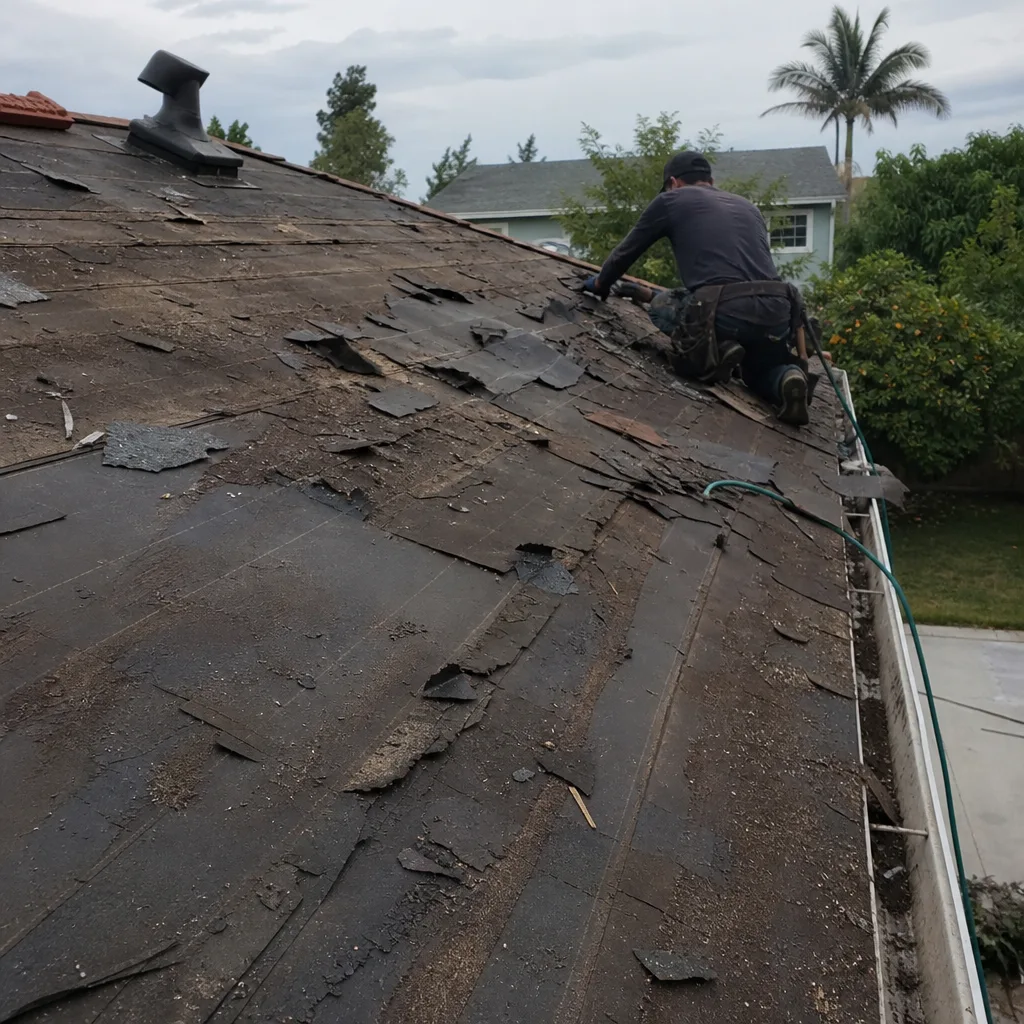 Before
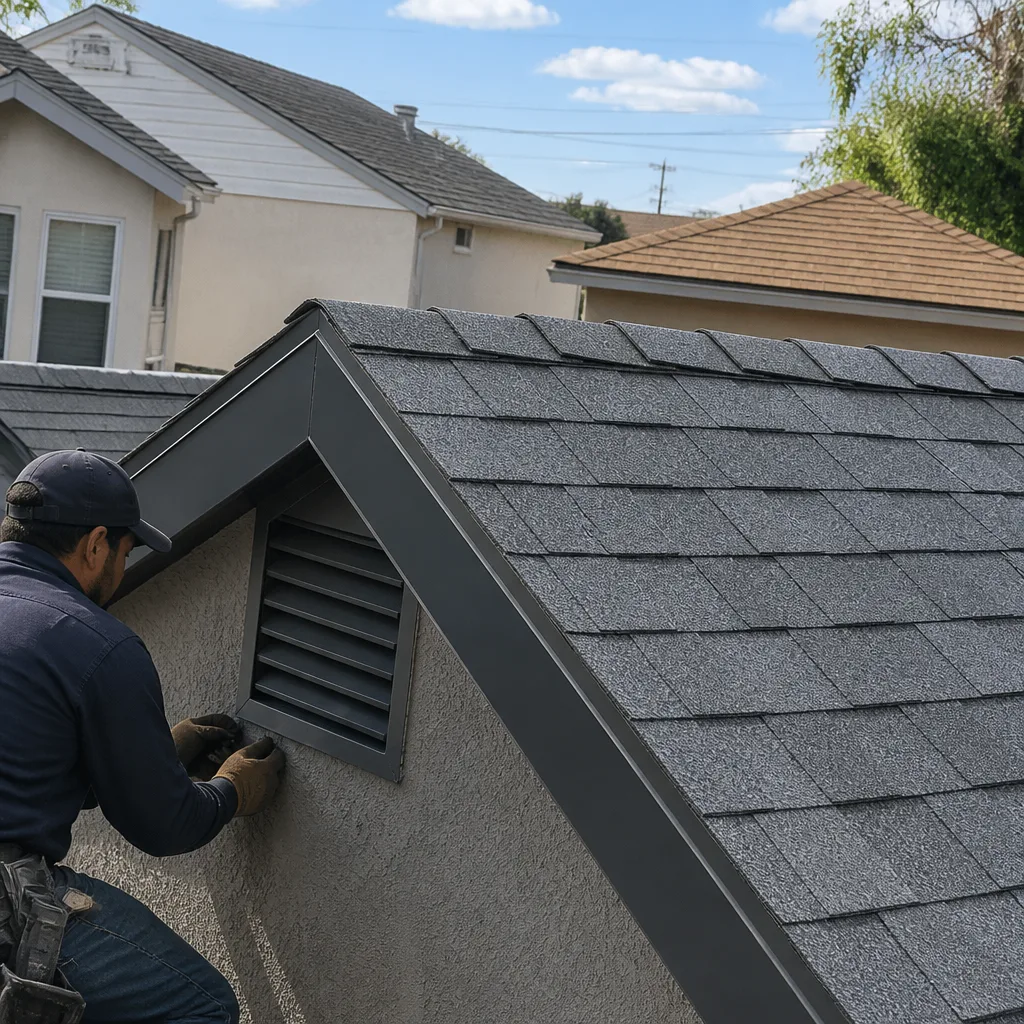 After
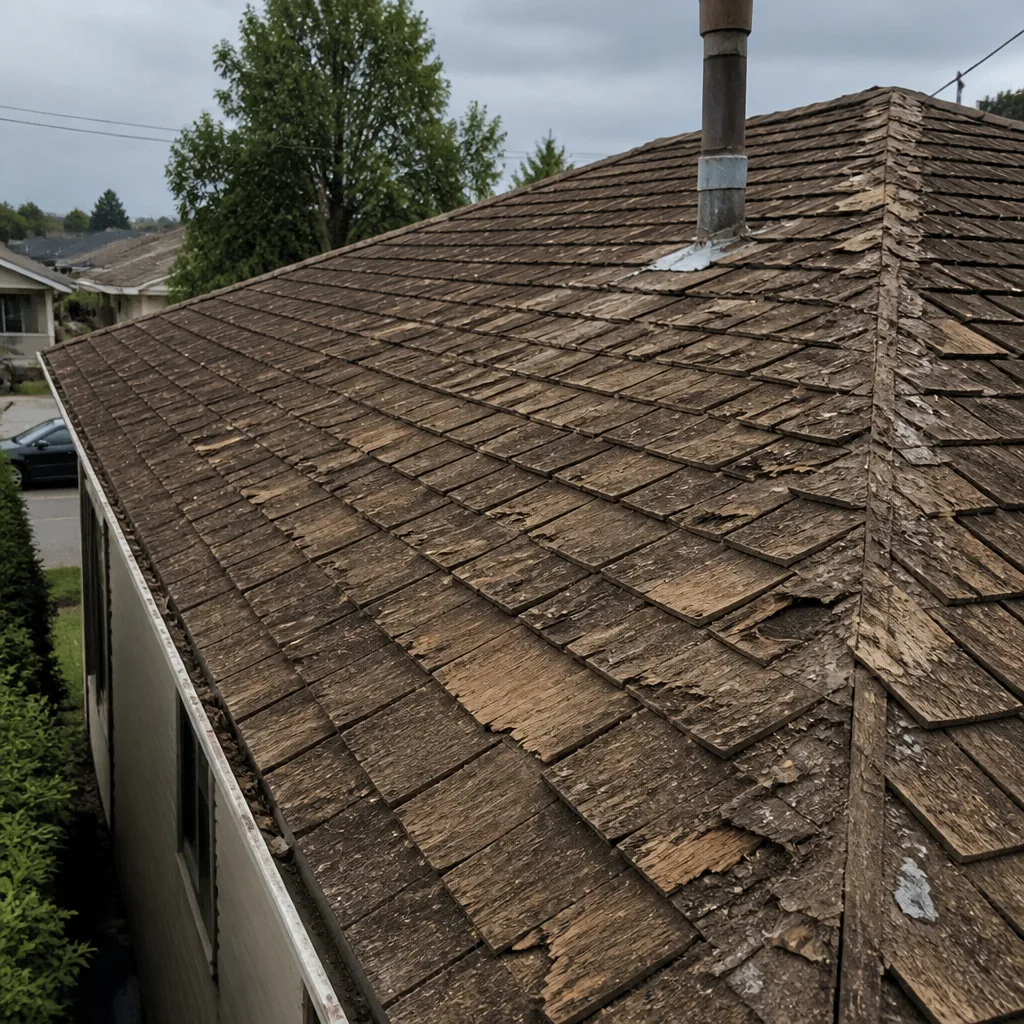 Before
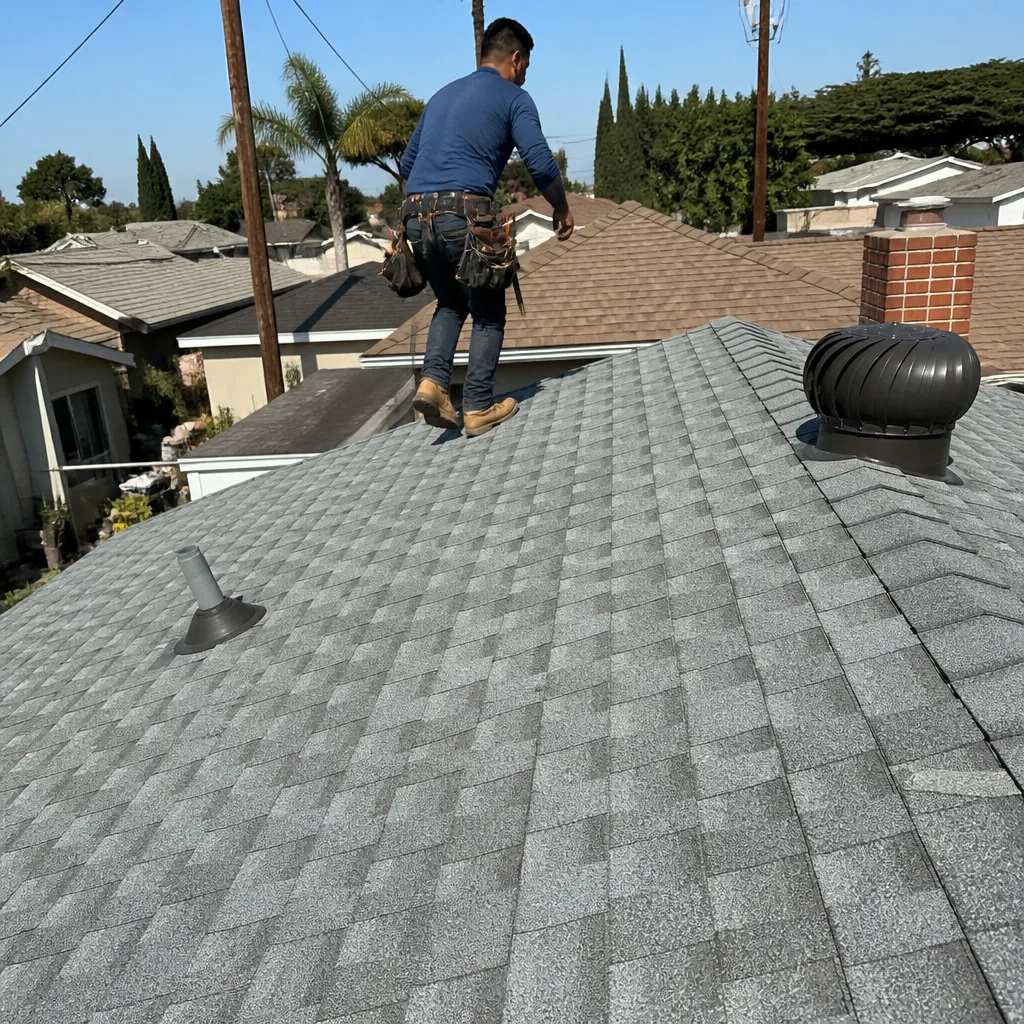 After
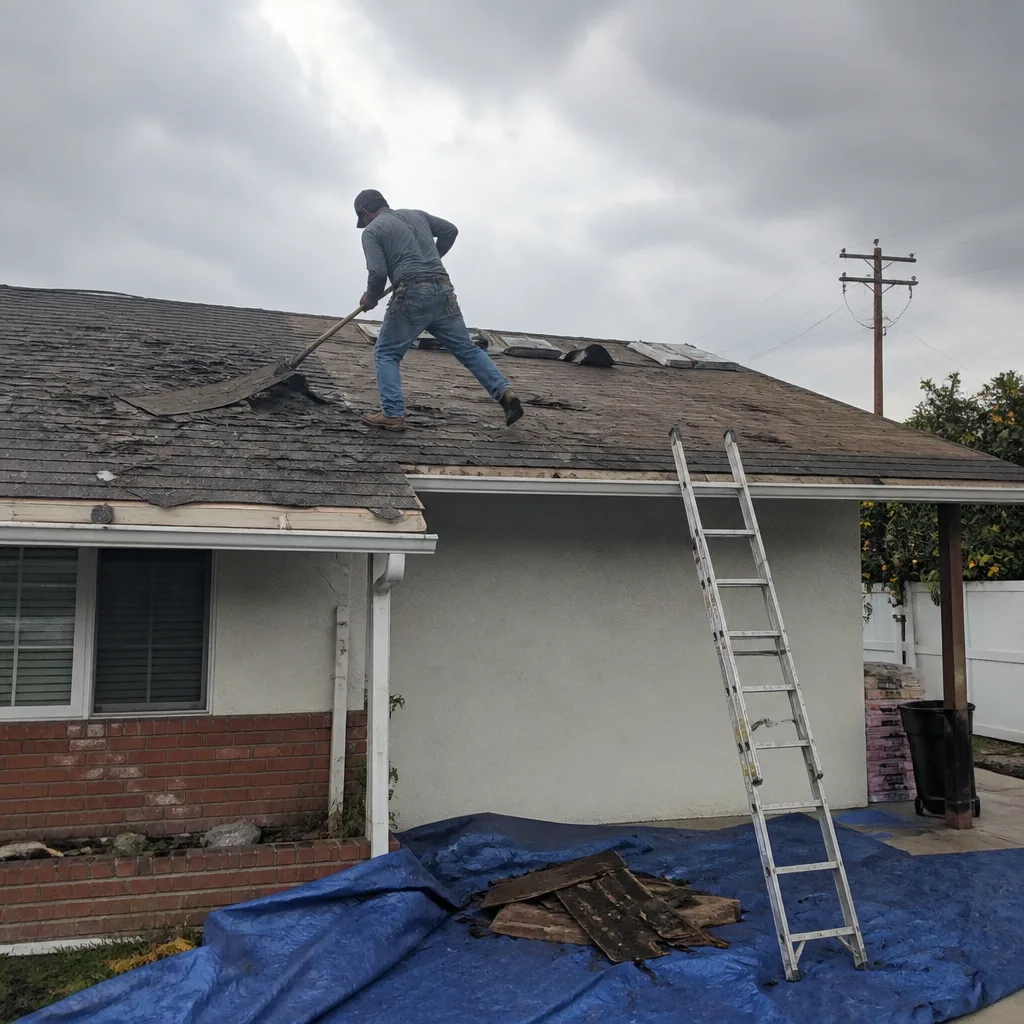 Before
 After